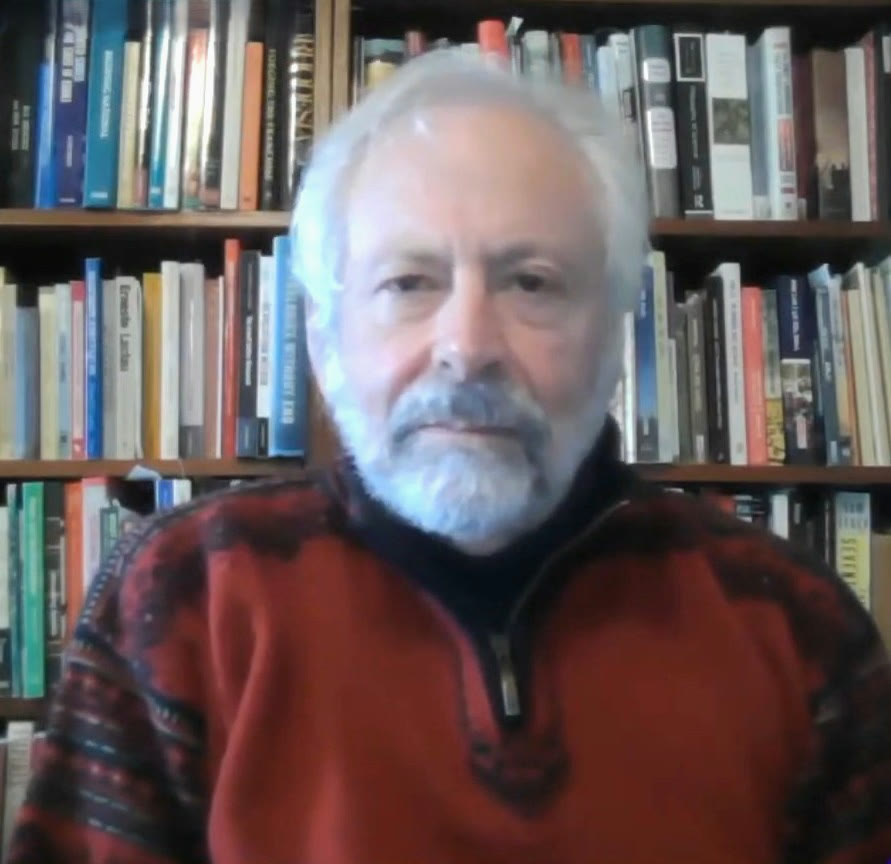
Journalist Eli Clifton and Ian Lustick, a professor emeritus at the University of Pennsylvania, have published a book examining how the pro-Israel lobby influences U.S. foreign policy. The book, titled The Israel Lobby: America in the Grip of a Foreign Power, was published in August by Atria/One Signal Publishers.
Foreign-policy researcher Clifton is among the founders of the Quincy Institute. Lustick, a former University of Pennsylvania professor, has worked on the Israeli-Palestinian issue and was among the founders of the Association for Israel Studies.
The authors argue that the lobby’s influence, ranging from campaign financing to congressional activity, creates political, financial and security-related costs for Washington. In the book, the “pro-Israel lobby” is defined as organizations, groups and individuals from Jewish, Christian and other communities who seek to align U.S. policies with Israel’s interests.
Figures on U.S. aid
Clifton and Lustick reject equating the structure with American Jews. The authors say it is misleading to claim that the lobby’s political goals reflect the views of all Jews in the United States.
The book states that Israel has been one of the largest recipients of U.S. aid since the 1970s and has received approximately one-quarter of the U.S. military aid provided to other countries. It says that loans and grants from 1948 to 2024 exceeded $300 billion when adjusted for inflation, surpassing the $179 billion in aid provided to Egypt.
The authors also argue that at least $16.3 billion in military aid was provided to Israel after October 7, 2023. Calling the pro-Israel lobby one of the most influential foreign-policy lobbies in U.S. history, Clifton and Lustick describe the American Israel Public Affairs Committee as a major power center that acts like a representative of a foreign power.
Congress, donors and elections
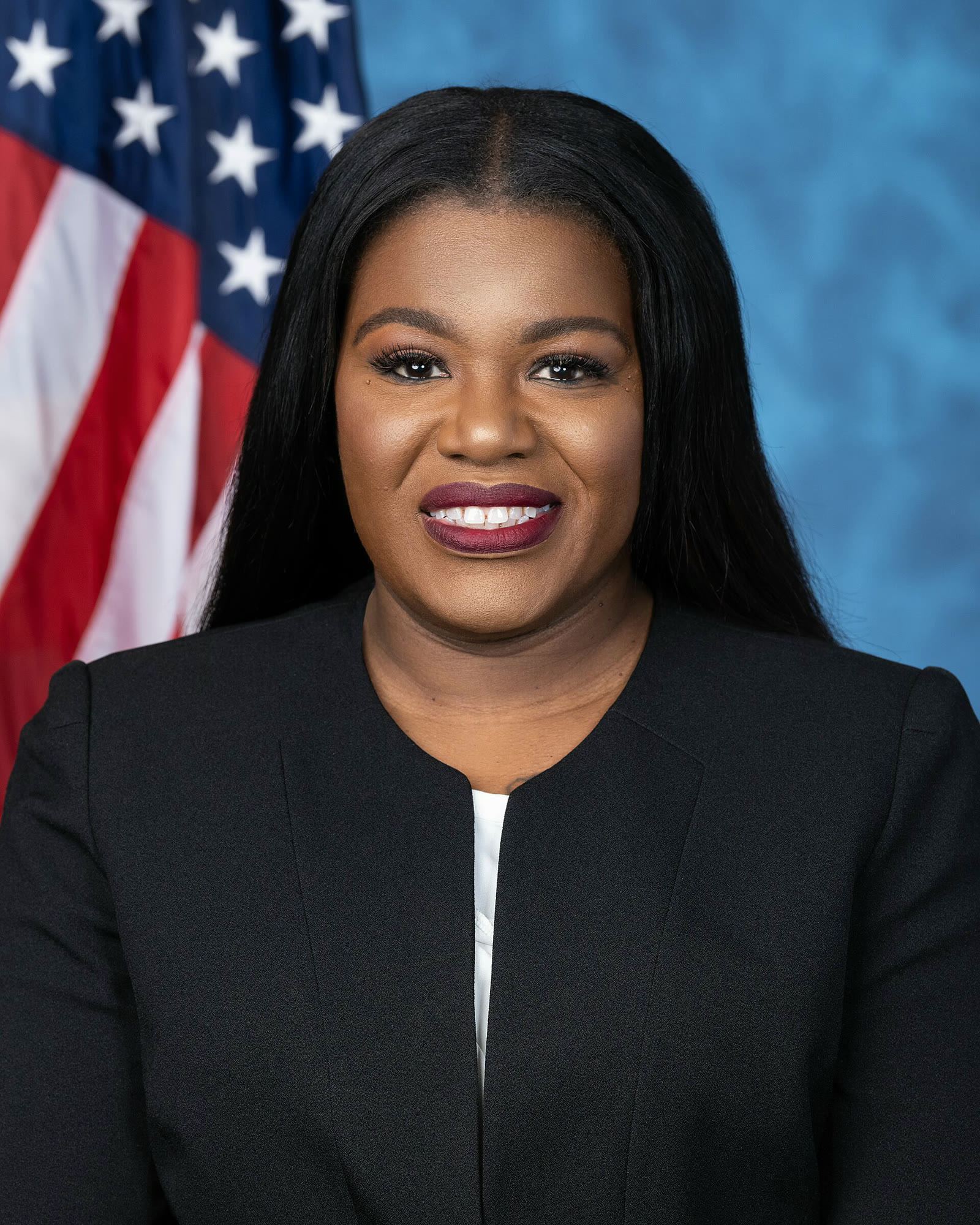
According to the book, organizations linked to Israel spent $45 million on House of Representatives and Senate elections in 2024. The authors argue that a significant portion of this money went to campaigns against Democratic Representatives Cori Bush and Jamaal Bowman, who called for a ceasefire in Gaza.
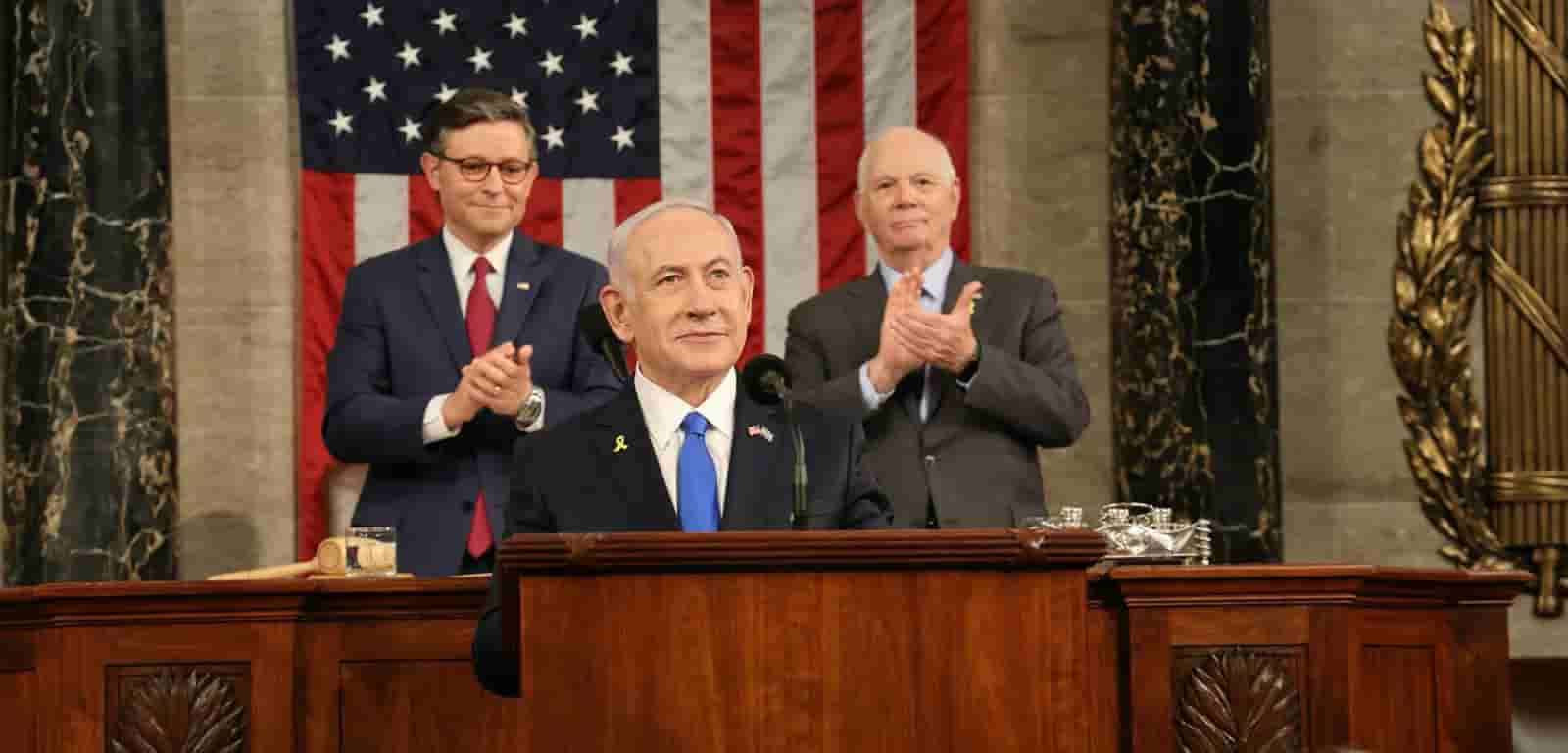
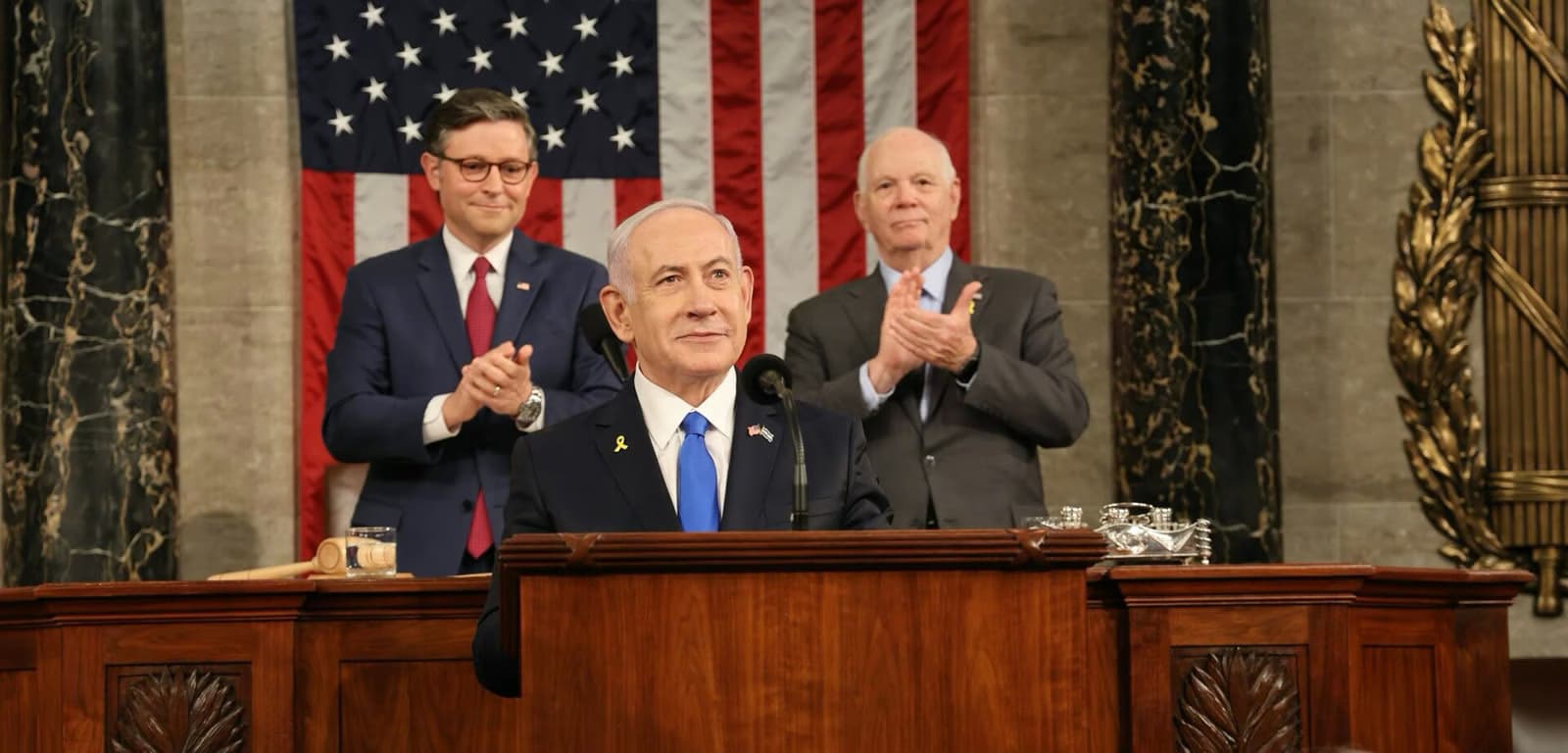
The book states that a speech by Israeli Prime Minister Benjamin Netanyahu before the U.S. Congress in 2024 was interrupted by applause 74 times, with members of Congress standing during 53 of those instances. The authors also recount that Netanyahu said in 2001, while meeting with Israeli right-wing activists, that the United States was easy to influence.
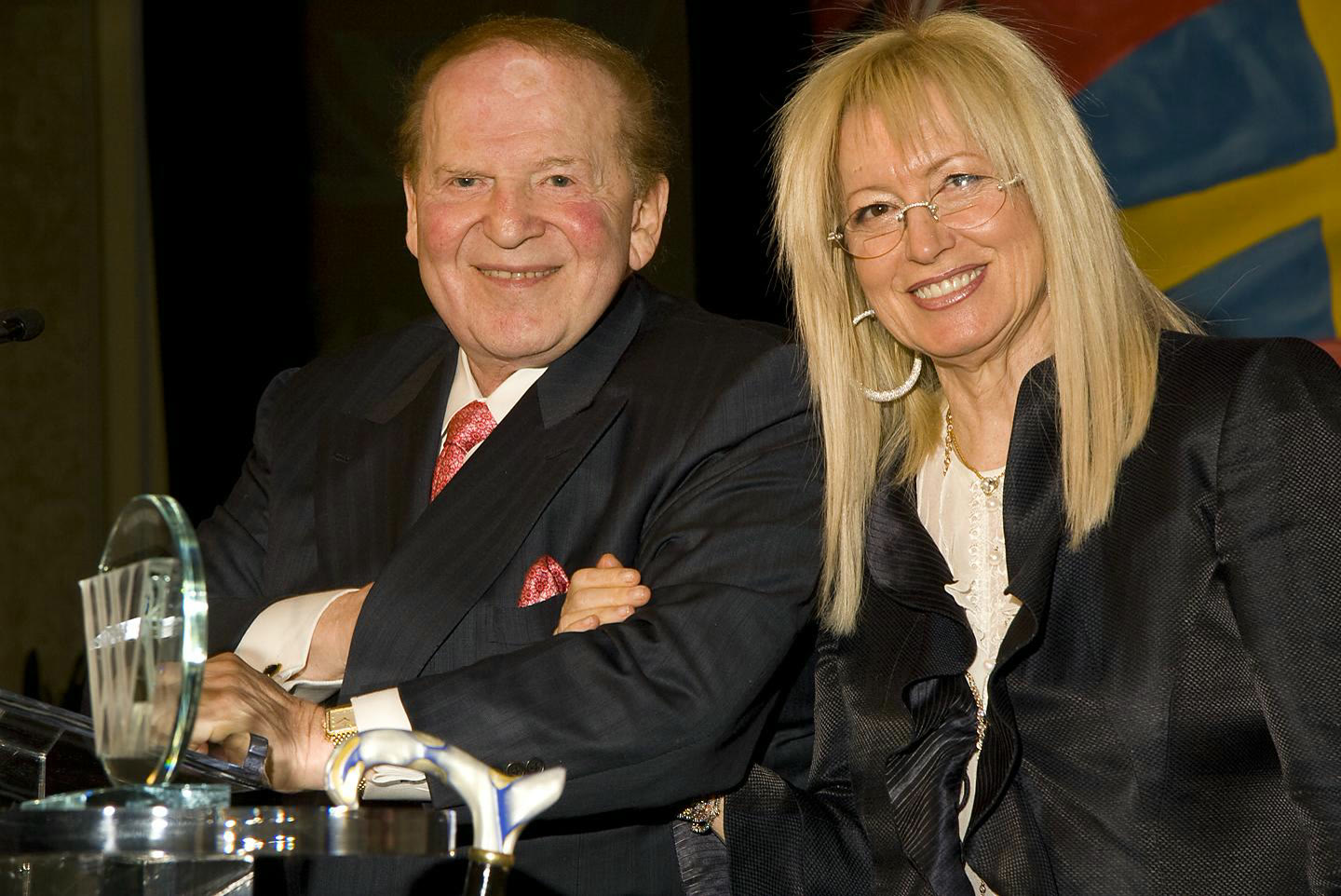
Clifton and Lustick write that, following the Supreme Court’s 2010 ruling in Citizens United and regulations expanding the scope of super political action committees, some billionaires who openly support Israel became influential in campaign financing. According to the book, the disclosed political contributions of nine donors have exceeded $1.7 billion since 2012; Sheldon and Miriam Adelson ranked first with approximately $700 million.
The definition of antisemitism and universities
The book argues that the International Holocaust Remembrance Alliance’s definition of antisemitism can be used to restrict criticism of Israel. The authors contend that the alliance’s “working definition” risks limiting freedom of expression.
Clifton and Lustick also claim that the Anti-Defamation League included some anti-Zionist statements in its antisemitism statistics after October 7, 2023. The book states that the average number of incidents recorded in 2023-2024 rose approximately threefold compared with 2021-2022, and that changes in the recording criteria contributed to the increase.
The authors claim that the Trump administration launched more than 60 investigations at universities over allegations of antisemitism during the first nine months of 2025. Clifton and Lustick state that higher-education institutions’ funding was reduced by approximately $11 billion during the first four months of the same period, and cite the detention of Mahmoud Khalil, one of the leaders of pro-Palestinian protests at Columbia University, by U.S. Immigration and Customs Enforcement.
BDS, the Mavi Marmara and the war with Iran
Clifton and Lustick argue that, following Israel’s 2010 attack on the Mavi Marmara, a ship carrying humanitarian aid to Gaza, the Israeli government began viewing the Boycott, Divestment and Sanctions movement as a more serious threat. According to the authors, 35 U.S. states passed laws targeting BDS from the end of 2015 through the middle of 2025.
The book argues that the Israeli government allocated resources to combat BDS, that the issue was addressed at the ministerial level and that Israeli security agencies were also involved in the process.
The authors also assess U.S. President Donald Trump’s launch of a war with Iran in February 2026. The book claims that the attack on Iran in June 2025 and the war in 2026 were initiated, planned and persistently demanded by Israel and Benjamin Netanyahu, who served as prime minister for many years. It also claims that the war’s daily cost at the beginning of March 2026 was $1 billion.
Changing U.S. public opinion
According to a poll conducted in October 2025, 41% of Americans supported reducing military aid to Israel, 24% supported keeping aid at its current level and 13% supported increasing it. A Pew Research Center poll published the same month found that 59% of Americans viewed the Israeli government negatively.
Clifton and Lustick concluded that this shift in public opinion was making it more difficult for the pro-Israel lobby to exert influence.