- BIST10010,760-3.64%
- USD49.79+0.05%
- EUR55.52-0.41%
- GOLD3,898.40-3.30%
- INTEREST36.00%-1.00
- BITCOIN77,091-0.90%
- October 30, 202622°
- BIST10010,760-3.64%
- USD49.79+0.05%
- EUR55.52-0.41%
- GOLD3,898.40-3.30%
- INTEREST36.00%-1.00
- BITCOIN77,091-0.90%
- October 30, 202622°
Clocks fall back an hour Sunday across most of the U.S. and Canada
Daylight saving time ends at 2 a.m. local time on Sunday, Nov. 1, when clocks move back to 1 a.m. Hawaii and most of Arizona do not change, and several Canadian provinces, including Alberta and Manitoba, are ending seasonal time changes.
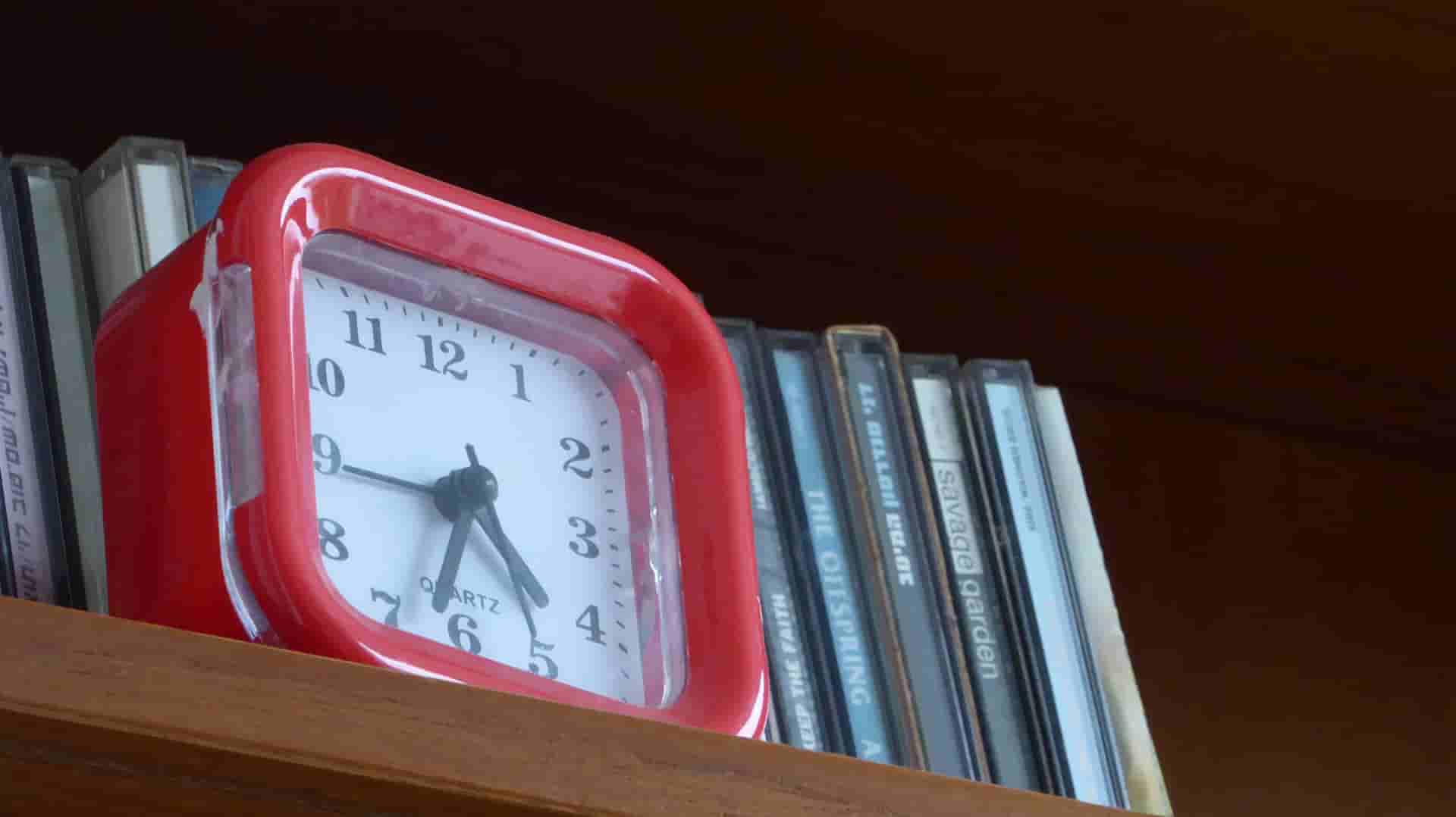
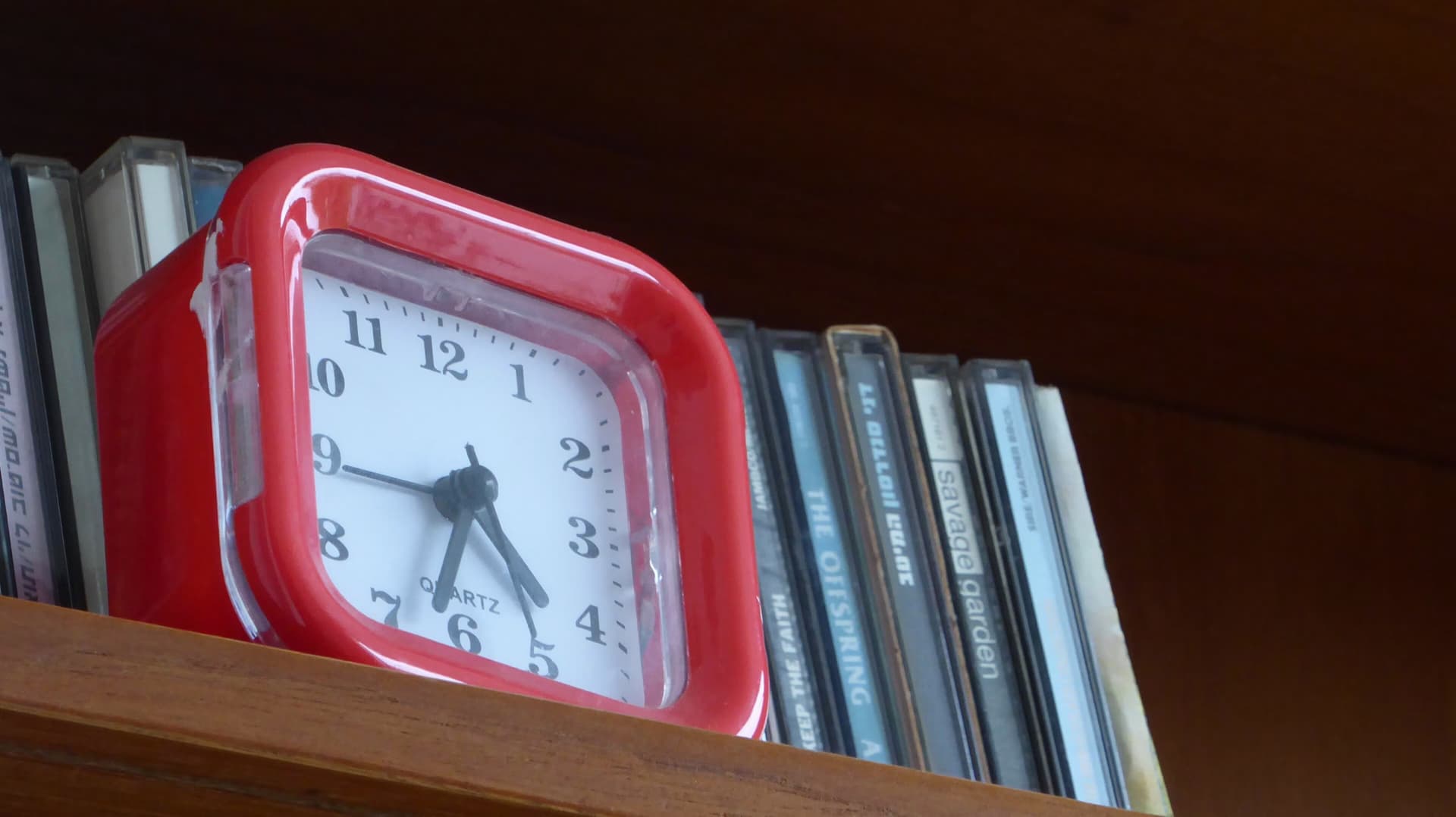
Daylight saving time ends this weekend. At 2 a.m. local time on Sunday, Nov. 1, clocks in most of the United States will move back one hour to 1 a.m., giving people an extra hour of sleep.
Most smartphones and computers will update automatically, but oven clocks, car clocks and older wall clocks have to be changed by hand. Many people set them back before going to bed on Saturday night.
Hawaii and most of Arizona stay on standard time all year and will not change their clocks. The same applies to Puerto Rico, the U.S. Virgin Islands, Guam, American Samoa and the Northern Mariana Islands.

In Canada, Ontario, Quebec and the Atlantic provinces will also fall back at 2 a.m. on Sunday. Saskatchewan and Yukon do not change their clocks. Alberta, Manitoba and most of British Columbia have announced an end to seasonal time changes, so clocks there are not set to fall back this year.
After the change, evenings will get dark about an hour earlier.
Daylight saving time will return on Sunday, March 14, 2027, when clocks spring forward one hour at 2 a.m.
Have a story, event or announcement of your own?Send us your news on WhatsApp
Spotted an error in this story?Report it on WhatsApp
Share on all social platforms
Sponsored Ads
Featured Listings
Loading featured properties...
Stay Updated with Ally Daily
Subscribe to be informed about special news, developments and announcements. We will keep you informed.
By signing up, you agree to our Privacy Policy