The impact of the Trump administration's immigration policies on U.S. military personnel, their families and veterans has come under congressional scrutiny.
More than 60 Democratic members of Congress have launched a federal review of the administration's detention and deportation practices involving military personnel and their family members.
In letters sent to the Department of Homeland Security (DHS), Department of Defense (Pentagon) and Department of Veterans Affairs (VA), lawmakers requested detailed information about how federal agencies coordinate immigration cases involving service members and their relatives.
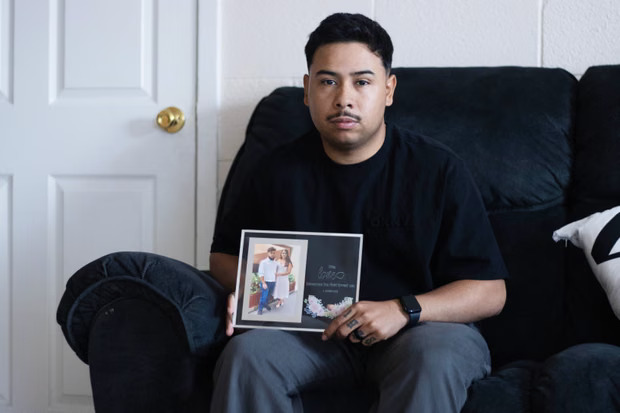
More Than 50 Military Family Members Detained
The congressional action follows an extensive investigation by the Associated Press.
According to the AP investigation, U.S. immigration authorities have detained more than 50 spouses or parents of active-duty service members during President Donald Trump's second term.
At least six people identified in the investigation have been deported.
Some military family members were reportedly detained while pursuing official immigration procedures intended to legalize their status or while seeking protections available to certain military families.

Congress Seeks Answers From Federal Agencies
A key focus of the congressional review is the level of coordination between the Pentagon and the Department of Homeland Security.
Lawmakers are seeking information about what data the Defense Department shares with DHS in immigration cases involving military personnel and their families, and how a person's connection to the U.S. military is considered when detention or deportation decisions are made.
Members of Congress are also asking federal agencies to assess the potential impact of these enforcement practices on military morale and operational readiness.

Cases Have Affected Service Members' Duties
The AP investigation found that the detention of family members has directly affected the responsibilities of some active-duty service members.
In some cases, service members reportedly had to take leave to care for their children after a spouse was detained or to deal with immigration proceedings involving family members. Other cases reportedly disrupted deployment or duty plans.
Lawmakers therefore argue that the issue extends beyond immigration enforcement and could have broader consequences for military morale and readiness.

"Parole in Place" at Center of Debate
One of the major issues in the debate is the immigration policy known as Military Parole in Place.
Under certain circumstances, the program allows undocumented immediate family members of active-duty service members, veterans and some former service members to seek immigration benefits without first having to leave the United States.
For years, both Republican and Democratic administrations have provided certain immigration considerations and protections to military families.
The AP investigation, however, indicates that the approach has shifted significantly during Trump's second term.
Some people were reportedly detained even while attempting to pursue immigration relief available to military families.
Deportation of Veterans Also Under Scrutiny
The congressional review is not limited to relatives of active-duty service members.
The immigration status and deportation of some noncitizen veterans who previously served in the U.S. military have also been the subject of longstanding debate in Washington.
Lawmakers are seeking clarification on whether federal agencies adequately identify a person's military service before deportation proceedings and how veteran status is considered during immigration enforcement decisions.
Administration Says Military Ties Do Not Provide Automatic Exemption
The Trump administration maintains that serving in the U.S. military — or being related to an active-duty service member — does not automatically exempt an individual from federal immigration law.
The Department of Homeland Security has argued that a connection to the military does not provide blanket immunity from immigration enforcement.
Democratic lawmakers, however, contend that the current approach conflicts with longstanding policies intended to provide special consideration to people serving in the U.S. Armed Forces and their families.
Promises Made to Military Families Questioned
Another issue raised by lawmakers involves immigration benefits promoted during military recruitment.
According to the AP investigation, potential immigration advantages associated with military service continue to be presented as part of the recruitment process.
Lawmakers argue that this creates a significant contradiction: immigration benefits connected to military service are promoted to recruits while relatives of active-duty personnel may simultaneously face detention or deportation.
As part of the congressional review, DHS, the Pentagon and the Department of Veterans Affairs are being asked to provide more detailed information about immigration cases involving military personnel, veterans and their families.
The outcome of the review could have implications not only for the Trump administration's immigration enforcement policies but also for the future of immigration protections and special considerations historically extended to U.S. military families.