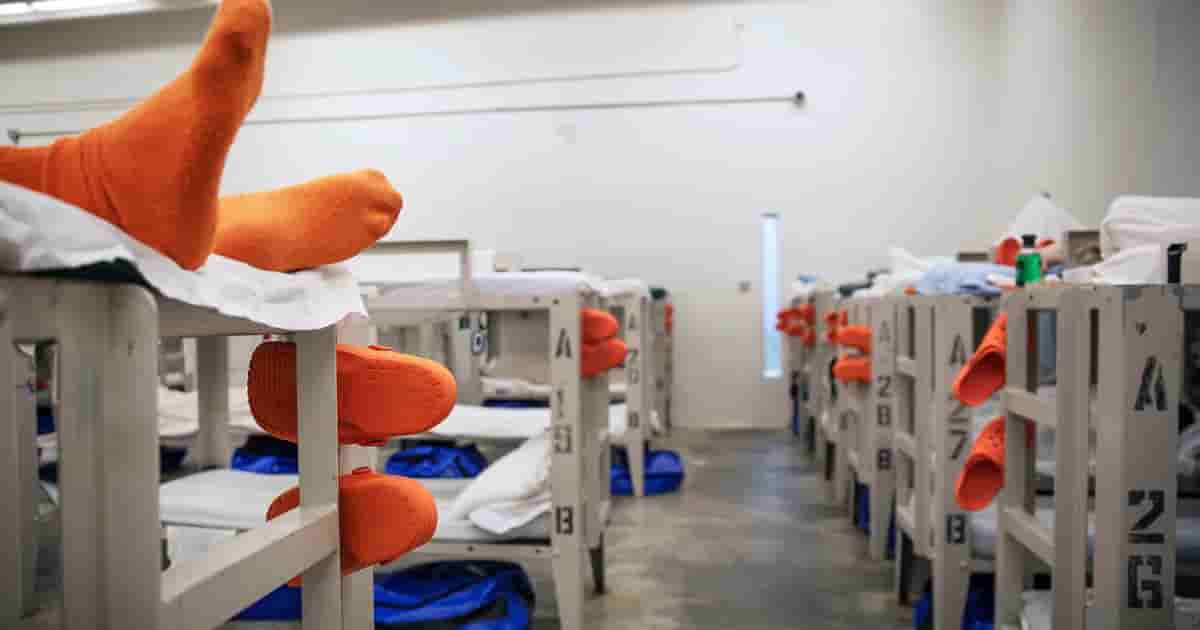
A prolonged breakdown in the federal payment system for medical services provided to people in U.S. immigration custody is raising new concerns about access to health care at Immigration and Customs Enforcement (ICE) detention facilities.
Newly released federal records show that the system traditionally used to process payments for outside medical treatment was disrupted after the Department of Veterans Affairs (VA) ended its longstanding role in handling medical claims for ICE and Customs and Border Protection (CBP).
For years, the VA's Financial Services Center processed claims for medical services that could not be provided inside immigration detention facilities. Detainees requiring specialized or emergency treatment could be referred to hospitals, clinics, pharmacies, dentists and other outside providers, with the federal government responsible for covering the cost.
That system began to unravel after the VA notified ICE in August 2025 that it planned to terminate the arrangement and redirect resources toward veterans and other core programs.
Medical claims processing under the previous system stopped in October 2025.
More Than 233,000 Medical Claims
Records obtained through public records requests provide a detailed picture of the scale of medical care that depended on the payment system before it was disrupted.
Between January and early October 2025, the VA processed 233,772 medical, dental and pharmacy claims on behalf of ICE's Health Service Corps and CBP.
Those claims totaled more than $96 million.
The records also demonstrate that outside medical providers were treating people in immigration custody for conditions ranging from routine health needs to serious medical emergencies.
Claims included treatment associated with heart attacks, strokes, acute kidney failure, traumatic brain injuries, psychiatric emergencies, infectious diseases, pregnancy-related complications, dehydration, heat stroke and suicide attempts.
The data underscores the importance of outside hospitals and specialists to the broader health care system serving people held in federal immigration custody.
ICE Warned of an "Absolute Emergency"
The potential consequences of losing the VA payment infrastructure were acknowledged by ICE itself.
Federal contracting documents show that ICE described the sudden loss of claims-processing support as an "absolute emergency."
The agency warned that the absence of a functioning payment system could delay critical medical treatment and place the health and lives of people in ICE and CBP custody at risk.
Among the services potentially affected were treatments that detention facilities often cannot provide internally, including dialysis, chemotherapy, specialist treatment and other forms of critical care.
The issue therefore extends beyond unpaid medical bills. If hospitals, doctors and other providers are not reimbursed for treating detainees, continued access to outside medical services could become more difficult.
More Than $110 Million in Replacement Contracts
Following the termination of the VA arrangement, ICE moved to establish a replacement system.
The agency awarded contracts worth more than $110 million to Acentra Health and Ardent to handle medical claims and reimburse outside health care providers.
However, newly released records and contracting information have raised questions about how effectively the replacement system has operated.
American Oversight, which obtained and released the federal records, reported that providers appeared to have gone unpaid for some care delivered from October 2025 onward despite the new contracts.
The VA later resumed processing certain older claims covering services provided through September 30, 2025, while efforts continued to establish a functioning replacement system for newer claims.
Providers Report Unpaid Bills
Evidence has also emerged of the payment disruption affecting individual health care providers.
Records cited by American Oversight show that a rural emergency medical service in Pennsylvania responded to an immigration detention facility dozens of times between October 2025 and June 2026 but reported that it had not received payment for those services.
A separate report examining immigration detention facilities in California found that the interruption in medical claims processing had caused widespread disruption in the provision of appropriate health care.
Reports have also indicated that some medical providers declined to provide services to detainees because previous bills had not been paid.
That raises particular concerns for people requiring treatment that cannot be provided inside detention centers and depends on cooperation with local hospitals and medical specialists.
Detention Population Puts Additional Pressure on Health Care
The payment problems have emerged at the same time that the number of people held in immigration detention has increased substantially.
The expansion has placed additional pressure on medical staff and infrastructure responsible for providing health care inside detention centers, while also increasing demand for treatment from outside medical providers.
ICE detention standards require medical and mental health screening and access to necessary treatment. When appropriate care cannot be provided inside a facility, detainees may need to be transferred to hospitals or specialists.
A breakdown in the system used to reimburse those providers therefore has the potential to affect an essential part of the detention health care network.

Broader Scrutiny of Medical Care in ICE Custody
The payment crisis comes amid broader scrutiny of medical conditions inside U.S. immigration detention facilities.
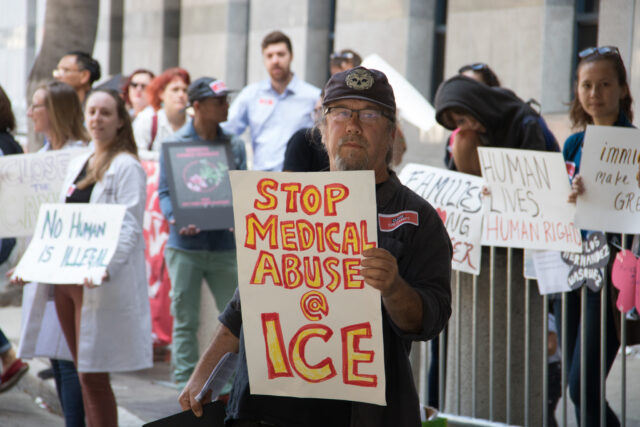
Members of Congress, civil rights organizations and medical groups have raised concerns about delays in treatment, staffing levels and access to outside specialists as the country's immigration detention system has expanded.
Recent reports examining detention facilities have documented cases in which detainees allegedly faced delays or difficulties obtaining medical treatment. Federal authorities, meanwhile, maintain that people in ICE custody receive necessary medical care and that detention facilities are subject to established health and safety standards.
The newly released payment records do not establish that the claims-processing breakdown directly caused individual deaths or specific medical outcomes.
They do, however, document the scale of the health care system affected by the disruption and show that ICE itself warned that losing claims-processing support could delay critical treatment and potentially lead to serious medical consequences.
With hundreds of thousands of medical claims historically flowing through the system and outside hospitals remaining an essential part of detainee health care, questions are now growing over whether providers are being reimbursed quickly enough to ensure uninterrupted access to treatment for people held in federal immigration custody.