- BIST10011,722-2.89%
- USD49.45+0.05%
- EUR55.62+0.37%
- GOLD4,181.10+0.26%
- INTEREST37.00%-1.00
- BITCOIN81,565+0.08%
- October 17, 202611°
- BIST10011,722-2.89%
- USD49.45+0.05%
- EUR55.62+0.37%
- GOLD4,181.10+0.26%
- INTEREST37.00%-1.00
- BITCOIN81,565+0.08%
- October 17, 202611°
Fed report shows price pressures intensified in some regions
The Fed published the October edition of its Beige Book report assessing the current state of the U.S. economy. The report said economic growth remained limited in most of the 12 Fed districts, while price pressures intensified in some regions.


The Fed published its October Beige Book report on the U.S. economy. The report presented observations on economic activity, consumer spending, prices and labor markets across the 12 Fed districts.
Price pressures intensified in some regions
Prices rose sharply in three districts, moderately in eight and slightly in one. In three of the eight districts where moderate price increases were recorded, pressures stemming from input costs intensified.
Four districts reported that the pace of price increases had accelerated compared with the previous period. Higher oil prices were reflected in reports from all districts, while firms said diesel prices remained elevated and that higher costs from fuel surcharges were being passed through supply chains.

Contacts in multiple districts said other commodities, tariffs and insurance costs continued to sustain price pressures. Some firms also said uncertainty over energy prices and tariffs persisted.
Economic activity remained limited
Economic activity grew moderately in two districts, slightly in three and modestly in four. Three districts saw no significant change.
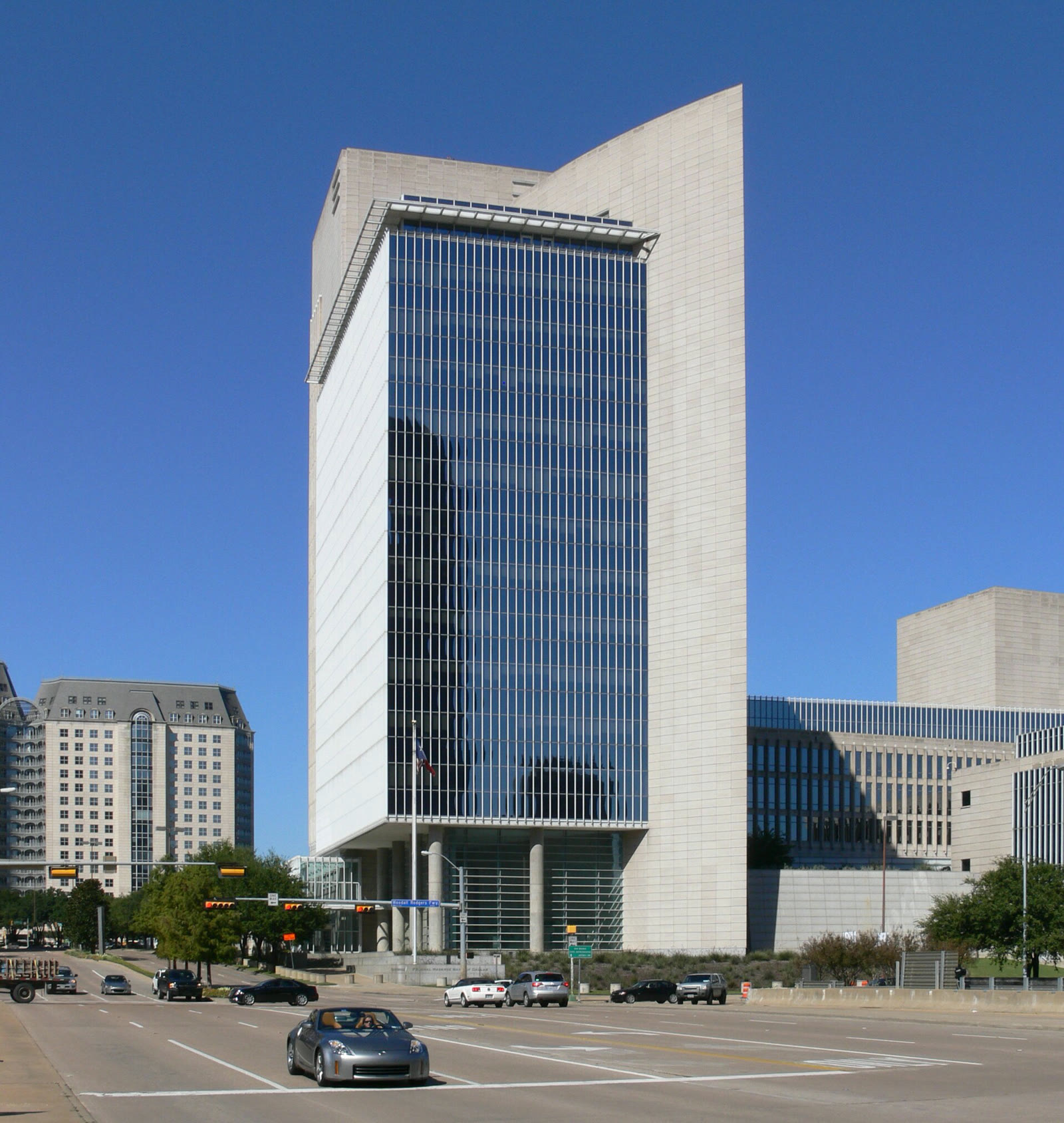
Strong, broad-based performance in manufacturing supported moderate growth in the Dallas district. Manufacturing companies in six other districts also recorded growth ranging from slight to moderate.
Very little or no growth was recorded in the manufacturing sector in the remaining five districts. Assessments of other sectors also generally indicated that growth remained very limited.
Consumer spending changed very little or remained broadly stable in most districts. Higher-income households supported spending in more than half of the districts.
While retail sales remained strong in Dallas, lower-income consumers were more cautious about spending. Companies generally continued to view the economic outlook for the coming months positively, although expectations were affected by ongoing uncertainties.

Labor market changes remained limited
Employment levels changed very little or showed no clear change in most districts. Labor supply was generally considered sufficient to meet demand.
However, difficulties finding workers persisted in specialized occupations, technical fields and skilled trades.
Stay Updated with Ally Daily
Subscribe to be informed about special news, developments and announcements. We will keep you informed.
By signing up, you agree to our Privacy Policy