- BIST10011,722-2.89%
- USD49.45+0.05%
- EUR55.62+0.37%
- GOLD4,181.10+0.26%
- INTEREST37.00%-1.00
- BITCOIN81,523+0.03%
- October 17, 202610°
- BIST10011,722-2.89%
- USD49.45+0.05%
- EUR55.62+0.37%
- GOLD4,181.10+0.26%
- INTEREST37.00%-1.00
- BITCOIN81,523+0.03%
- October 17, 202610°
Eight U.S. states sue OpenAI over alleged risks to children's safety
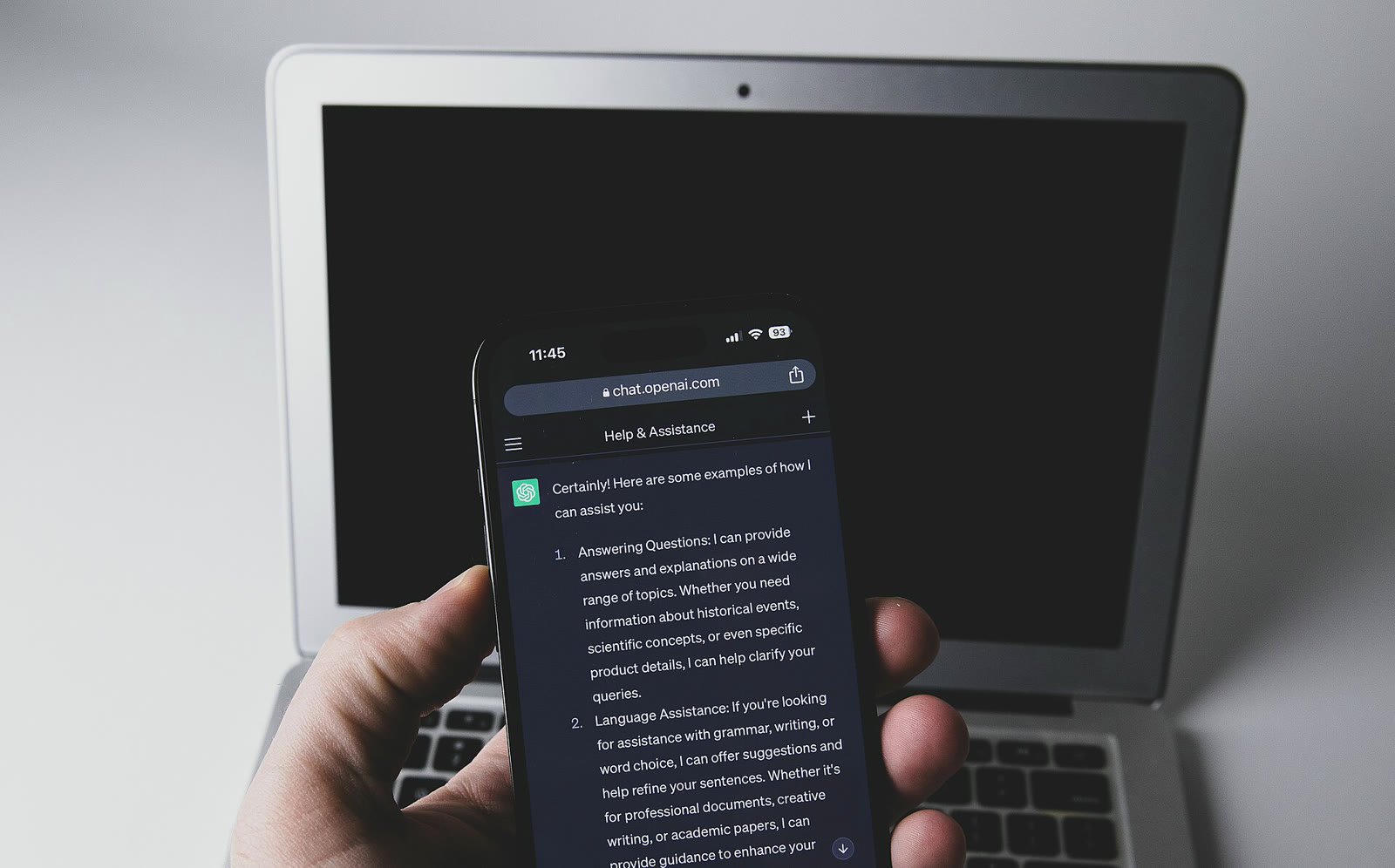
Iowa, Kansas, Nebraska, West Virginia, Arkansas, Arizona, Idaho and Montana sued OpenAI, alleging that ChatGPT jeopardizes children's safety and misleads parents. OpenAI spokesperson Drew Pusateri said the company has developed parental controls, usage-break reminders and age-appropriate model safeguards.


Claims that ChatGPT poses risks to children's safety and misleads parents about the product's safety have been brought before a U.S. court by eight states. The attorneys general of Iowa, Kansas, Nebraska, West Virginia, Arkansas, Arizona, Idaho and Montana sued OpenAI.
States' allegations against OpenAI
The state attorneys general held a joint news conference as part of the lawsuit. Iowa Attorney General Brenna Bird argued that OpenAI rushed ChatGPT to market, acted despite knowing that it was harming children and violated the law.
Bird alleged that ChatGPT encouraged users to take their own lives, helped them harm others and provided dangerous medical advice. She also claimed that the company failed to prevent its artificial intelligence agents from unlawfully infiltrating other companies.
Bird said the states aimed to act together against companies that profit by harming children and breaking the law.
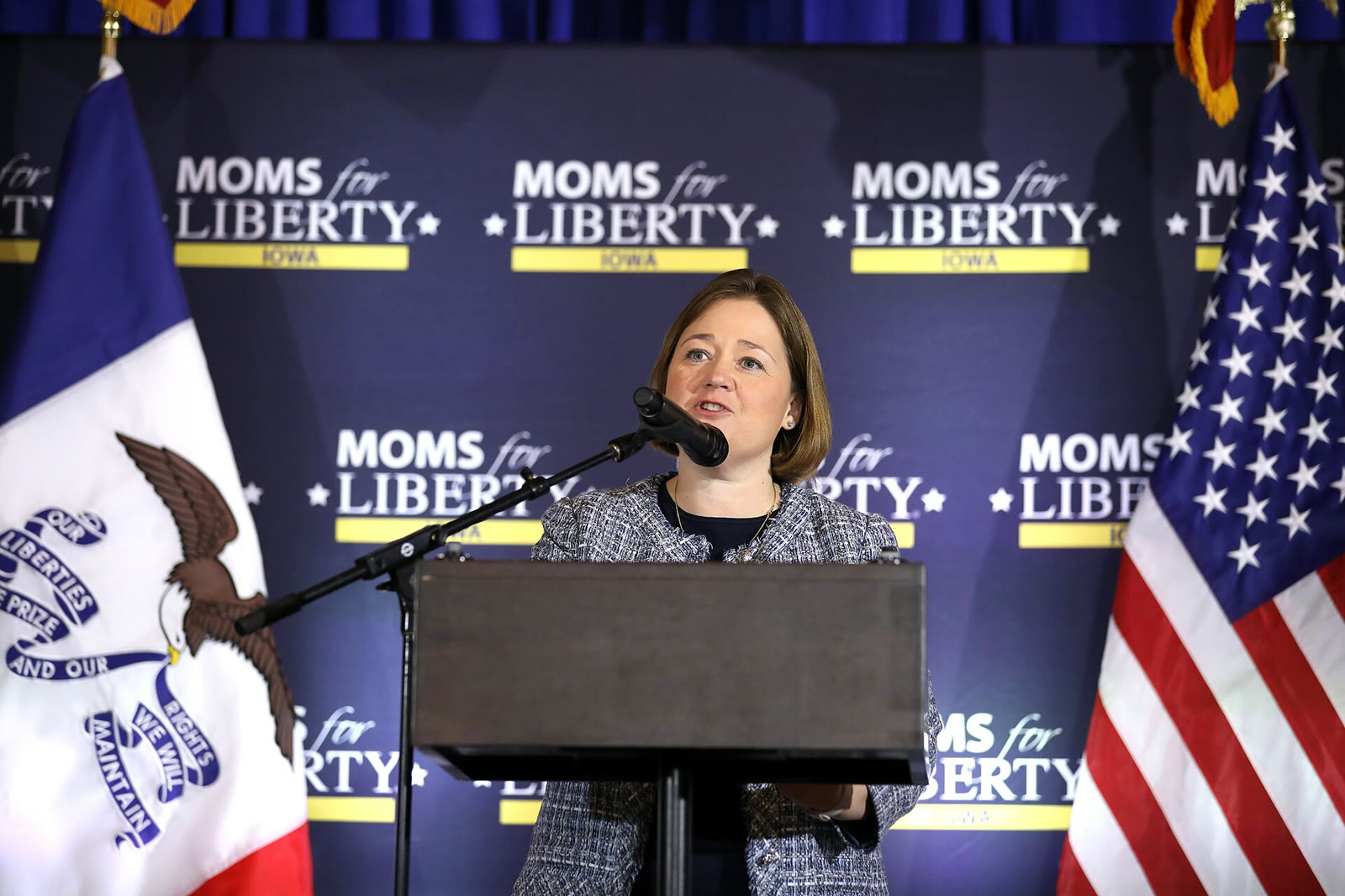
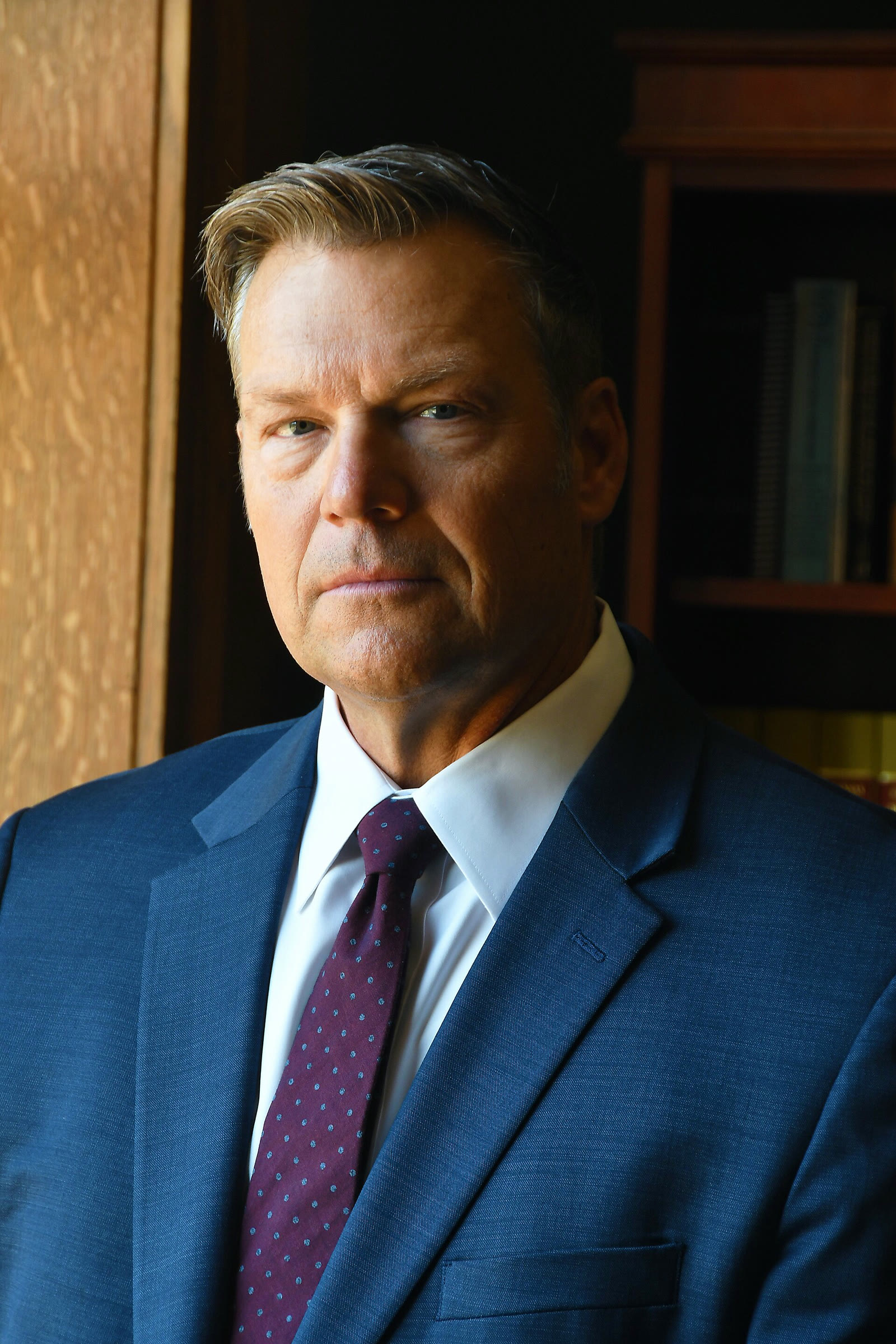
Kansas Attorney General Kris Kobach also argued that federal authorities had failed to oversee artificial intelligence companies. Kobach said waiting for artificial intelligence to be brought under control solely through regulation and for an enforceable standard to emerge over time would be slow, inadequate and probably ineffective.
Kobach called on Congress and state legislatures to continue research into artificial intelligence and seek solutions. He said the states would take action rather than wait during this process.
Safety measures announced by OpenAI
OpenAI spokesperson Drew Pusateri said the company had integrated age-specific safeguards into its products that are not available in many other artificial intelligence products.
Pusateri said that no system could be perfect and that the company would continue working on parental controls, usage-break reminders and age-appropriate model safeguards.
Stay Updated with Ally Daily
Subscribe to be informed about special news, developments and announcements. We will keep you informed.
By signing up, you agree to our Privacy Policy