- BIST10011,722-2.89%
- USD49.45+0.05%
- EUR55.62+0.37%
- GOLD4,181.10+0.26%
- INTEREST37.00%-1.00
- BITCOIN81,509+0.01%
- October 17, 202613°
- BIST10011,722-2.89%
- USD49.45+0.05%
- EUR55.62+0.37%
- GOLD4,181.10+0.26%
- INTEREST37.00%-1.00
- BITCOIN81,509+0.01%
- October 17, 202613°
Gasoline prices push U.S. inflation to 3.7% in September
U.S. consumer prices rose 0.6% month over month in September, pushing annual inflation to 3.7%. The 9.1% increase in gasoline prices accounted for more than half of the monthly rise, while food prices remained unchanged.
Scraper SystemUpdated:
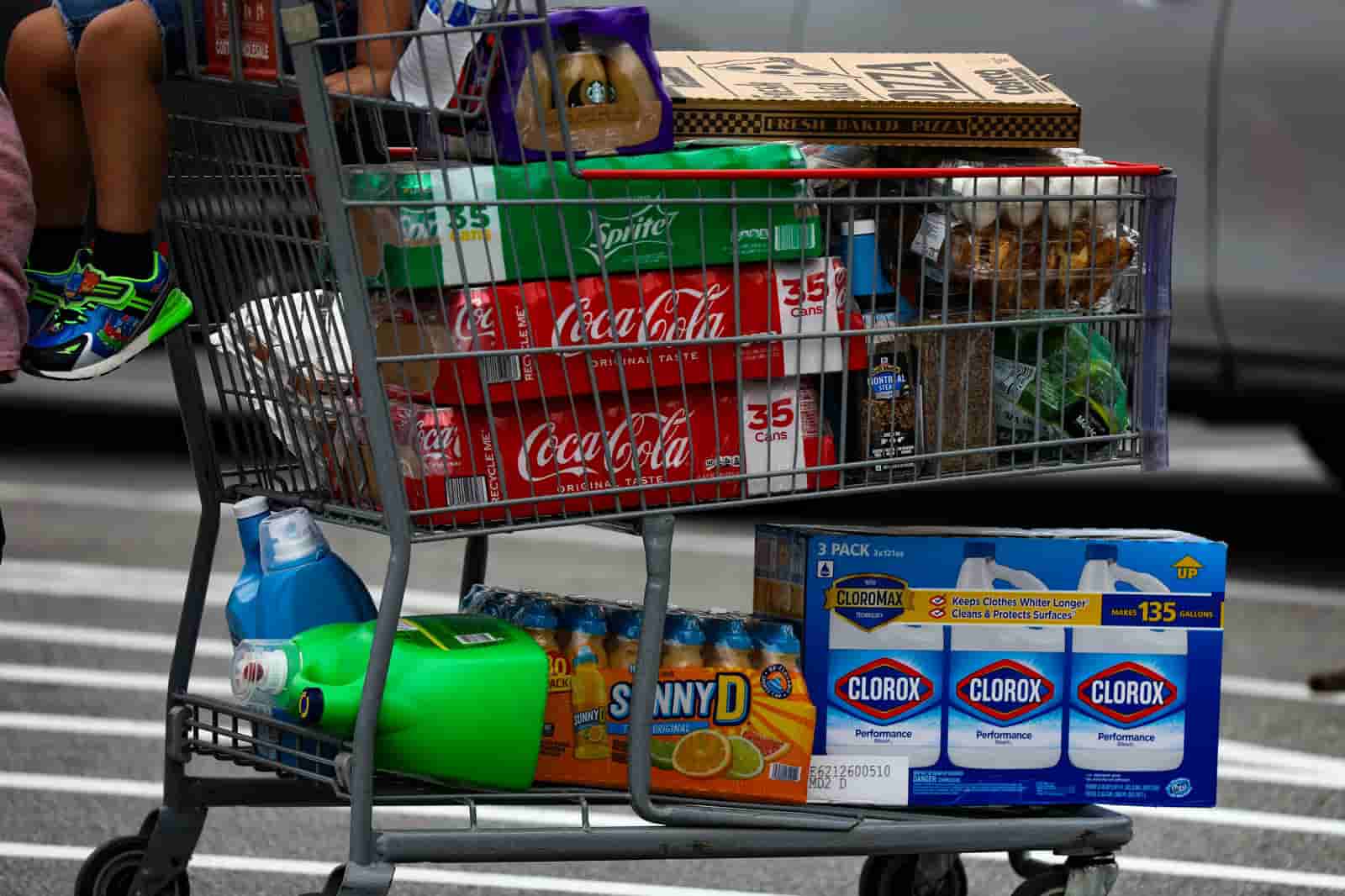
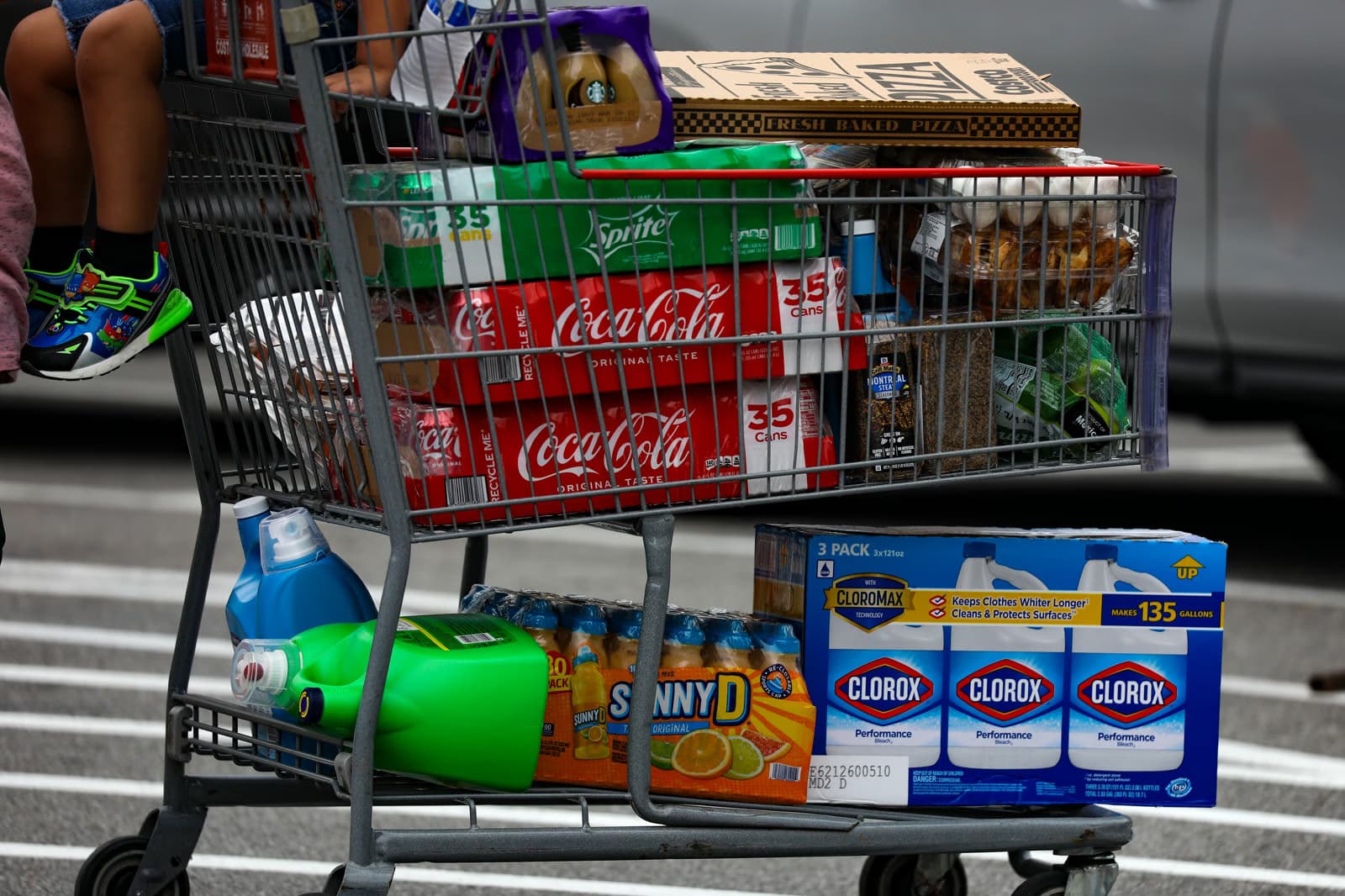
Annual consumer price growth in the U.S. reached 3.7% in September, driven by gasoline prices. Annual inflation, measured at 3.4% in August, exceeded the market expectation of 3.6%.
The Consumer Price Index (CPI) rose 0.6% month over month in September. The monthly increase in the index stood at 0.4% in August.
Fuel prices accelerated the monthly increase
Gasoline prices rose 9.1% in September from the previous month. The increase in gasoline prices therefore accounted for more than half of the monthly rise in overall consumer prices.
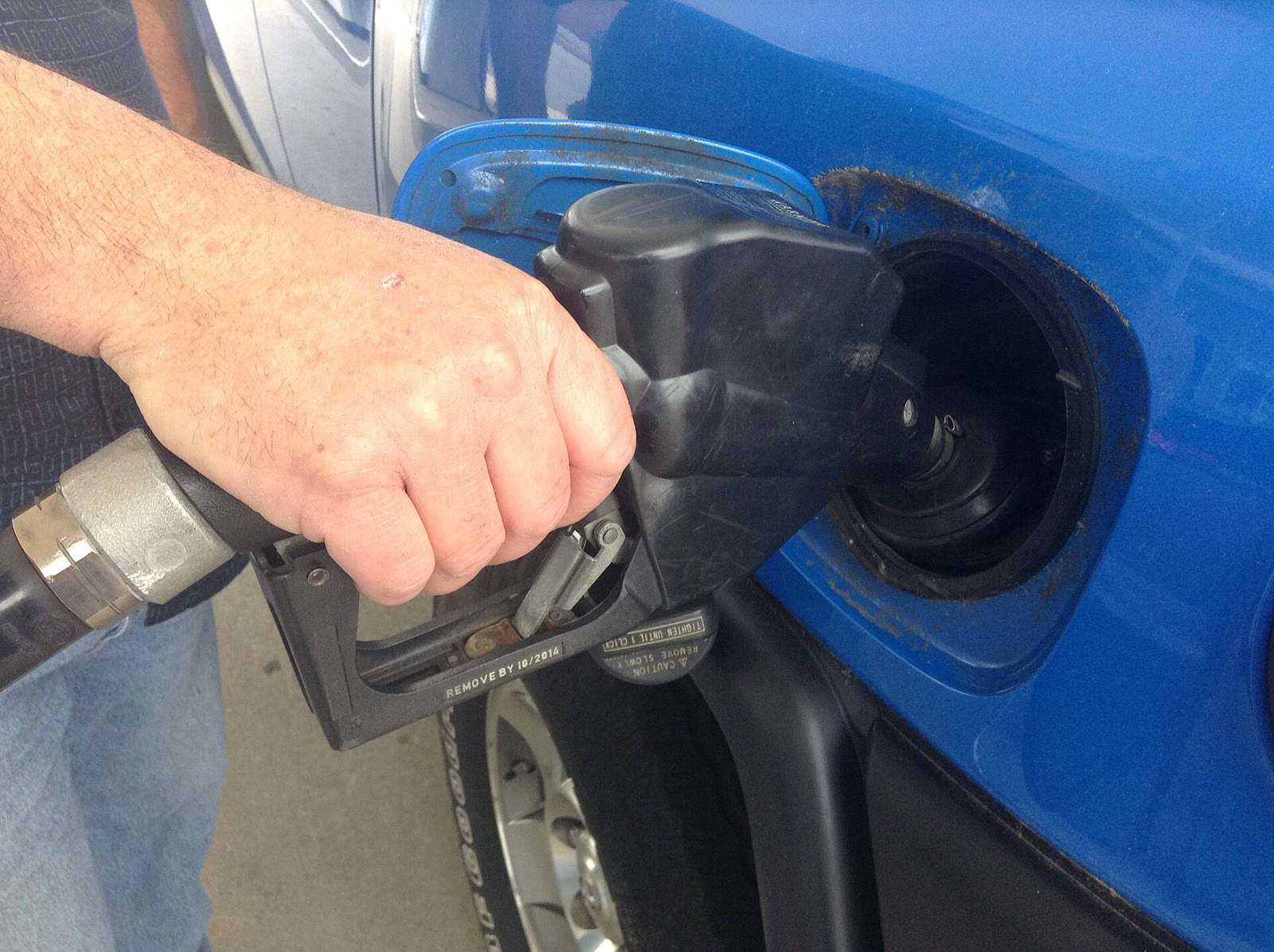
Energy prices rose 5.2% month over month, compared with an increase of 2.1% in August. Shelter costs also rose 0.4% in September, after increasing 0.3% in August.
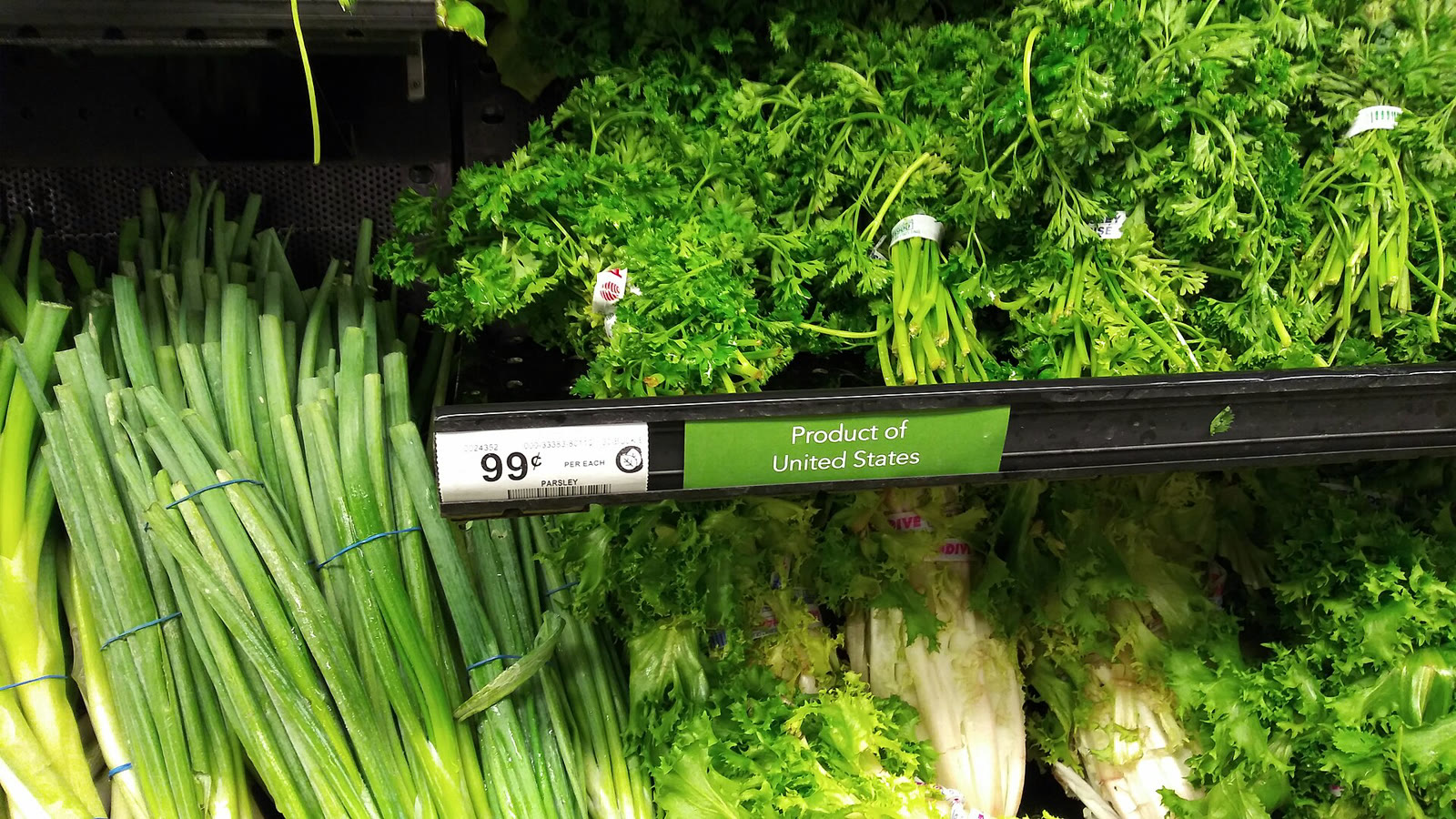
Food prices were unchanged from the previous month. A 0.1% decline in food-at-home prices was offset by a 0.2% increase in the cost of eating out.
Core inflation reaches 2.6% annually
Core inflation, calculated excluding food and energy, rose to 2.6% annually in September from 2.4% in August. Monthly core inflation remained at 0.3%.
Prices increased in September for recreation, used cars and trucks, education, airfares and apparel. Used vehicle prices rose 0.7%, airfares increased 1.2% and recreation spending rose 0.5%. Communication prices, meanwhile, fell 0.2% month over month.
Energy prices rise 20.4% annually
Energy prices rose 20.4% annually. Over the same period, gasoline prices increased 34.2%, while fuel oil prices rose 74.2%.
Electricity prices increased 4.4% annually, while natural gas prices rose 5%. Food prices increased 2.5% annually, and shelter costs rose 3.2%.
Expectations of a Fed rate hike in December strengthen
The September data reinforced expectations that the Fed could keep monetary policy tight for longer and raise rates once more before the end of the year. Markets see a 25-basis-point hike as likely at the Fed’s final meeting of the year in December, while uncertainty persists over the Oct. 27-28 meeting.
Padhraic Garvey, regional head of research for the Americas at ING, said the picture was not strong enough to force the Fed into another hike in October, but that a hike at least in December was likely. Steven Kamin, a senior fellow at the American Enterprise Institute, said the 0.3% rise in core inflation for a second straight month showed that energy costs were feeding into other parts of the economy.
Stay Updated with Ally Daily
Subscribe to be informed about special news, developments and announcements. We will keep you informed.
By signing up, you agree to our Privacy Policy