- BIST10011,722-2.89%
- USD49.45+0.05%
- EUR55.62+0.37%
- GOLD4,181.10+0.26%
- INTEREST37.00%-1.00
- BITCOIN81,509+0.01%
- October 17, 202613°
- BIST10011,722-2.89%
- USD49.45+0.05%
- EUR55.62+0.37%
- GOLD4,181.10+0.26%
- INTEREST37.00%-1.00
- BITCOIN81,509+0.01%
- October 17, 202613°
Glacier loss accelerates in the Himalayas, putting millions at risk
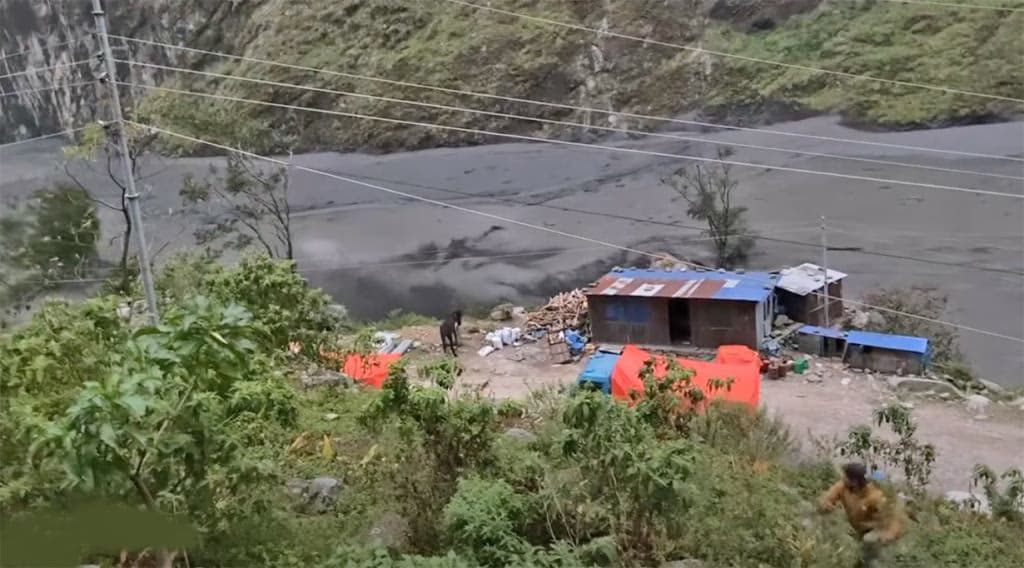
A joint report by Systemiq and India-based Integrated Mountain Initiative found that mass loss from Himalayan glaciers accelerated by 65 percent over the past decade compared with the previous period. More than 1,300 people died in floods in areas of Nepal near the Chinese border on August 26.
Scraper SystemUpdated:


Stay Updated with Ally Daily
Subscribe to be informed about special news, developments and announcements. We will keep you informed.
By signing up, you agree to our Privacy Policy