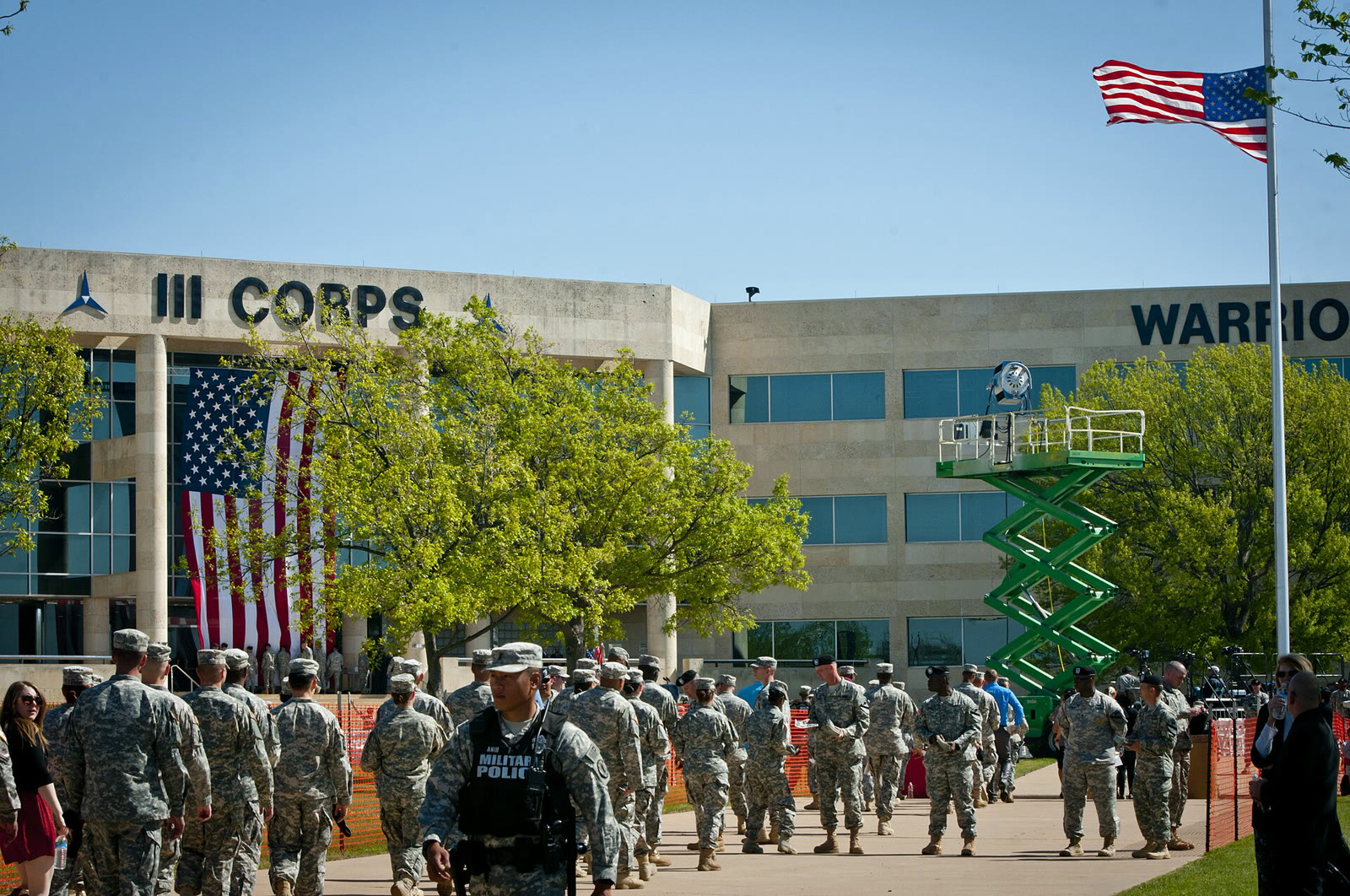
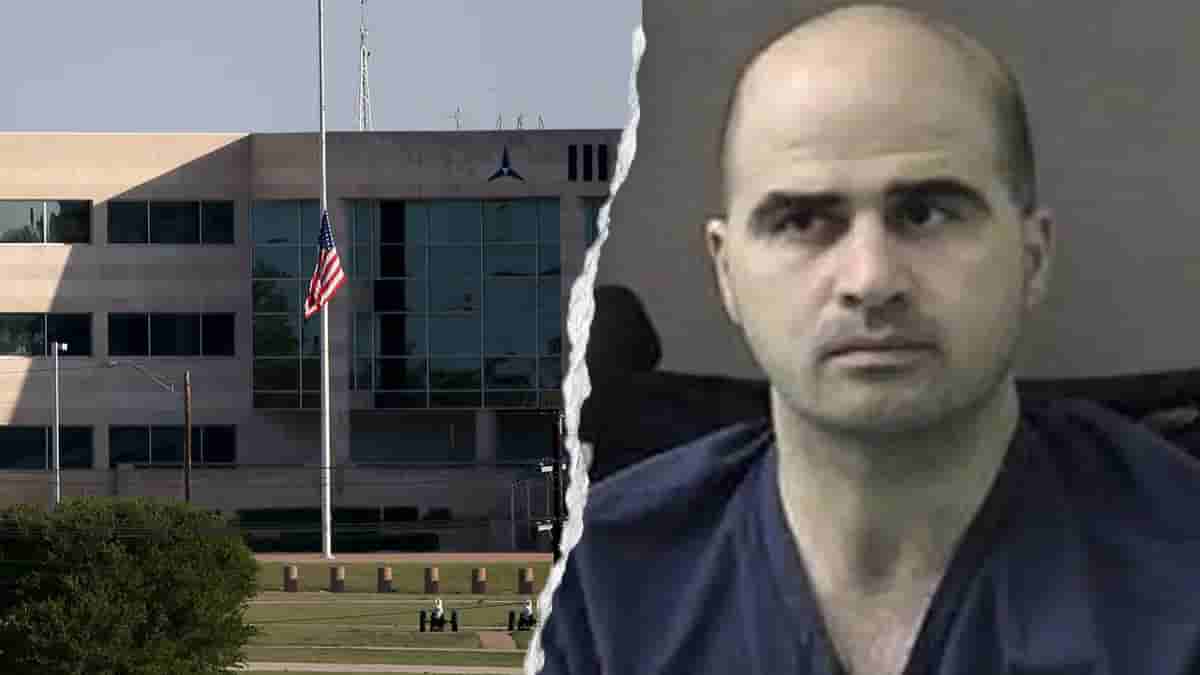
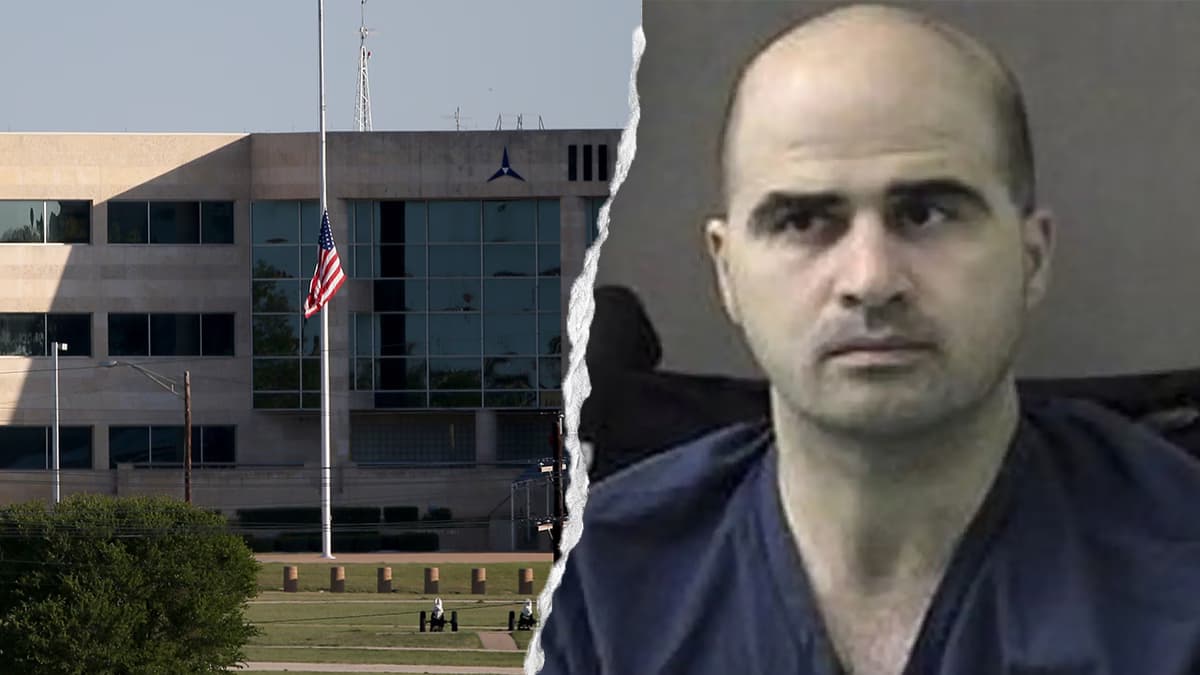
U.S. Defense Secretary Hegseth said people would be able to watch Nidal Hasan’s execution by firing squad. Hasan was convicted of killing 13 people at Fort Hood in Texas in 2009.
Hegseth said during an interview, in response to a question, that they would open the execution to the public. The defense secretary argued that people need to understand that such actions have serious consequences.
Scope and broadcast method of execution remain unclear
No details were provided on who would be allowed to attend the execution. It also remained unclear whether it would be broadcast online or on television, or whether attendance would be limited to certain individuals.
The United States has not held a public execution for approximately 90 years. The last U.S. military execution by firing squad was carried out in 1945, during World War II, when Private Eddie Slovik was executed for desertion in France.
The last public execution in the United States was held in Kentucky in 1936. Rainey Bethea, a Black man convicted of raping a white woman, was hanged in that execution.
Military ruling against Hasan
The U.S. Department of Defense announced on October 5 that U.S. President Donald Trump had approved Nidal Malik Hasan’s execution by firing squad by the military.
Hasan, a former Army psychiatrist, is expected to be executed on December 3. A military jury sentenced Hasan to death over the attack at Fort Hood in Texas in November 2009, in which 13 people were killed and 32 were wounded.
Execution to be livestreamed on Dec. 3
Following Hegseth's remarks, the Pentagon said the execution would be livestreamed. It is scheduled for Dec. 3 at 1 p.m. Central Time at Fort Hood, the same hour the 2009 shooting took place. The platform and viewing arrangements have not been announced.
Pentagon spokesman Sean Parnell said Monday that President Donald Trump had approved the execution. If carried out, Hasan would be the first U.S. service member executed by the military since Army Pvt. John A. Bennett in 1961. Legal experts say livestreaming an execution would be unprecedented and rests on uncertain legal ground.
Backlash: “Barbaric”
The plan drew criticism across the political spectrum. The U.N. human rights office said “the livestreaming of an execution is tantamount to a public execution and would breach the absolute prohibition of torture.” Archbishop Paul S. Coakley, head of the U.S. Conference of Catholic Bishops, called it a “barbaric promotion of a culture of death.”
Some Republicans who support the death sentence also objected. “Hasan should face the death penalty, but making his execution public and streaming it? Beyond disgusting,” said Sen. Thom Tillis. Rep. Austin Scott said: “I absolutely support the sentence of death, but live-streaming executions is what jihadists do. America is better than that.”
Hasan, a U.S.-born former Army psychiatrist, was shot by police during the 2009 attack and is paralyzed from the waist down.