Washington is closely following a suspected plague case in Russia’s Irkutsk region, where a 28-year-old woman employed as a lab technician at Irkutsk’s anti-plague research institute has died in a hospital in the nearby town of Shelekhov.
“We are aware of reports of a fatal case of suspected pneumonic plague in Irkutsk Oblast, Russia. We are monitoring the situation closely with the CDC and our other interagency partners,” a State Department official said.
Washington is “watching and monitoring it closely,” Secretary of State Marco Rubio said. The Department of Health and Human Services said the CDC, too, was keeping close track of developments.
What Moscow and local officials say
According to TASS, Rospotrebnadzor — Russia’s consumer protection and public health regulator — said the technician’s diagnosis was “pneumonia of unknown etiology.” It reported taking special measures over the case and described the sanitary and epidemiological picture in the Irkutsk region, including Irkutsk and Shelekhov, as “stable.”
Alexei Tsydenov, the leader of neighboring Buryatia, raised the possibility of plague. In an Oct. 3 Telegram post, he said the woman had died “possibly from the plague” and stressed that Buryatia had no plague outbreaks.
On Oct. 5, Kremlin spokesman Dmitry Peskov directed attention to the watchdog: “In this case, the lead agency competent in this field is Rospotrebnadzor. And it is Rospotrebnadzor’s official statements that should guide us, rather than listening to various rumors and various arguments.”

Igor Kobzev, governor of the Irkutsk region, urged residents to stay calm and reported an extraordinary session of the regional anti-epidemic commission with the participation of Russia’s chief state sanitary doctor. In a separate Telegram message, Kobzev said conditions were stable and that over the past several days no additional institute employees had turned to doctors.
Isolation and hospital restrictions
Citing unofficial information, regional outlet Liudi Baikala reported that roughly 200 people were being monitored at the Shelekhov hospital that admitted the technician, and that a quarantine had been imposed at one or more of the town’s maternity hospitals.
RFE/RL’s Siberia.Realities, quoting sources, put the number of isolated institute staff at more than 60. Two Irkutsk hospitals and a maternity hospital closed their doors to visitors, and patients were barred from leaving for as long as six days, the sources said.

Media reports have also cited a claim that the technician broke a test tube containing plague bacteria by accident. Officials have not established how the infection occurred.
Near the lab, the Irkutsk Aluminum Plant told workers to put on masks as a precaution, and plant director Artem Fominykh appealed for calm, noting that “many rumors and contradictory reports are circulating.” Gennady Onishchenko, who once led Rospotrebnadzor, said it was “most likely not plague, but even if it is confirmed, this disease will not spread.”
What is pneumonic plague?
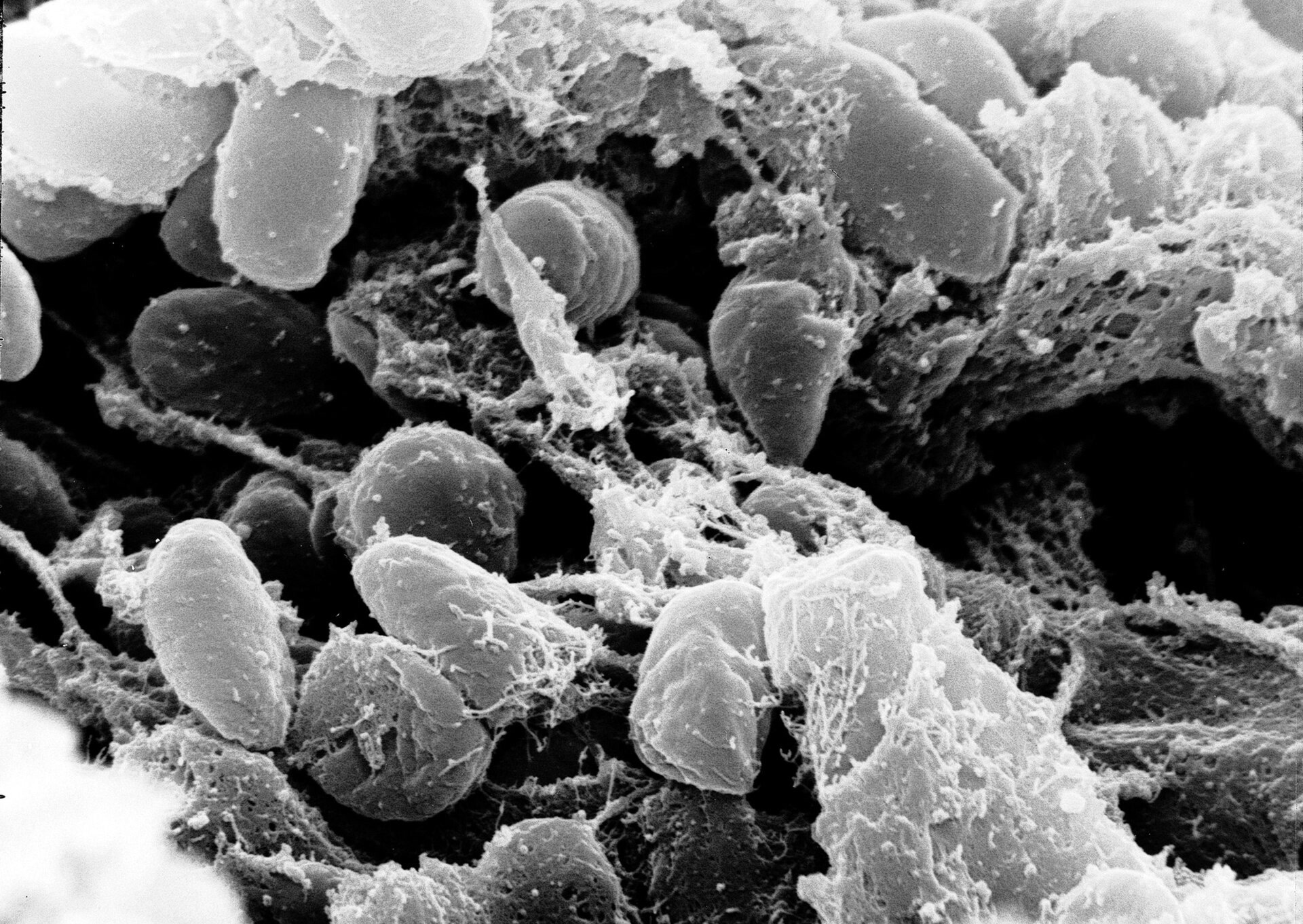
Caused by the bacterium Yersinia pestis, pneumonic plague differs from other forms of the disease in that it can pass from person to person through respiratory droplets. The World Health Organization says plague kills a high share of those infected but responds readily to antibiotics.
Kazakhstan introduces border checks
In Kazakhstan, the Health Ministry said it was keeping a close eye on Irkutsk and had set up sanitary and quarantine checkpoints at its border crossings. None of the travelers entering the country had a high temperature or other symptoms, the ministry said, assessing the risk as low.
A video circulating online, said to have been shot aboard a passenger jet after landing in Moscow, shows people waiting on board until health workers check them. There has been no official word on which flight it was or on whether compulsory temperature screening has been introduced for passengers arriving from Irkutsk.