An analysis in the Israeli press suggested that a new agreement taking shape between Washington and Tehran could mean a serious political loss for Israel. The article argued that the emerging US-Iran alignment could undermine Israel's stated war objectives.
The analysis pointed out that this agreement could be a first step toward a broader deal with Iran. It assessed that the accord could include elements like the reopening of the Strait of Hormuz and the release of some Iranian funds.
The commentary argued that Iran does not appear willing to give up its nuclear program or enriched uranium stockpiles. It also claimed that Iran maintains varying levels of enriched uranium and has the capacity to repurpose them for military use quickly.
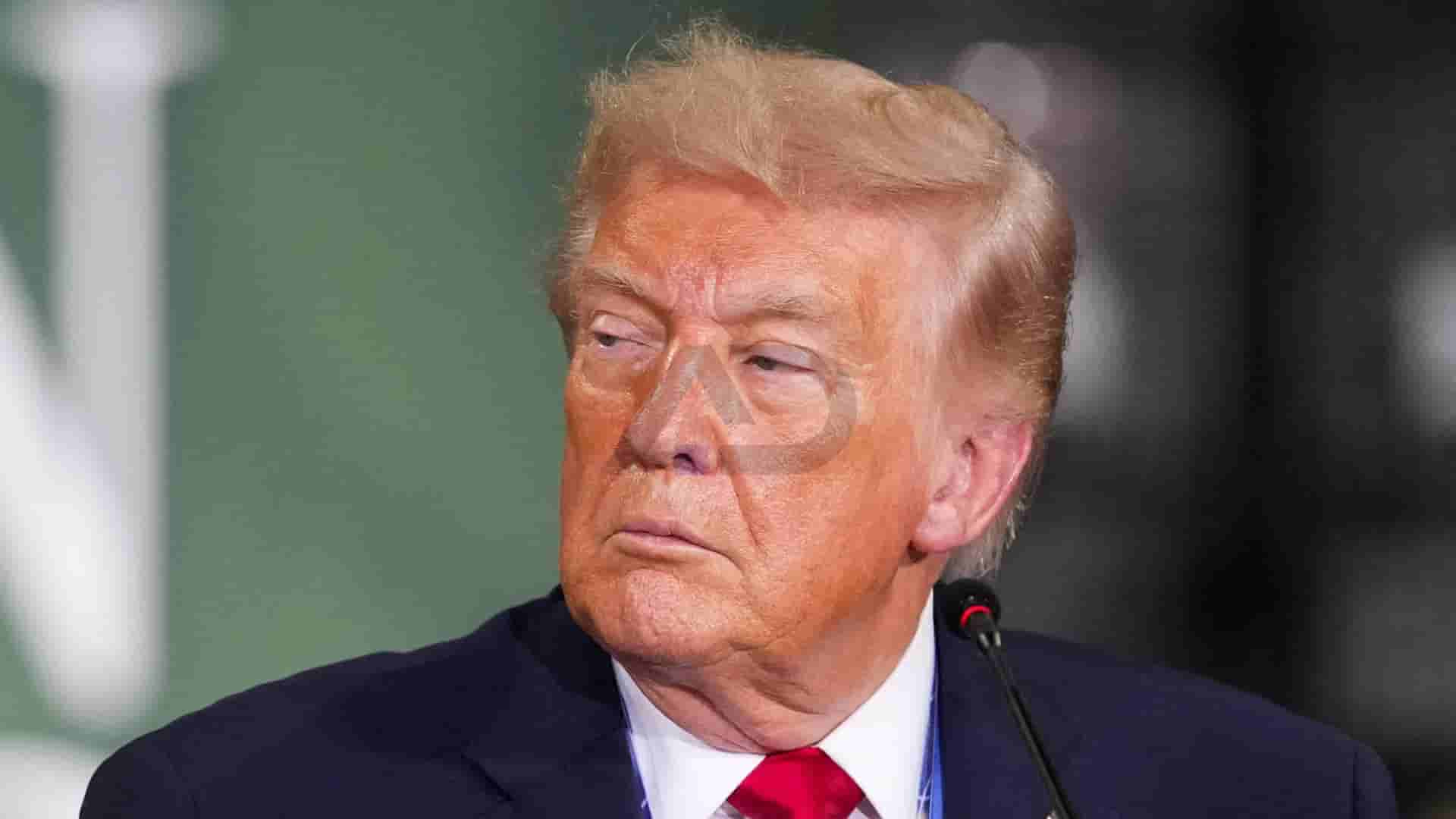
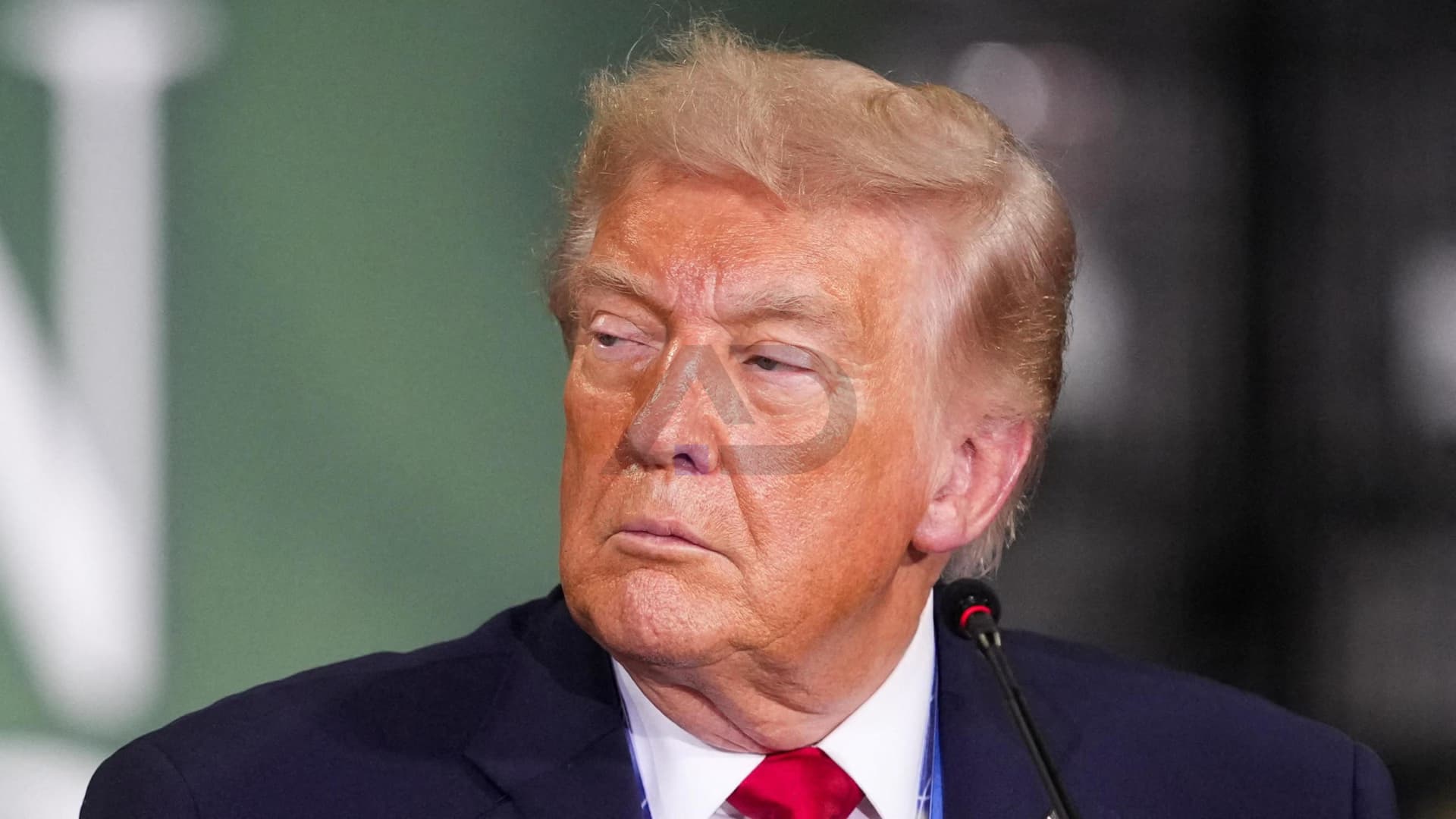
The article also expressed the view that Israeli Prime Minister Benjamin Netanyahu has become increasingly dependent on US President Donald Trump. It criticized that the Israeli government relies on Washington's decisions in military and regional matters.
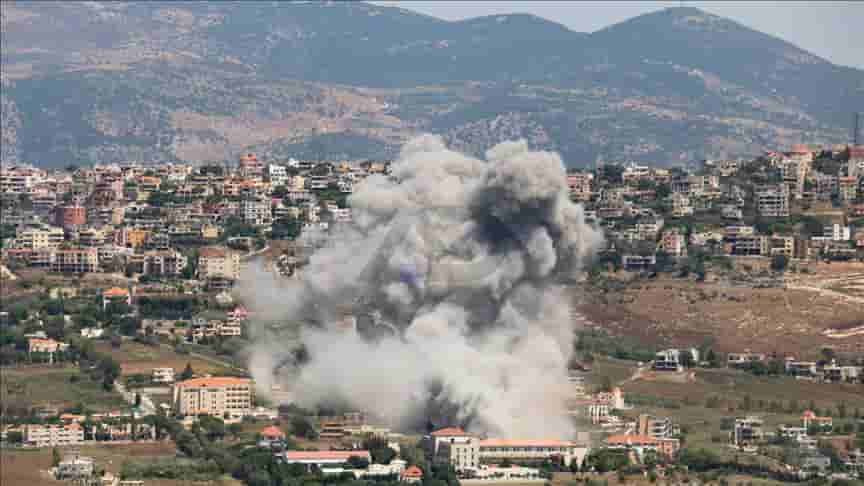
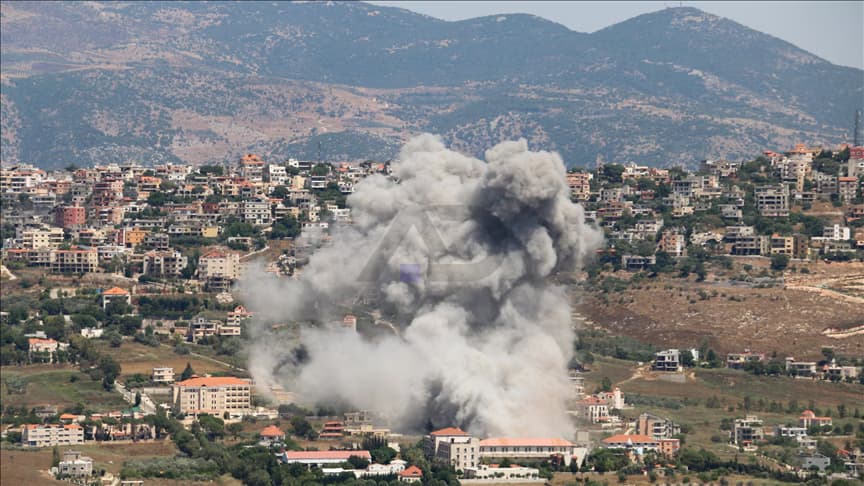
Among the striking parts of the article was the observation that Netanyahu sets high goals, emphasizing a discourse of "total victory" and sidelining Iran rather than pursuing more limited and achievable military objectives. The text argued that the results of the war on the Gaza and Lebanon fronts need to be concluded within a more realistic framework.
The analysis also conveyed the view that Iran's resilience in the face of recent attacks has made Tehran more resistant and less deterrable. It claimed that despite the severe damage to Iran's regional network, it has not been entirely wiped out, and Hezbollah and Hamas retain varying levels of capability.
The prominent message in the report was that military pressure alone will not yield results and that a political framework established between the US and Iran could directly affect Israel's regional calculations. Therefore, the analysis emphasized that the coming period will be decisive not only on the battlefields but also at the diplomatic table.