New York Mayor Zohran Mamdani is preparing to use city-owned land more aggressively for affordable housing production. The city administration aims to build a total of 200,000 affordable homes across the five boroughs.
The plan relies not only on opening new plots but also on repurposing existing public properties. Options include converting libraries into mixed-use buildings, building housing on unused parking lots, and converting some office or hotel buildings.
10-year target on public land
The administration is working to identify public sites that could create at least 25,000 new affordable housing units over the next 10 years. Ten projects currently in the planning and development stage have the potential to produce several thousand apartments.
It is emphasized that building housing on public land is not a solution on its own. However, it is noted that this method could be one of the most powerful tools at the city's disposal.
Housing pressure continues in New York
Attention is drawn to the worsening housing burden in New York. Most city residents spend more than 30 percent of their income on housing; economists define this threshold as unaffordable housing expenditure.
It also emerges that a significant portion of the city's land is not suitable for housing. Some areas are seen as difficult to develop due to planning rules, lot sizes, and shapes.
According to an analysis by New York University's Furman Center, about 10,000 of the roughly 15,000 parcels in the city's portfolio are already zoned for residential use. However, about one-third of city-owned land is under the jurisdiction of the Parks and Recreation Department, indicating that these areas may be used as parks, open public spaces, or sports facilities.
Expert assessments also point out that the number of truly developable vacant sites in the city is limited. Therefore, some proposals are taking shape around adding housing on top of suitable public buildings.
City will need support
To achieve its goals, the city will need support from the City Council, the Albany administration, private developers, and taxpayers. The administration also highlights its rent freeze plan, universal 2-K childcare program, promise of fast and free buses, and other eligibility steps as complementary elements of its housing policy.
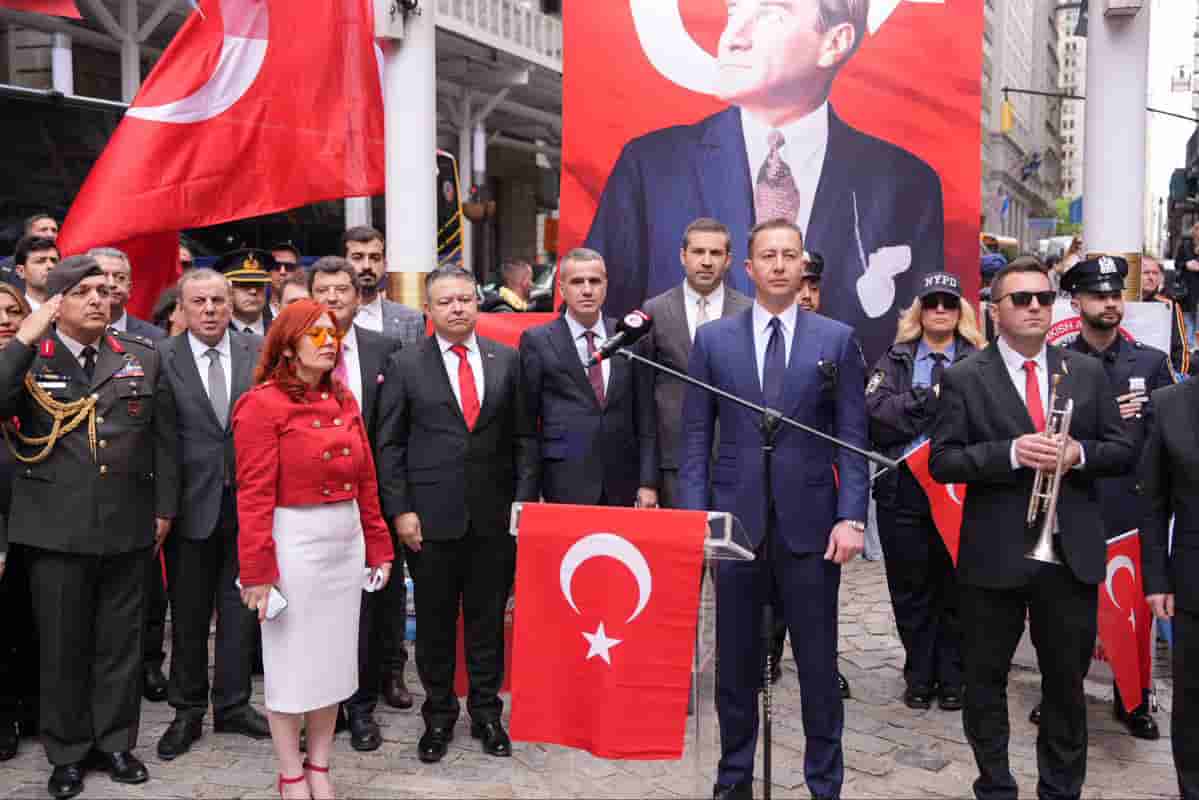
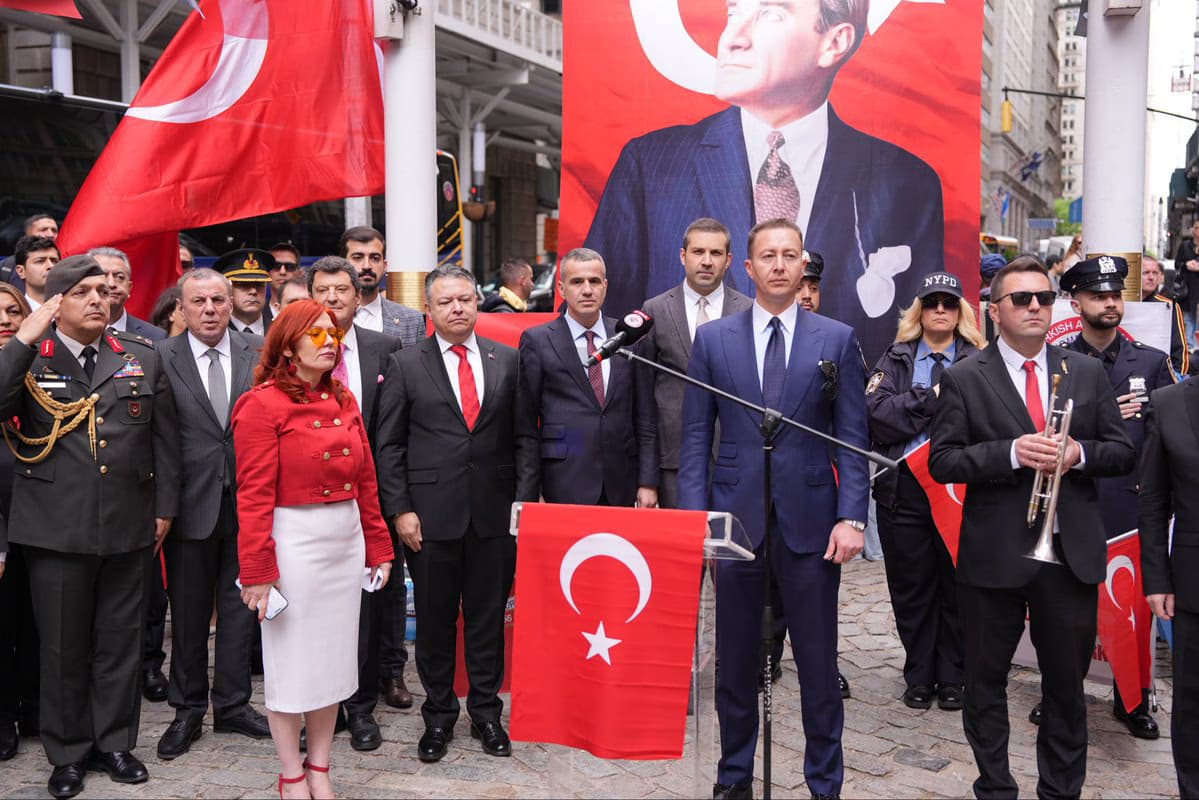
In a speech in Queens last month, Mamdani outlined the new approach, saying they would build more housing in the city.