- BIST10011,599-1.68%
- USD49.58+0.05%
- EUR55.62+0.09%
- GOLD4,151.70+0.22%
- INTEREST37.00%-1.00
- BITCOIN84,005+1.28%
- October 21, 202613°
- BIST10011,599-1.68%
- USD49.58+0.05%
- EUR55.62+0.09%
- GOLD4,151.70+0.22%
- INTEREST37.00%-1.00
- BITCOIN84,005+1.28%
- October 21, 202613°
Ocean temperatures hit a July record as fires increased across Europe in 2026
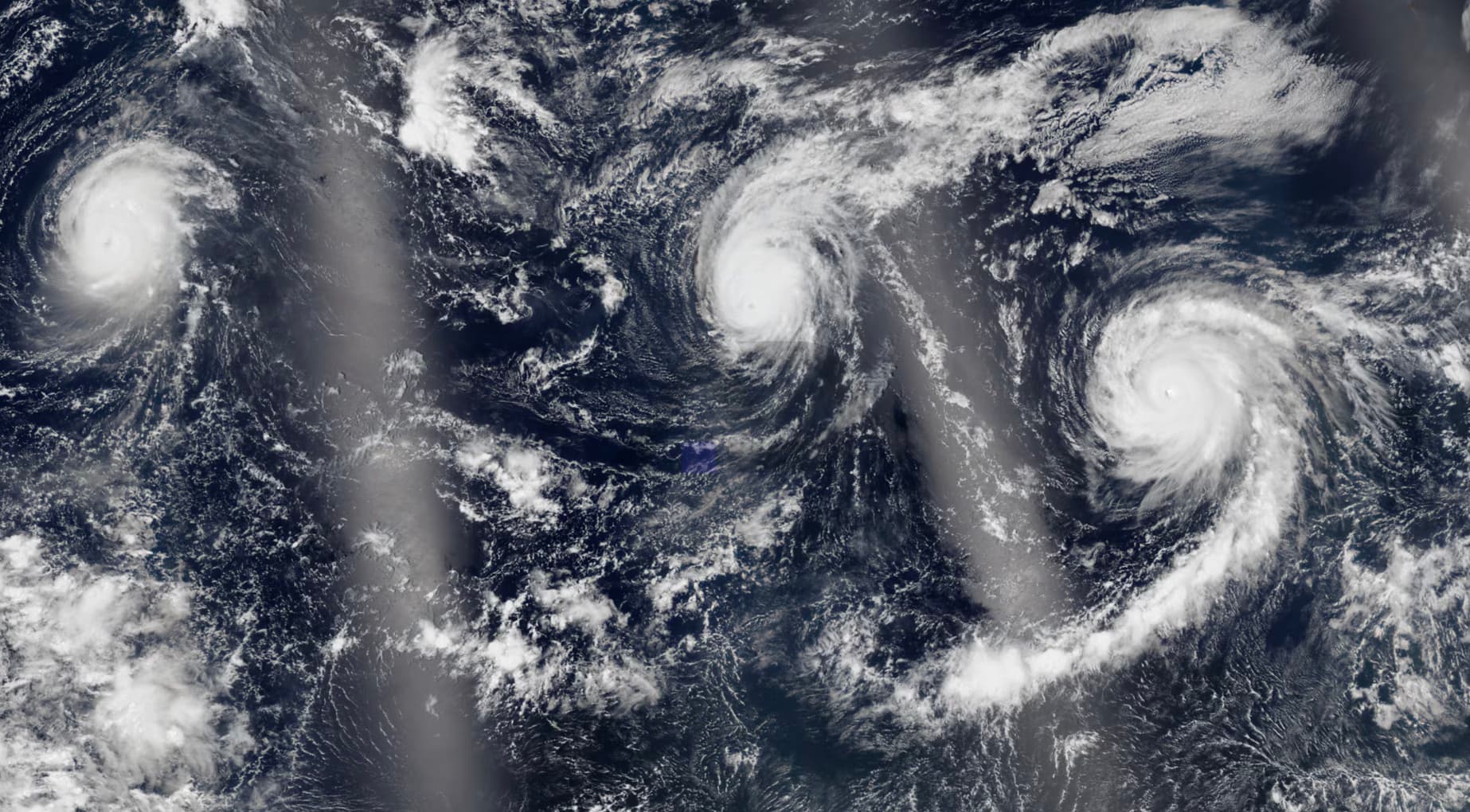
In July 2026, the global ocean surface temperature reached the highest level observed for the month, while the world recorded its second-hottest July ever. Extreme heat and drought in Western Europe intensified wildfires in Spain and France.


Global ocean surface temperature reached an average of 20.96 degrees in July 2026, making it the highest July value observed in the history of records. This surpassed the previous record set in 2023. The month was also the second-hottest July ever recorded worldwide.
The rise in ocean temperatures is expected to intensify in the coming months under the influence of El Niño.
Temperature differences across Europe
Europe's land surface temperature averaged 20.49 degrees in July. This was 0.66 degrees above the July average for the 1991–2020 period.
Across Europe, July 2026 was the 11th-hottest July in recorded history. In Western Europe, June and July were considered the hottest months since records began. July was the region's third-hottest July.
Drought fueled wildfires
Extreme heat and drought in Western Europe led to widespread wildfires across the continent. The fires were particularly intense in Spain and France.
Global land surface temperature also rose to an average of 16.9 degrees in July. This was 0.67 degrees above the July average for the 1991–2020 period and 1.47 degrees above the average for the preindustrial period between 1850 and 1900.
Stay Updated with Ally Daily
Subscribe to be informed about special news, developments and announcements. We will keep you informed.
By signing up, you agree to our Privacy Policy