- BIST10011,722-2.89%
- USD49.45+0.05%
- EUR55.62+0.37%
- GOLD4,181.10+0.26%
- INTEREST37.00%-1.00
- BITCOIN81,450-0.06%
- October 17, 202613°
- BIST10011,722-2.89%
- USD49.45+0.05%
- EUR55.62+0.37%
- GOLD4,181.10+0.26%
- INTEREST37.00%-1.00
- BITCOIN81,450-0.06%
- October 17, 202613°
October heat prompts emergency grid order for 13 states and DC
The Energy Department issued an emergency order for the PJM power grid, which covers 13 states and Washington, D.C., as unusually warm October weather collided with seasonal power plant maintenance and raised the risk of blackouts.
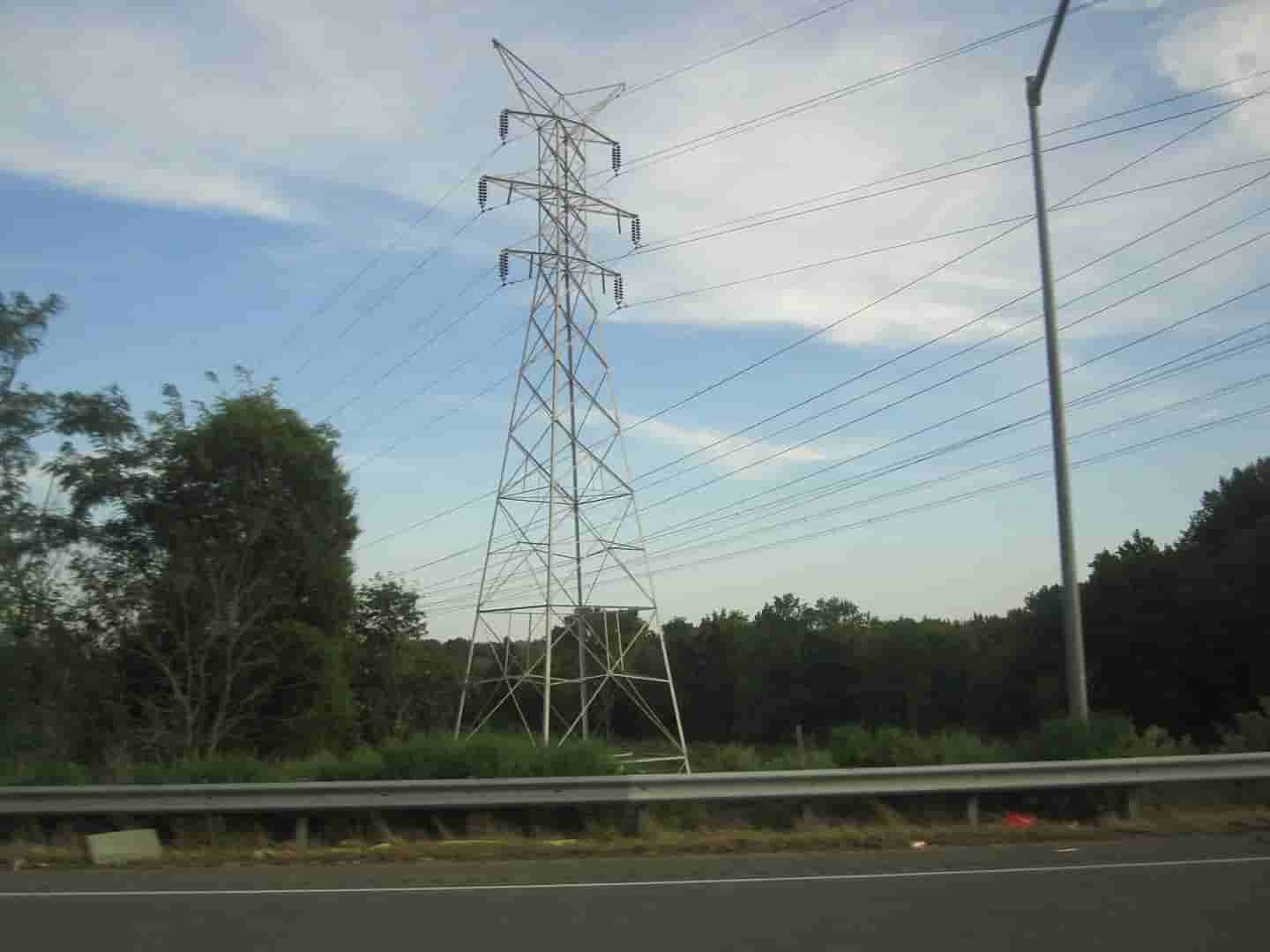
The U.S. Energy Department issued an emergency order on Oct. 13 for PJM Interconnection, the grid operator serving 13 states and Washington, D.C., as unusually warm October weather pushed up electricity demand while many power plants were offline for seasonal maintenance.
The order, issued under Section 202(c) of the Federal Power Act at PJM’s request and in effect through Oct. 16, allows the operator to run specified generating units beyond the limits of their permits and, as a last resort before or during the most severe grid emergency level, to direct data centers and other large industrial and commercial users to switch to backup generators. Energy Secretary Chris Wright said the order would help ensure that millions of families and businesses across the mid-Atlantic keep access to power.
Alerts and demand response

PJM issued a Maximum Generation Alert and a Load Management Alert for Oct. 13 and extended both through Oct. 14, calling on demand response programs, in which customers are paid in advance to cut their use when the grid is stressed. The operator said about 61,000 megawatts of generation was out of service on Oct. 13, largely for planned maintenance, and forecast peak demand of about 112,400 megawatts that day and 113,300 megawatts on Oct. 14.
PJM also recalled generation maintenance outages across its footprint from noon on Oct. 14, canceled transmission outages where possible and curtailed power sales to neighboring systems. It said the alerts did not require any action from customers and that it had not used backup generation at large loads.
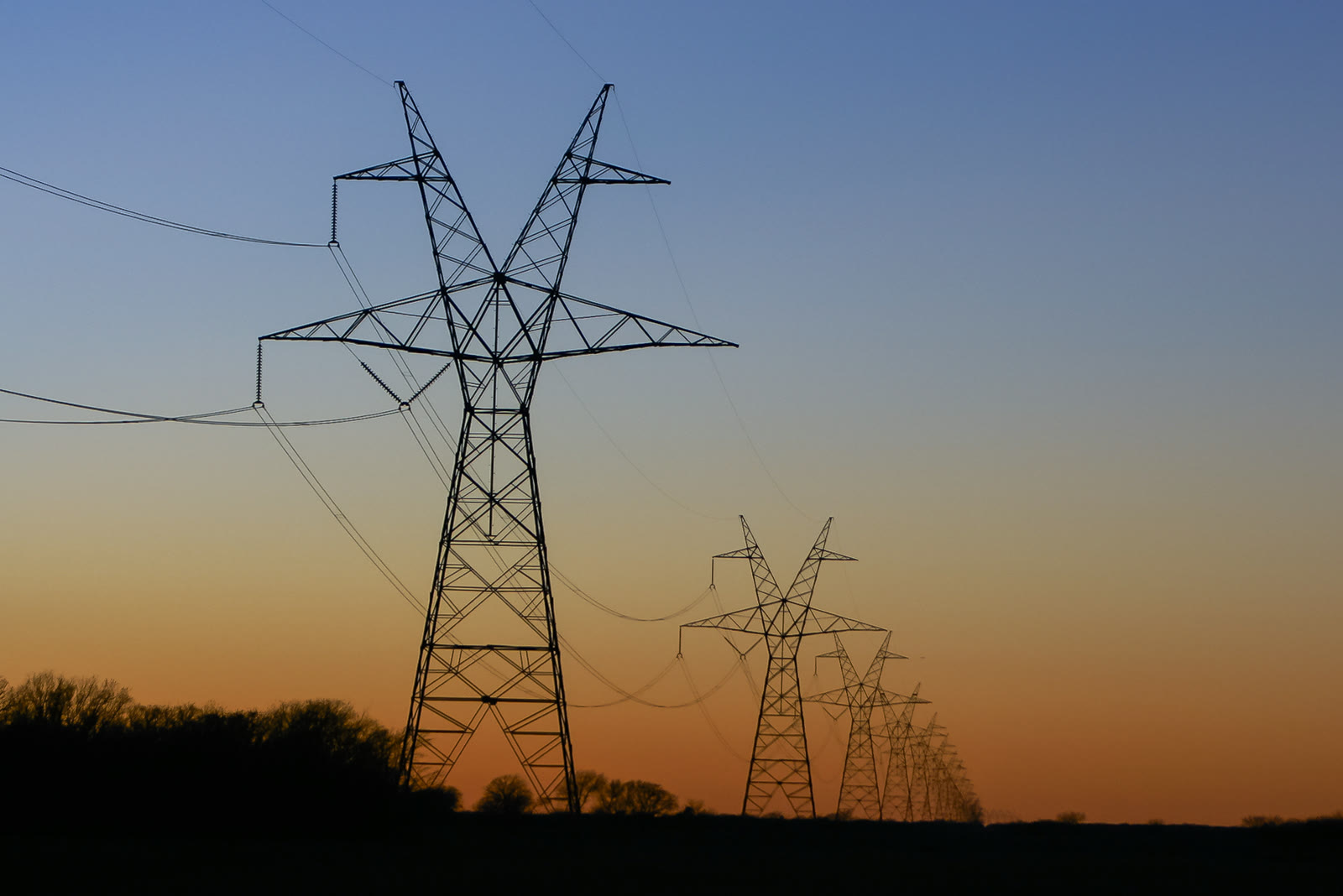
“The new reality”
“Unseasonable weather patterns are providing fewer days to perform important maintenance or construction,” said Mike Bryson, PJM’s senior vice president of system operations. “This is the new reality that grid operators are facing.”
Washington and Richmond saw near-record highs for mid-October this week, and forecasters expect a sharp cooldown over the weekend. PJM’s territory includes Delaware, Illinois, Indiana, Kentucky, Maryland, Michigan, New Jersey, North Carolina, Ohio, Pennsylvania, Tennessee, Virginia and West Virginia, along with the District of Columbia.
Stay Updated with Ally Daily
Subscribe to be informed about special news, developments and announcements. We will keep you informed.
By signing up, you agree to our Privacy Policy