- BIST10011,429-1.28%
- USD49.60+0.05%
- EUR55.68+0.11%
- GOLD4,082.80-1.62%
- INTEREST37.00%-1.00
- BITCOIN81,709-2.76%
- October 22, 20267°
- BIST10011,429-1.28%
- USD49.60+0.05%
- EUR55.68+0.11%
- GOLD4,082.80-1.62%
- INTEREST37.00%-1.00
- BITCOIN81,709-2.76%
- October 22, 20267°
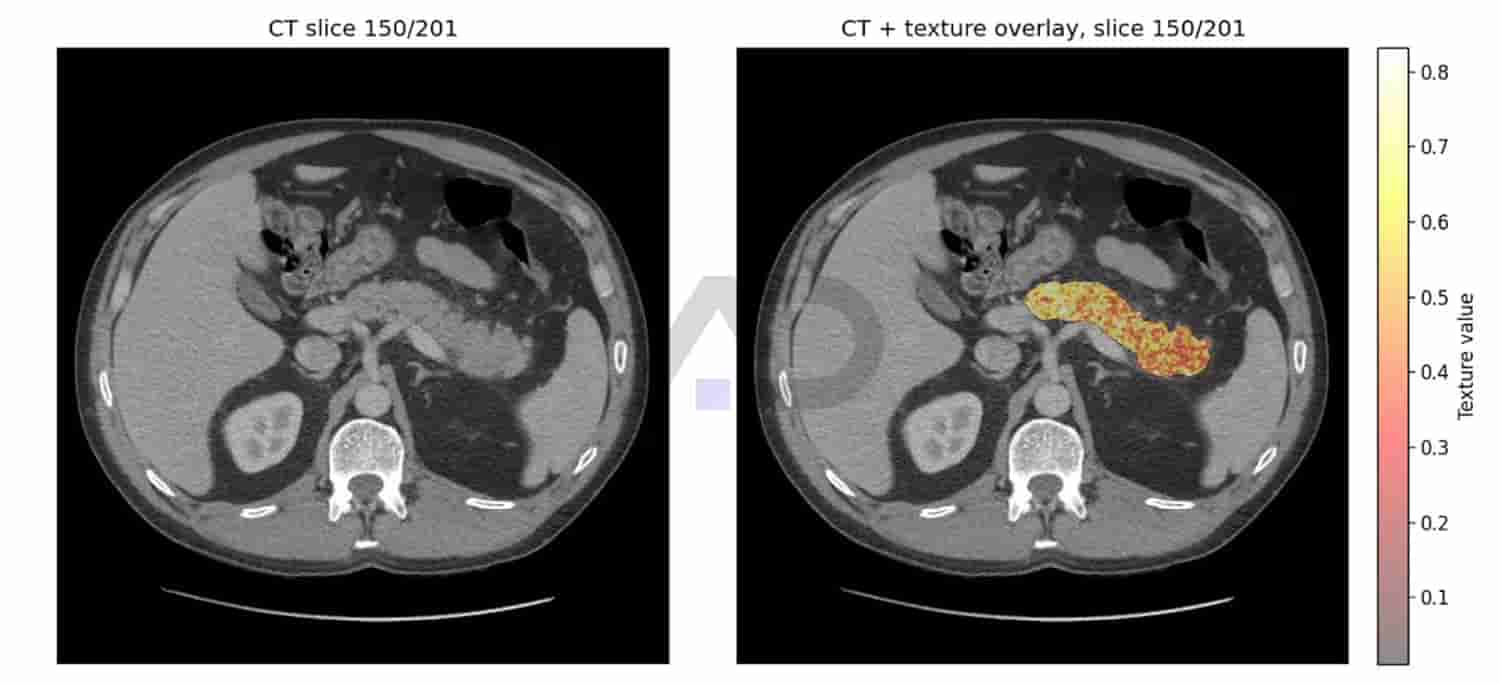
Pancreatic cancer vaccine developed at Johns Hopkins succeeds in first human trial
The mKRAS-VAX vaccine, tested on 20 high-risk individuals at Johns Hopkins University, generated an immune response in 90% of participants, and no cancer cases were observed during 16.5 months of follow-up.


A clinical trial conducted at Johns Hopkins University, one of the leading research institutions in the United States, has revealed promising results for an experimental vaccine aimed at preventing pancreatic cancer. The vaccine, called mKRAS-VAX, was administered to 20 individuals in the high-risk group for this type of cancer.
According to the findings of the phase 1 study published in the journal Cancer Discovery, a strong immune response targeting the mutant KRAS protein was observed in 90% of vaccine recipients. While an average 18-fold increase in immune activity was recorded, half of the subjects responded to all six different KRAS mutations included in the vaccine.
The vaccine, administered as three primary doses and one booster, triggered the production of two types of protective T cells: those that directly attack abnormal cells and those that provide long-term immune memory.
The vaccine's safety profile was evaluated positively. Participants experienced only mild reactions at the injection site and temporary, flu-like symptoms. Over approximately 16.5 months of follow-up, no participant developed pancreatic cancer. Remarkably, in 37.5% of vaccinated individuals, pancreatic cysts that increase cancer risk were found to have shrunk or disappeared completely.
Study co-author Associate Professor Neeha Zaidi emphasized that the vaccine's ability to provide long-term protection is extremely important for cancer prevention. Zaidi said, "The vaccine was safe and well-tolerated, indicating it could be used in larger-scale prevention studies. This research represents the first proof-of-concept for using a vaccine to prevent pancreatic cancer in humans."
Another researcher, Professor Michael G. Goggins, stated that while the development of KRAS-specific T cell responses was associated with stabilization or regression of cysts, more comprehensive studies are needed to definitively link this effect to the vaccine.
The team also acknowledged the study's limitations, including its small participant group and the fact that it was not designed to definitively measure clinical efficacy. Dr. Elizabeth Jaffee, Deputy Director of the Sidney Kimmel Cancer Center, noted that cancer prevention and early intervention save lives and reduce the disease burden, adding that such research is critically important, especially for cancer types with limited early detection methods.
Jaffee also added that more funding is needed to develop strategies for preventing cancer in high-risk individuals: "We need more research to determine the most effective vaccine approaches, the best targets, and the ideal timing for vaccination."
Stay Updated with Ally Daily
Subscribe to be informed about special news, developments and announcements. We will keep you informed.
By signing up, you agree to our Privacy Policy