- BIST10011,220-3.08%
- USD49.63+0.05%
- EUR55.70+0.05%
- GOLD4,037.40-0.57%
- INTEREST36.00%-1.00
- BITCOIN81,675+0.44%
- October 23, 202611°
- BIST10011,220-3.08%
- USD49.63+0.05%
- EUR55.70+0.05%
- GOLD4,037.40-0.57%
- INTEREST36.00%-1.00
- BITCOIN81,675+0.44%
- October 23, 202611°
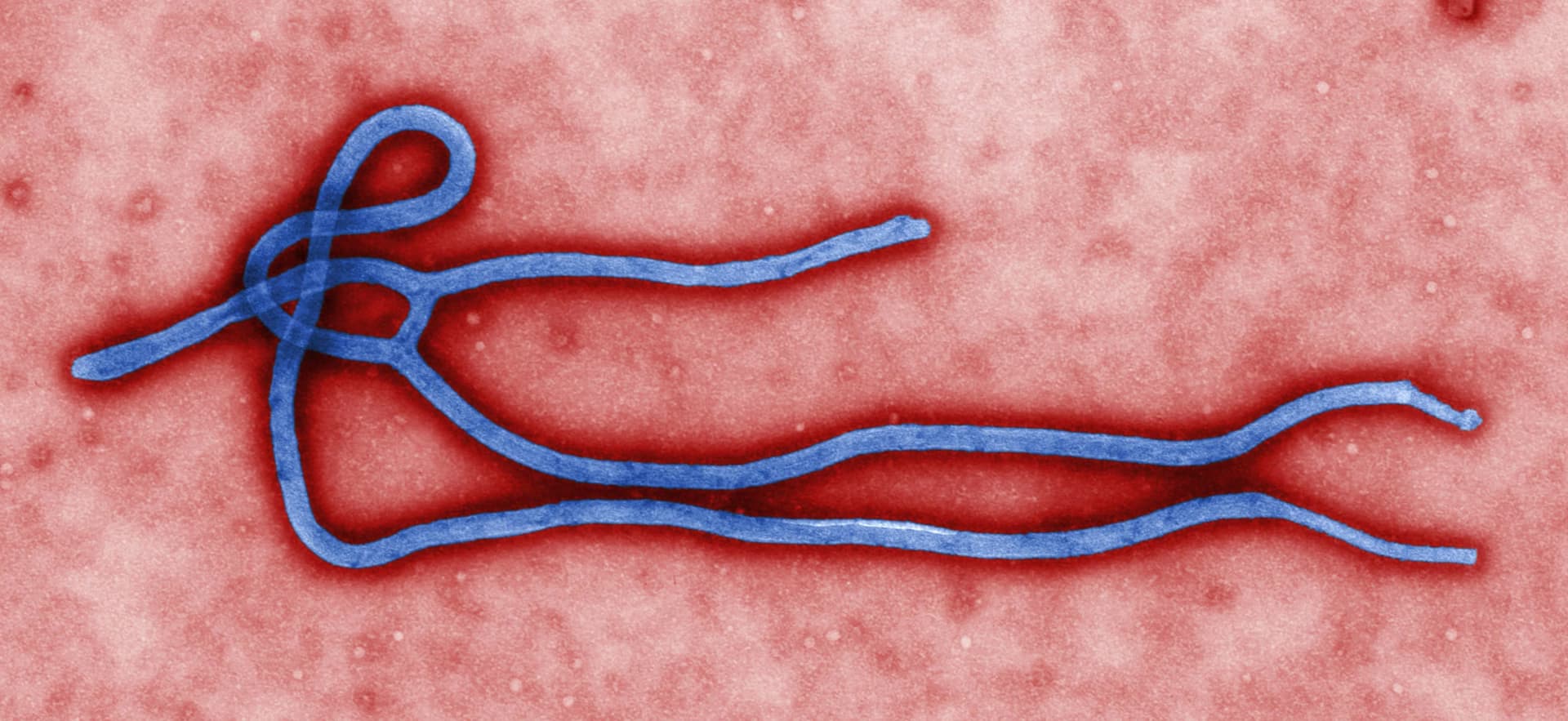
Bourbon virus, with no vaccine or treatment, is detected in New York for the first time
The rare Bourbon virus, transmitted by the lone star tick, has been detected in a patient in New York state for the first time. Experts warned that there may be more undiagnosed cases.


The rare Bourbon virus, which has no vaccine or specific treatment, has been detected in a patient in New York state for the first time. Research conducted by Stony Brook Medicine revealed that the virus may be more widespread than previously thought and that additional cases may have gone undiagnosed.
The virus was first identified in Bourbon County, Kansas, in 2014, and since then only six human cases have been reported in the country. Known to be linked to at least two deaths, the virus was recorded with the first case in 2014 and another case in 2026.
Experts warn of wider prevalence
Prof. Dr. Luis Marcos from Stony Brook Medicine said, "There are many lone star ticks in New York and the Northeast. The population density is high and Bourbon virus symptoms resemble other tick-borne infections. For these reasons, the virus may be more common in our region than we think, and other cases are likely going undiagnosed."
Symptoms of Bourbon virus include fever, fatigue, rash, headache, body aches, and nausea. However, the lack of a commercial diagnostic test and the fact that many healthcare workers are not familiar with the virus increase the risk of misdiagnosis.
First confirmed case on Long Island
A study conducted on a patient treated on Long Island detected an eightfold increase in antibody levels against the virus, confirming the first definitive case in New York. The patient was hospitalized.
According to the U.S. Centers for Disease Control and Prevention (CDC), the lone star tick is widely found in the northeastern, southern, and midwestern United States. The adult female tick is recognized by the white spot or "lone star" on its back.
Marcos and his team stated that the findings highlight the need for broader surveillance and better tests. Marcos said, "Without identifying the cause of the infection, we have little chance of developing accurate diagnostic tests or effective treatments. Therefore, it is crucial to understand the true impact of the virus in high-risk areas."
Prevention methods
Experts recommend wearing long pants and long-sleeved clothing, and tucking pant legs into boots to protect against tick bites. Applying insect repellents such as permethrin to clothing and outdoor gear is advised; these products should not be applied directly to the skin.
Experts also stress the need to avoid tall grass and heavily wooded areas, and to stay on trails. After spending time outdoors, check your body for ticks and remove them immediately if found. Experts strongly advise seeking medical attention if fever, rash, fatigue, or flu-like symptoms develop in the days or weeks following a tick bite.
Stay Updated with Ally Daily
Subscribe to be informed about special news, developments and announcements. We will keep you informed.
By signing up, you agree to our Privacy Policy