- BIST10011,722-2.89%
- USD49.45+0.05%
- EUR55.62+0.37%
- GOLD4,181.10+0.26%
- INTEREST37.00%-1.00
- BITCOIN81,450-0.06%
- October 17, 202614°
- BIST10011,722-2.89%
- USD49.45+0.05%
- EUR55.62+0.37%
- GOLD4,181.10+0.26%
- INTEREST37.00%-1.00
- BITCOIN81,450-0.06%
- October 17, 202614°
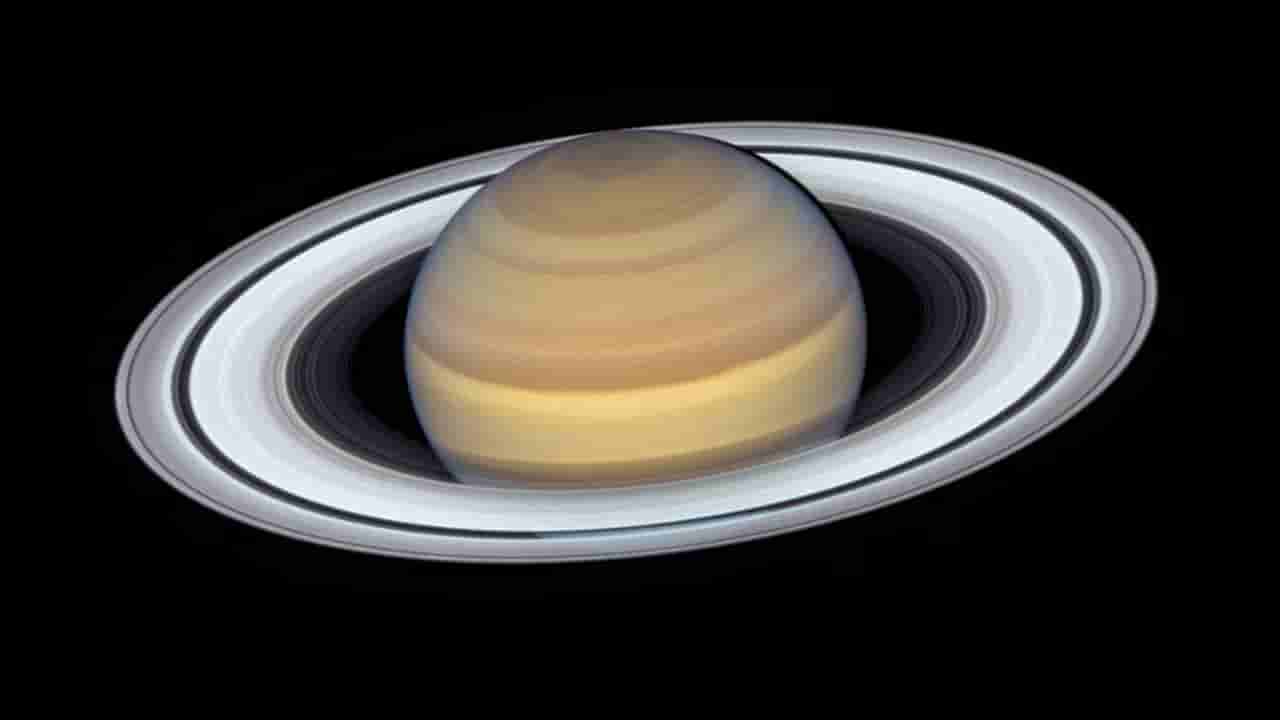
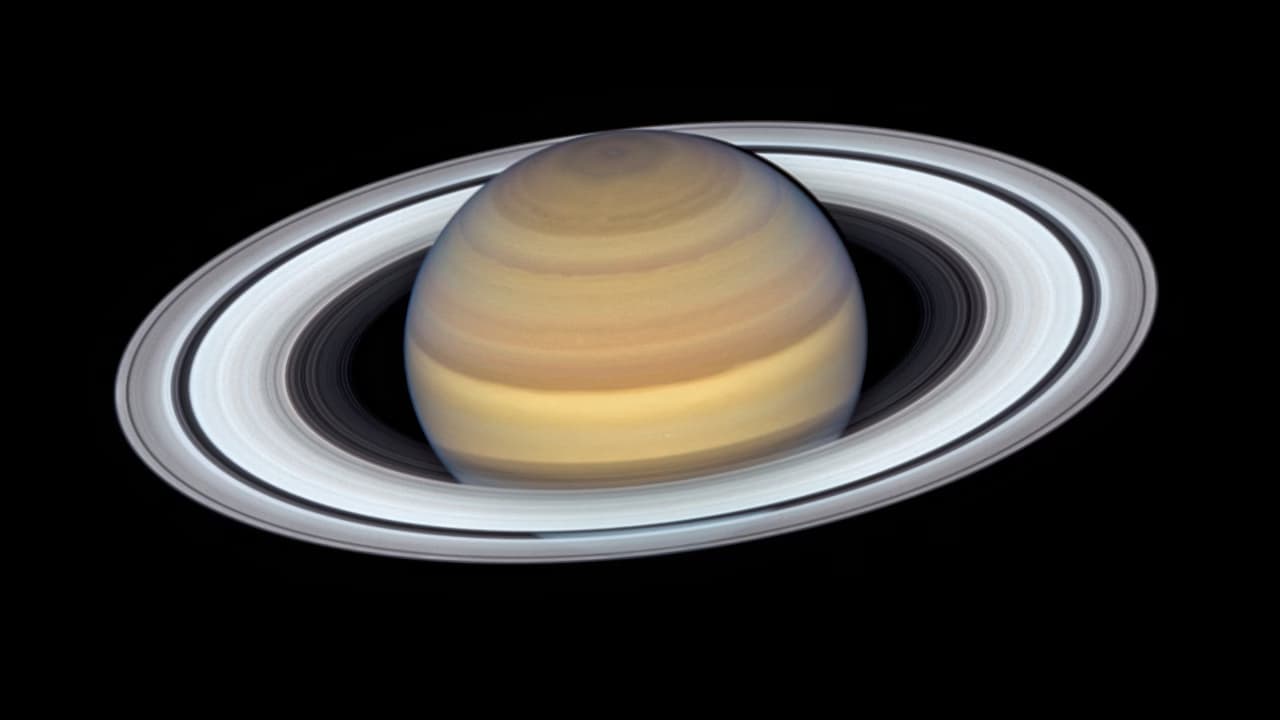
Look east at sunset: Saturn reaches opposition, its brightest of the year
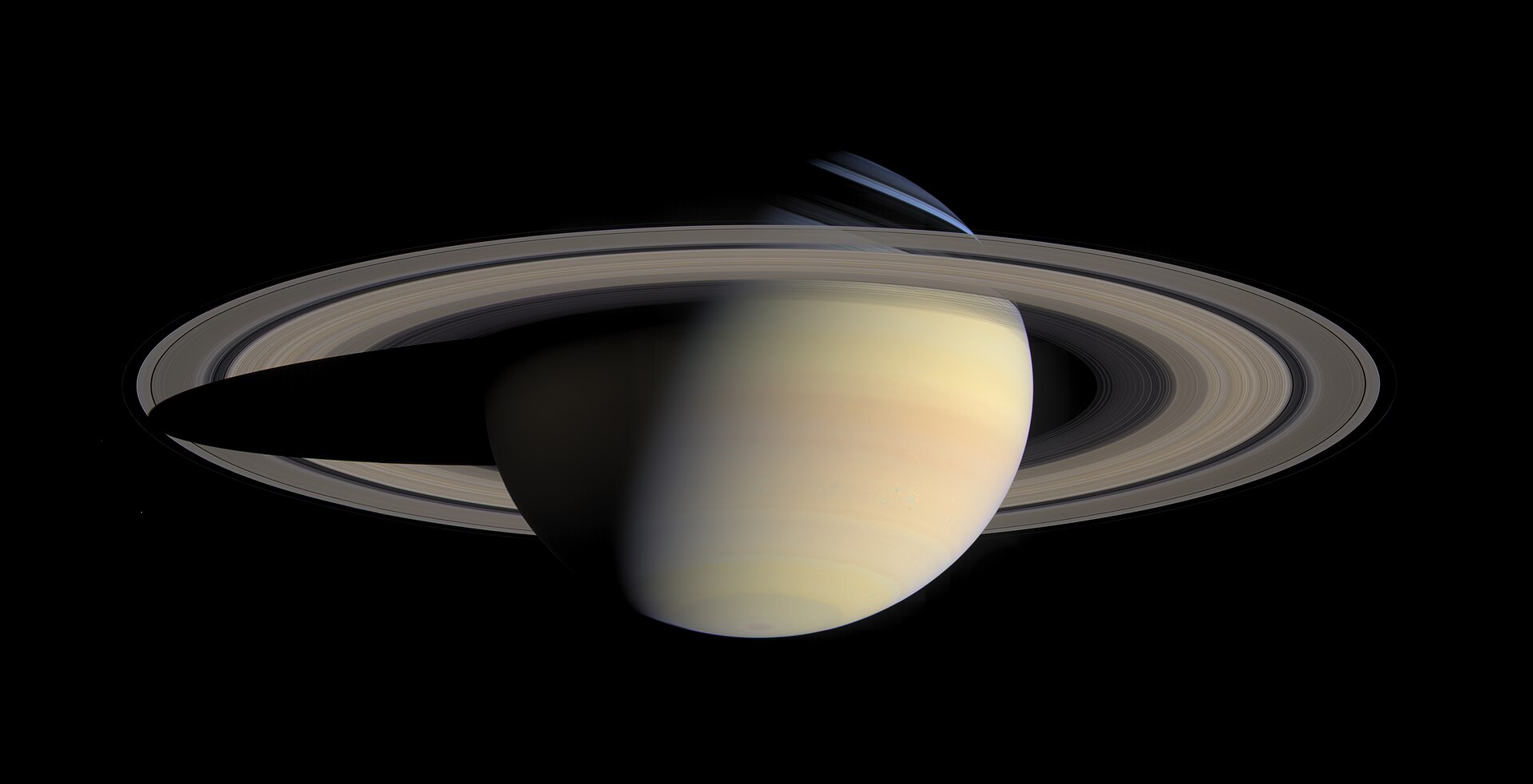
Saturn reached opposition at 8:29 a.m. EDT on Oct. 4, about 784 million miles from Earth, and can be seen with the naked eye through the night — though its rings require a telescope.
Ally Daily Editorial DeskUpdated:
Stay Updated with Ally Daily
Subscribe to be informed about special news, developments and announcements. We will keep you informed.
By signing up, you agree to our Privacy Policy