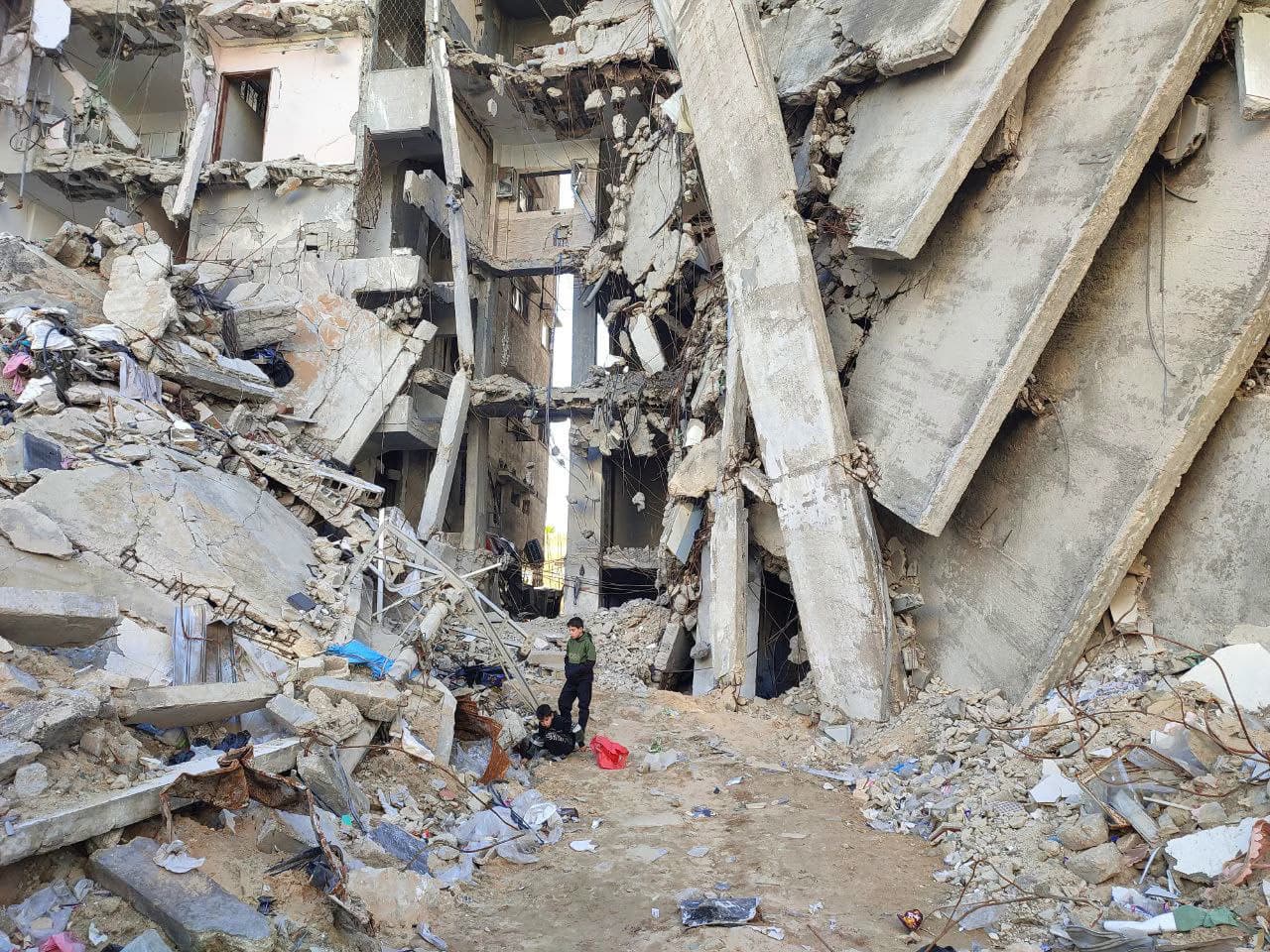
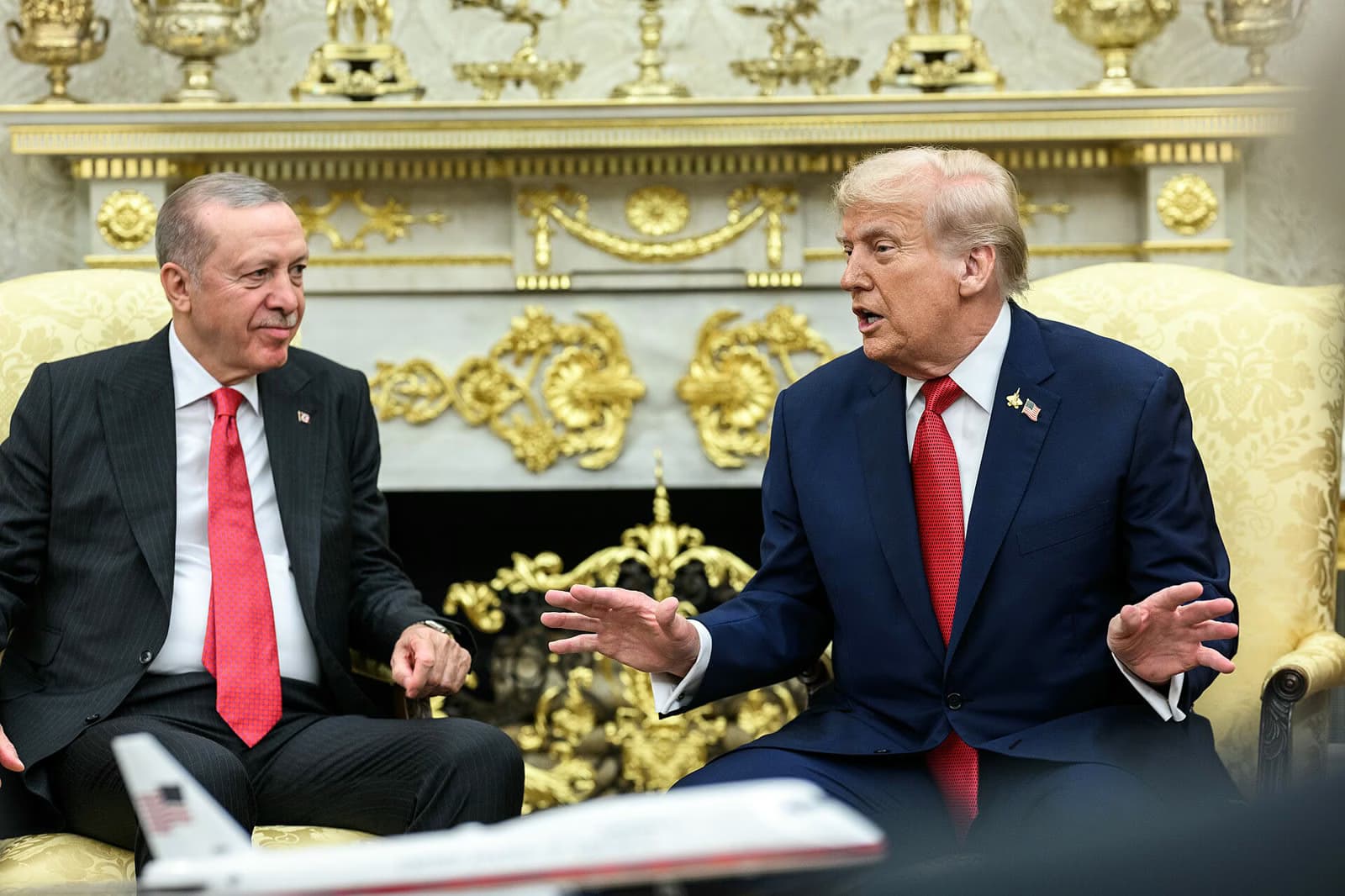
Various warnings about the possible consequences of a war were reportedly issued within the Donald Trump administration before the February attack on Iran, but U.S. President Trump allegedly disregarded those concerns.
According to the claims, then Director of National Intelligence Tulsi Gabbard warned that the killing of Iran's Supreme Leader could bring a more hard-line successor to power. Gabbard also reportedly highlighted the risk that the Strait of Hormuz could be closed; roughly one-fifth of global oil and natural gas trade passes through the waterway.
U.S. Vice President JD Vance reportedly advocated a more cautious approach that prioritized negotiations. Vance was said to have argued that a diplomatic agreement would carry a lower cost than a war with severe and unpredictable consequences.
Military risks and ammunition concerns
The claims said Defense Secretary Pete Hegseth and Chairman of the Joint Chiefs of Staff General Dan Caine presented Trump with attack options intended to achieve a decisive outcome.
Other officials allegedly warned about ammunition shortages and the problems an overstretched military could face. Trump reportedly rejected those concerns and said the military could overcome any problems that might arise.
The course of the war and diplomatic pressure
Trump was allegedly satisfied with the initial phase of the war after news broke that Iran's then Supreme Leader Ali Khamenei had been killed. However, Saudi Arabia and Qatar reportedly pressed for a diplomatic solution as fuel prices rose and the conflict failed to advance.
Internal polls conducted by companies in the United States reportedly showed that approximately 80 percent of Americans supported an agreement to end the war. Trump subsequently allegedly followed a temporary ceasefire process in June.
Some Republicans also reportedly warned that a prolonged war could harm the party in the November midterm elections.
The 60-day period granted for nuclear negotiations was also raised in claims that it ended on August 17 without a final agreement. According to the claims, the administration then returned to a policy of economic pressure aimed at weakening the Iranian government, including the use of a naval blockade and sanctions.