- BIST10011,722-2.89%
- USD49.45+0.05%
- EUR55.62+0.37%
- GOLD4,181.10+0.26%
- INTEREST37.00%-1.00
- BITCOIN81,509+0.01%
- October 17, 202613°
- BIST10011,722-2.89%
- USD49.45+0.05%
- EUR55.62+0.37%
- GOLD4,181.10+0.26%
- INTEREST37.00%-1.00
- BITCOIN81,509+0.01%
- October 17, 202613°
Turkish intelligence academy: Germany’s far right is a symptom, not the cause
Türkiye’s National Intelligence Academy says the rise of the AfD is a consequence of the erosion of liberal democracy in Germany rather than its cause, and outlines three scenarios for the country’s democratic future.

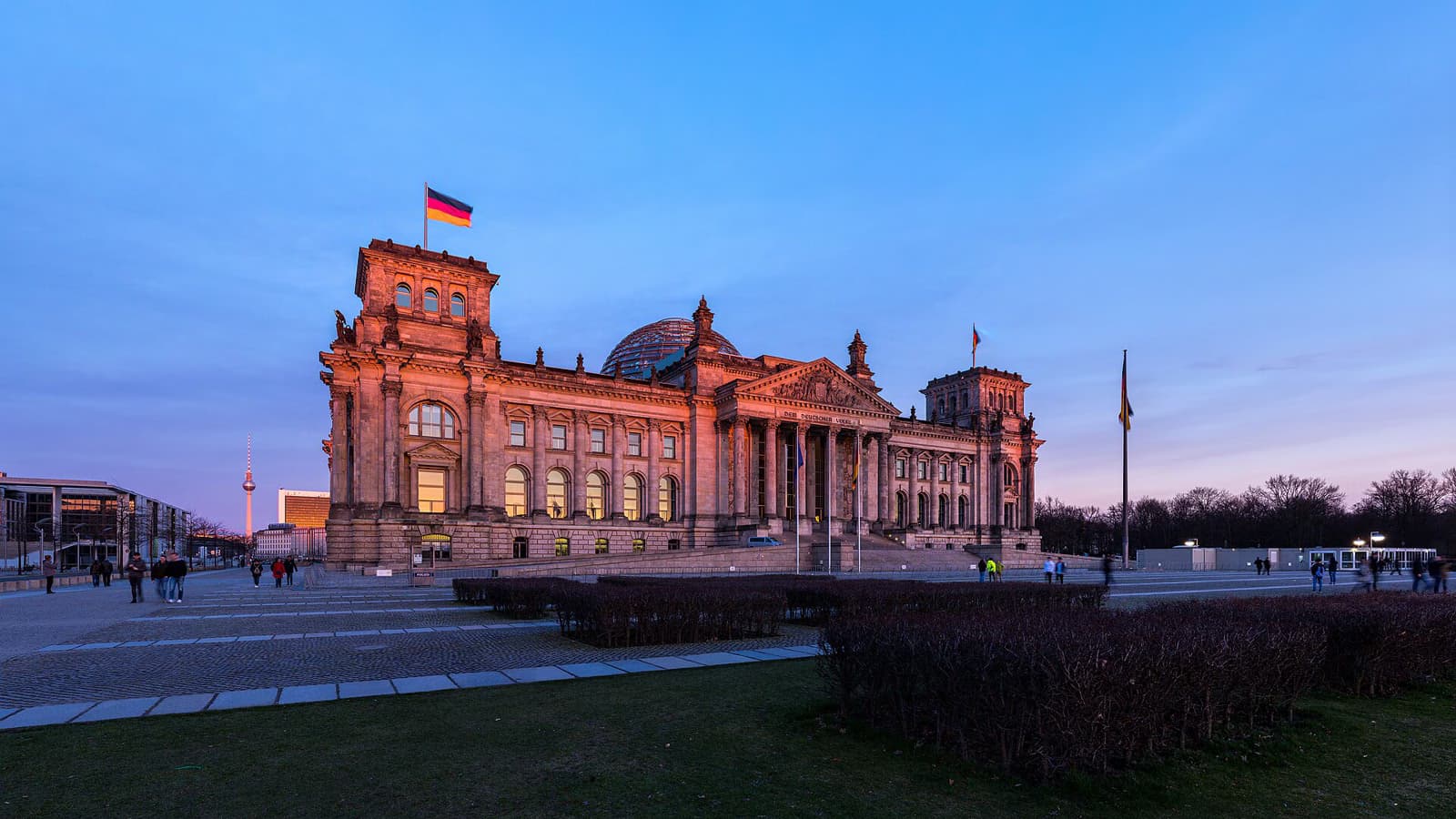
The rise of the far-right Alternative for Germany (AfD) is a “consequence, not a cause” of the erosion of liberal democracy, according to an analysis published by Türkiye’s National Intelligence Academy. The study, “The Far Right in Germany: The Representation Crisis of Liberal Democracy,” was written by the academy’s Baki Laleoğlu.
The analysis says Germany’s political transformation is not a temporary reaction to specific crises but a concrete manifestation of structural crises deepening across the Western world. It argues the AfD has reached a broad and diverse voter base by partly avoiding overtly racist symbols in favor of populist, anti-system rhetoric, and that support for the party tracks perceived loss of relative status more than unemployment or income inequality.
It sets out three scenarios: the normalization of populist and far-right politics; center-right parties drifting from the center and legitimizing extremist rhetoric; or the development of long-term inclusive policies and democratic resilience. The problem, it says, cannot be solved by legal measures alone.
The analysis also highlights the AfD’s dual approach to Türkiye, which it says the party does not see as culturally European while calling it “an important strategic and economic partner.”
Stay Updated with Ally Daily
Subscribe to be informed about special news, developments and announcements. We will keep you informed.
By signing up, you agree to our Privacy Policy