- BIST10011,110-0.37%
- USD49.79+0.05%
- EUR55.52-0.41%
- GOLD4,060.40-0.35%
- INTEREST36.00%-1.00
- BITCOIN81,105+0.38%
- October 28, 20267°
- BIST10011,110-0.37%
- USD49.79+0.05%
- EUR55.52-0.41%
- GOLD4,060.40-0.35%
- INTEREST36.00%-1.00
- BITCOIN81,105+0.38%
- October 28, 20267°
US moves Patriot battery from Texas, warns Gulf allies of post-midterm Iran campaign
The U.S. has told several Gulf Arab states to prepare for a short, intense military campaign against Iran after the Nov. 3 midterm elections, The Wall Street Journal reported, as the military shifts air defenses to the region.
Ally Daily Editorial DeskUpdated:
The United States has warned several Gulf Arab countries to brace for a "short, intense military campaign" against Iran after the Nov. 3 midterm elections, The Wall Street Journal reported Tuesday, citing people briefed on the conversations.
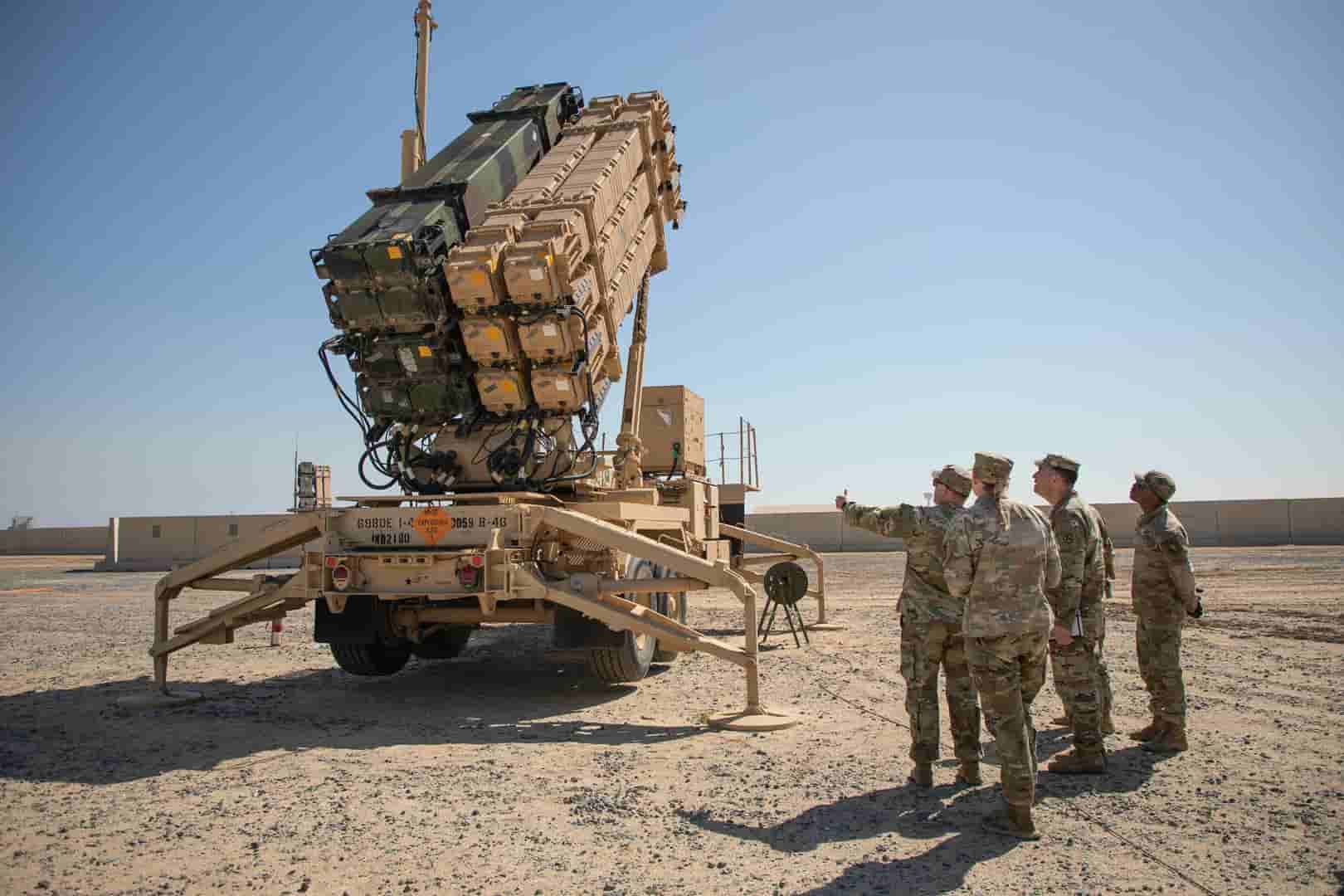
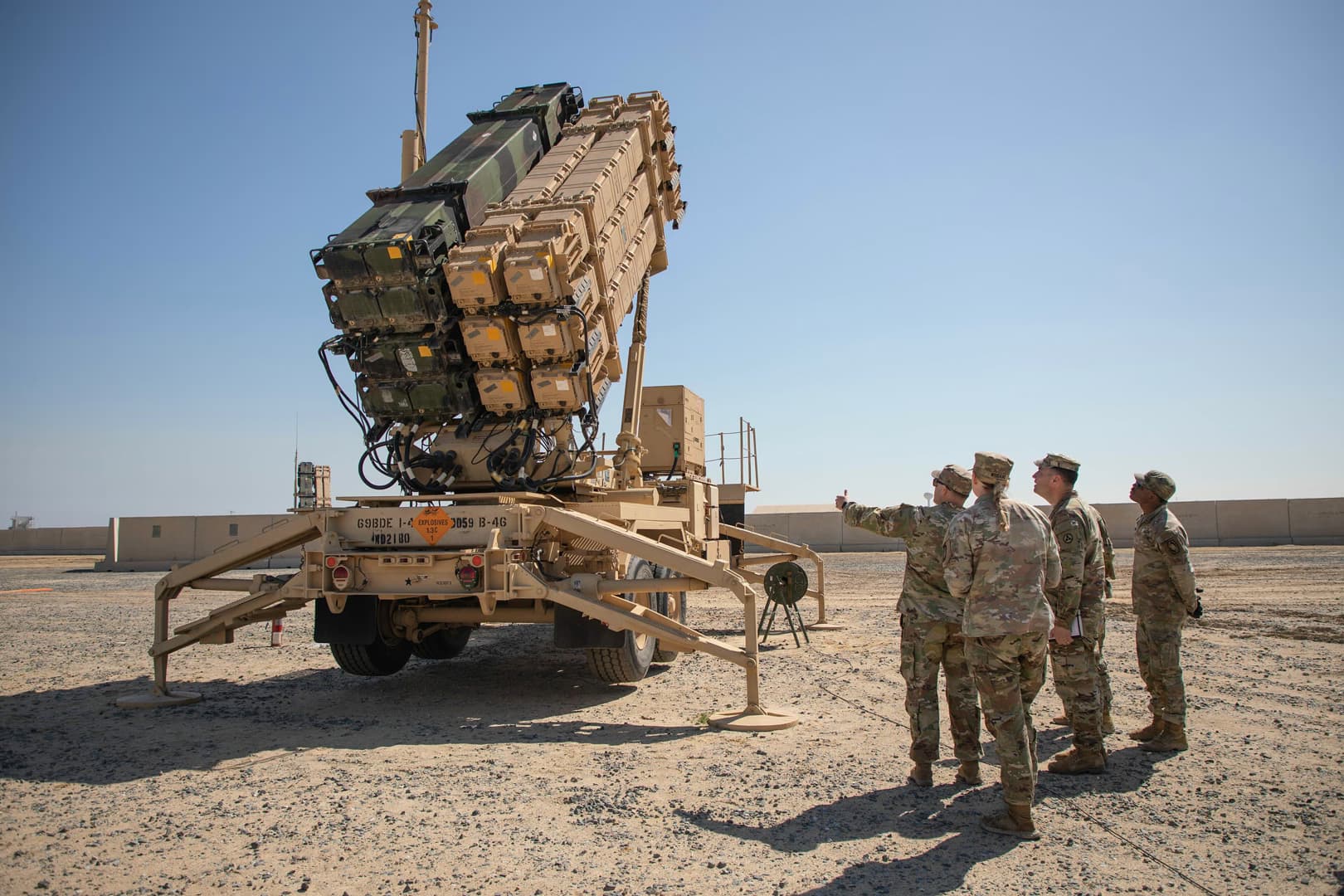
According to the Journal, the U.S. military is bringing a Patriot missile defense system from Texas to the region, has pulled troops away from vulnerable bases and is replenishing munitions, while bombers and fighter jets prepare for possible strikes. An additional aircraft carrier strike group and a Marine expeditionary unit are expected to join roughly 20 U.S. warships in the Middle East next month.
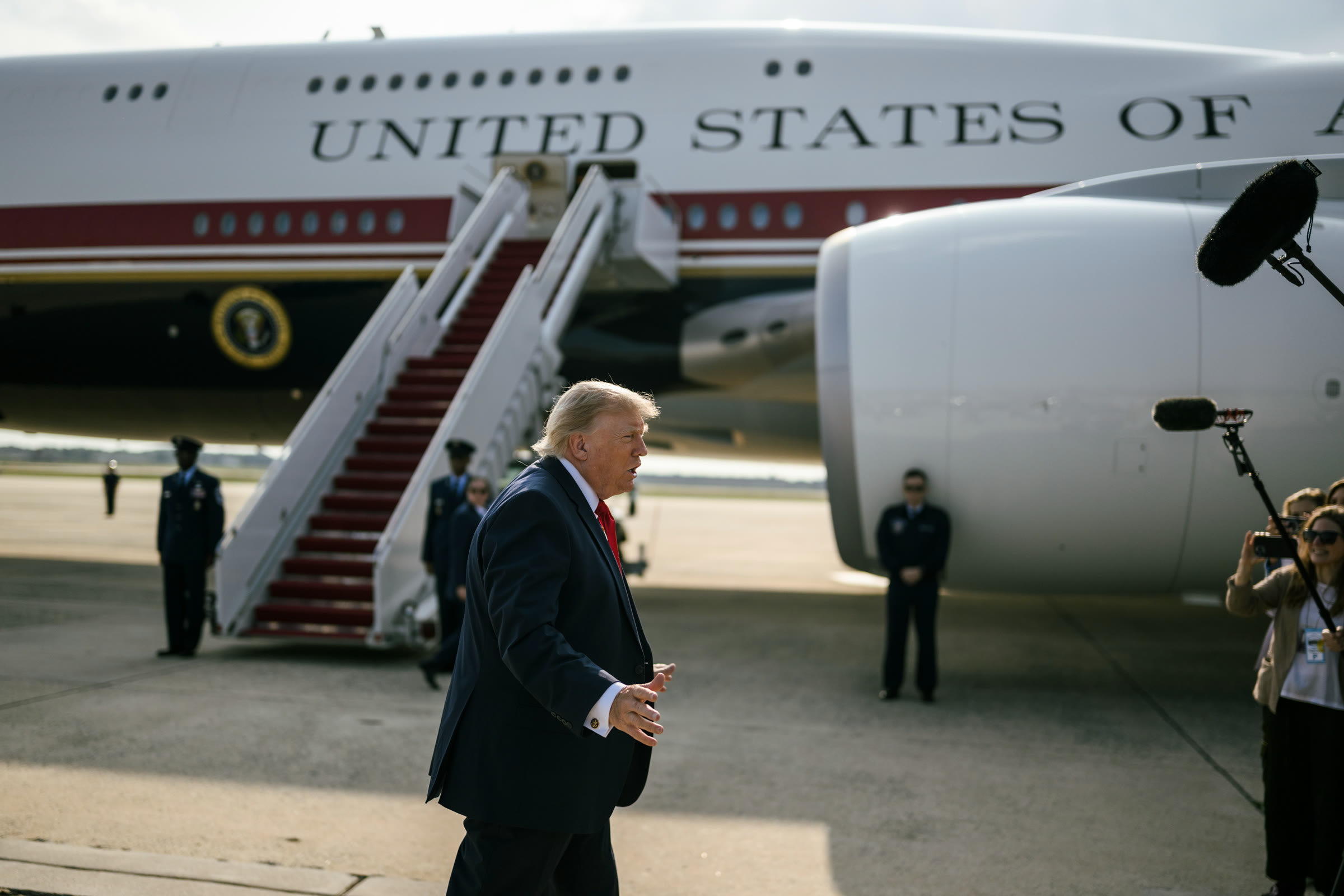
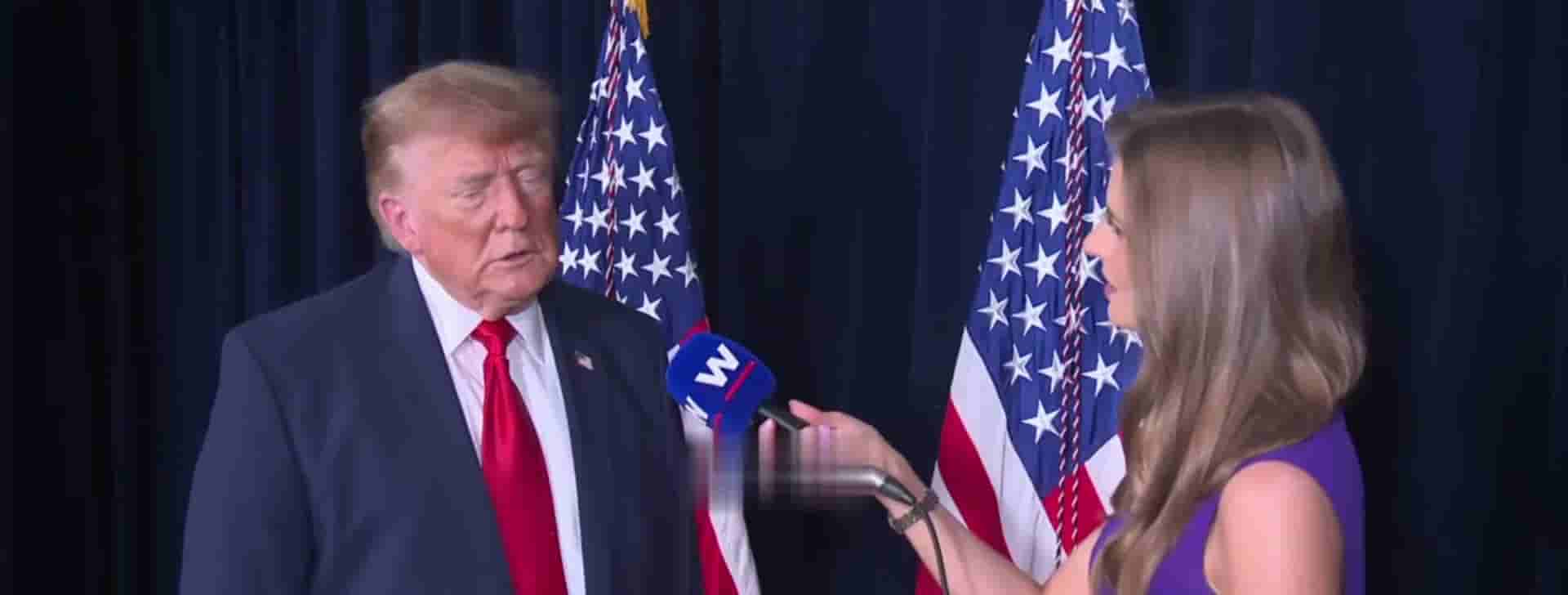
President Donald Trump has not made a final decision but is leaning toward a "large postelection attack" that could target Iranian infrastructure and nuclear sites, the paper said, citing people familiar with his thinking.
The White House declined to comment on "sensitive military plans that may or may not exist," saying the president "keeps all options on the table to ensure that Iran can never have a nuclear weapon." At a rally in Lubbock, Texas, on Tuesday, Trump told supporters: "You'll see Iran in a couple of weeks, if you don't mind," adding that "it will all end very soon."
The White House had said last week that the U.S. would not strike Iran before the midterms. A new campaign would mark a fresh round of fighting: the U.S. and Israel launched a war against Iran on Feb. 28, and Tehran responded with missile and drone attacks across the region and effectively closed the Strait of Hormuz.
Israel readies targets as Iran threatens retaliation
Israel has also prepared plans and targets, and Prime Minister Benjamin Netanyahu continues to push for a resumption of strikes, the Journal reported. Iran has warned that it would respond to any attack by hitting economic and civilian targets across the region. According to the newspaper, Tehran still retains hundreds to thousands of missiles and is assembling new ballistic missiles from stockpiled parts.
Separately, Trump weighed in on Israel's election, claiming that the momentum shifted after he announced his support for Netanyahu and that the Israeli leader had come from behind to make the race a dead heat and could even win. With about half of the ballots counted, Netanyahu's bloc was ahead with 55 seats, still short of the 61 needed for a majority.
Have a story, event or announcement of your own?Send us your news on WhatsApp
Spotted an error in this story?Report it on WhatsApp
Share on all social platforms
Sponsored Ads
Featured Listings
Loading featured properties...
Stay Updated with Ally Daily
Subscribe to be informed about special news, developments and announcements. We will keep you informed.
By signing up, you agree to our Privacy Policy