- BIST10011,722-2.89%
- USD49.45+0.05%
- EUR55.62+0.37%
- GOLD4,181.10+0.26%
- INTEREST37.00%-1.00
- BITCOIN81,434-0.08%
- October 17, 202614°
- BIST10011,722-2.89%
- USD49.45+0.05%
- EUR55.62+0.37%
- GOLD4,181.10+0.26%
- INTEREST37.00%-1.00
- BITCOIN81,434-0.08%
- October 17, 202614°
Webb traces record-breaking radio burst to tiny galaxy in the young universe
A fast radio burst caught by South Africa’s MeerKAT telescope has been traced by NASA’s James Webb Space Telescope to a tiny dwarf galaxy seen 3 billion years after the big bang, the most distant source of such a burst ever found and a clue that magnetars may be behind them.
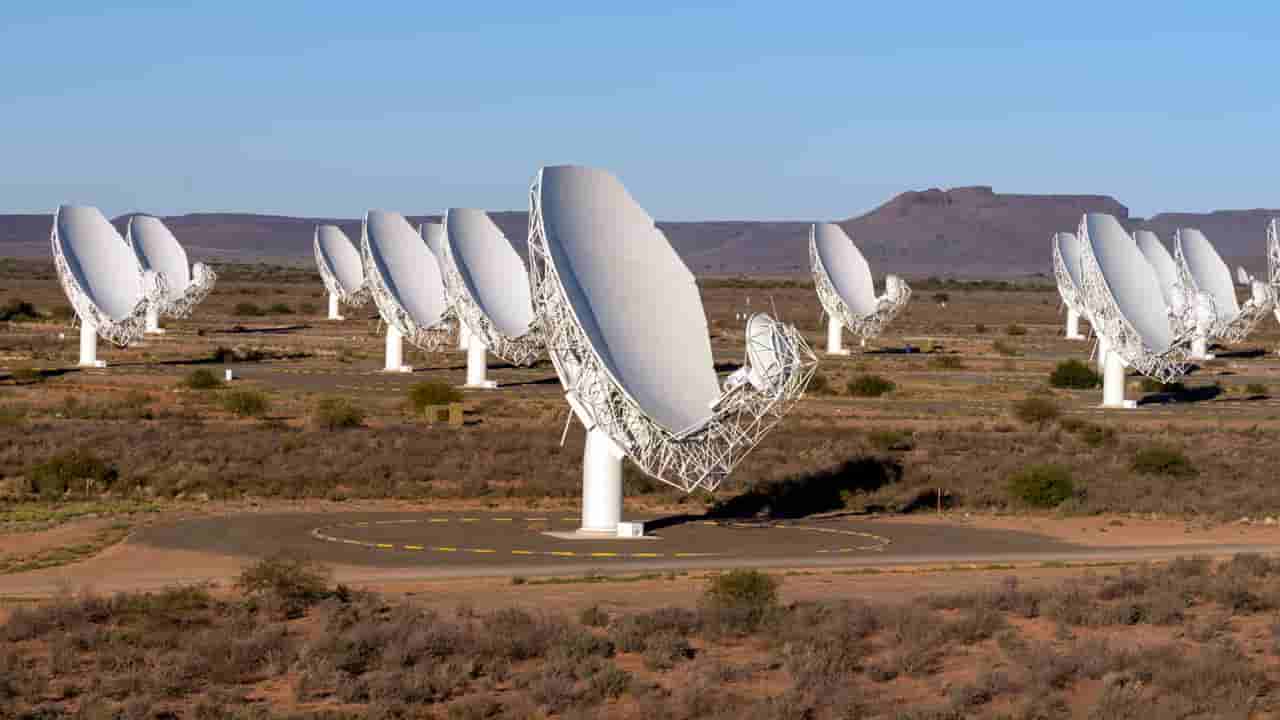
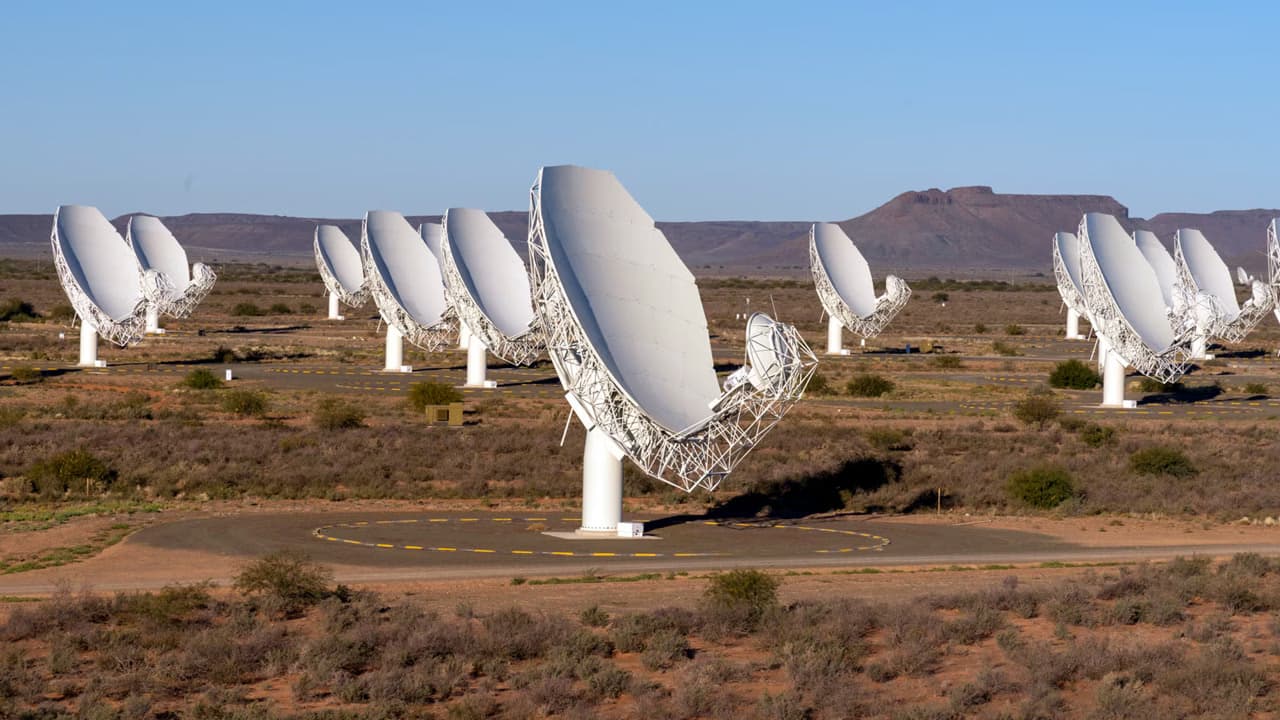
A flash of radio waves lasting mere milliseconds has given astronomers their deepest look yet at where fast radio bursts come from. The signal, FRB 20240304B, left a small galaxy when the universe was only about 3 billion years old and crossed more than 10 billion years of cosmic history before reaching the MeerKAT radio telescope in South Africa on March 4, 2024.
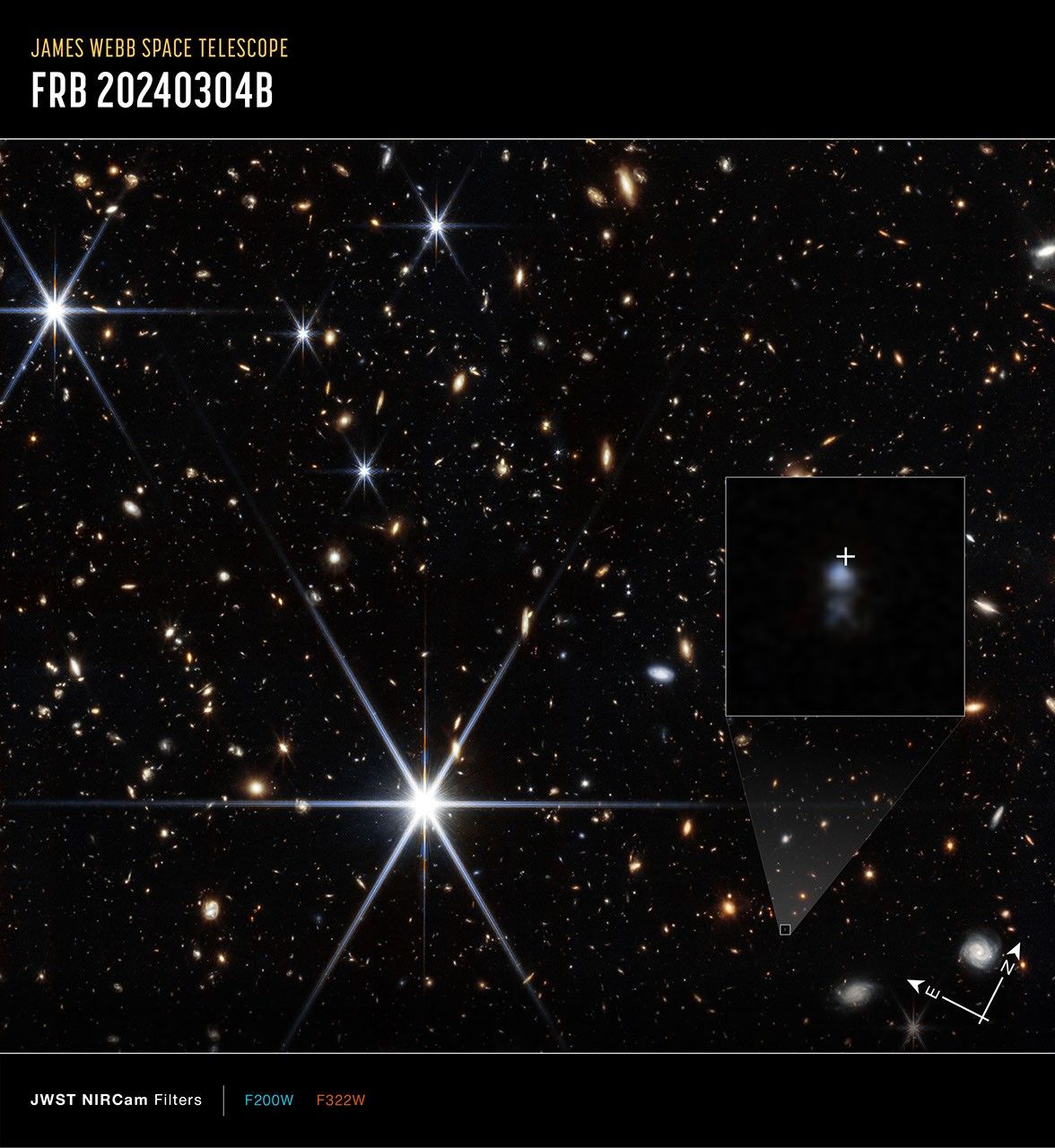
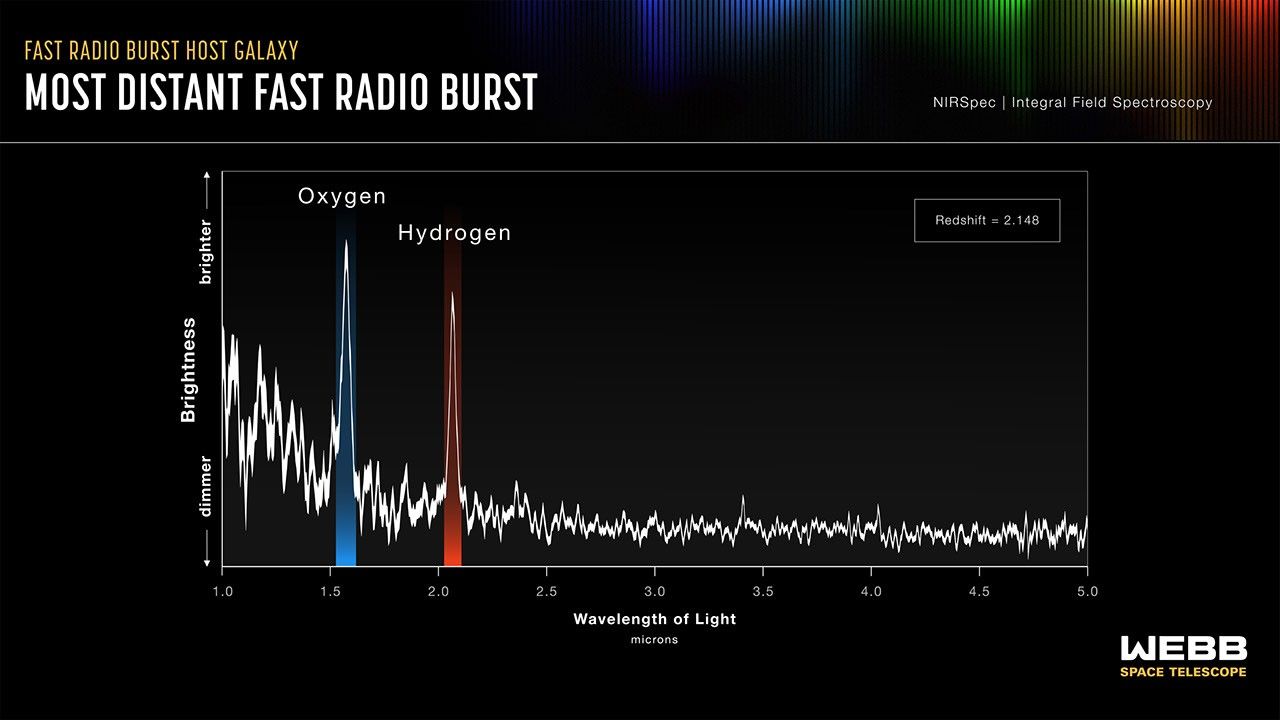
Ground-based telescopes could find nothing at the burst’s precise position. NASA’s James Webb Space Telescope could: its NIRCam camera spotted a faint galaxy at the spot, and its NIRSpec instrument measured a redshift of 2.148, making the burst the most distant ever localized, according to a study published in Science.
Surprising host
Most known FRB hosts are massive star-forming galaxies. This one is about 1,000 times less massive than expected, rich in young stars and poor in heavy elements, with most of its stars likely formed in just 30 million years. "The host sticks out in the whole galaxy sample that we have. And it definitely was not what we were expecting," said co-author Ben Stappers of the University of Manchester.
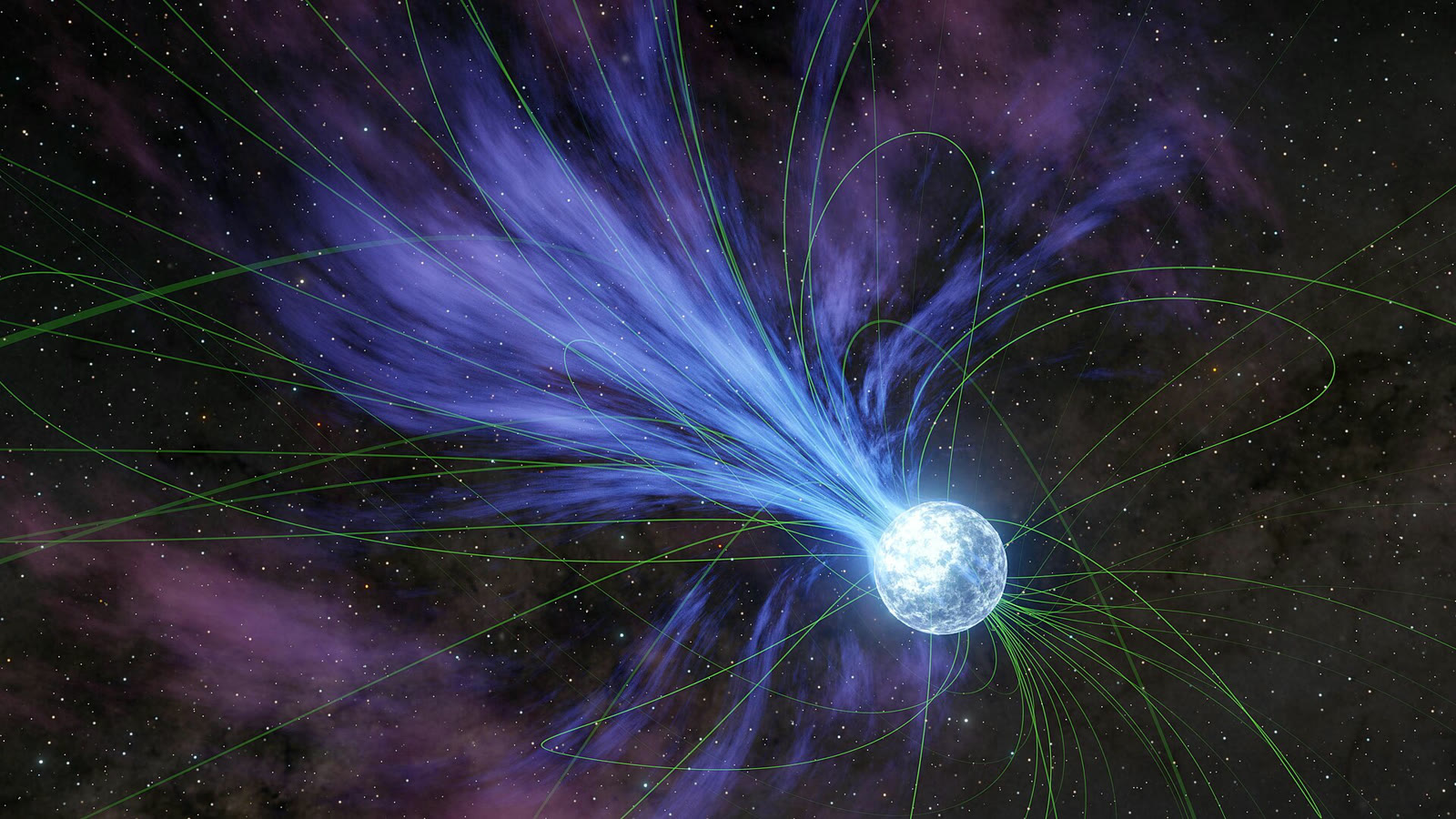
The finding points toward magnetars — young, intensely magnetic neutron stars born in supernovas — rather than slow-forming neutron star mergers as the engine behind such bursts. "Our work suggests that it’s very unlikely that this FRB was produced by a merger," said lead author Manisha Caleb of the University of Sydney.
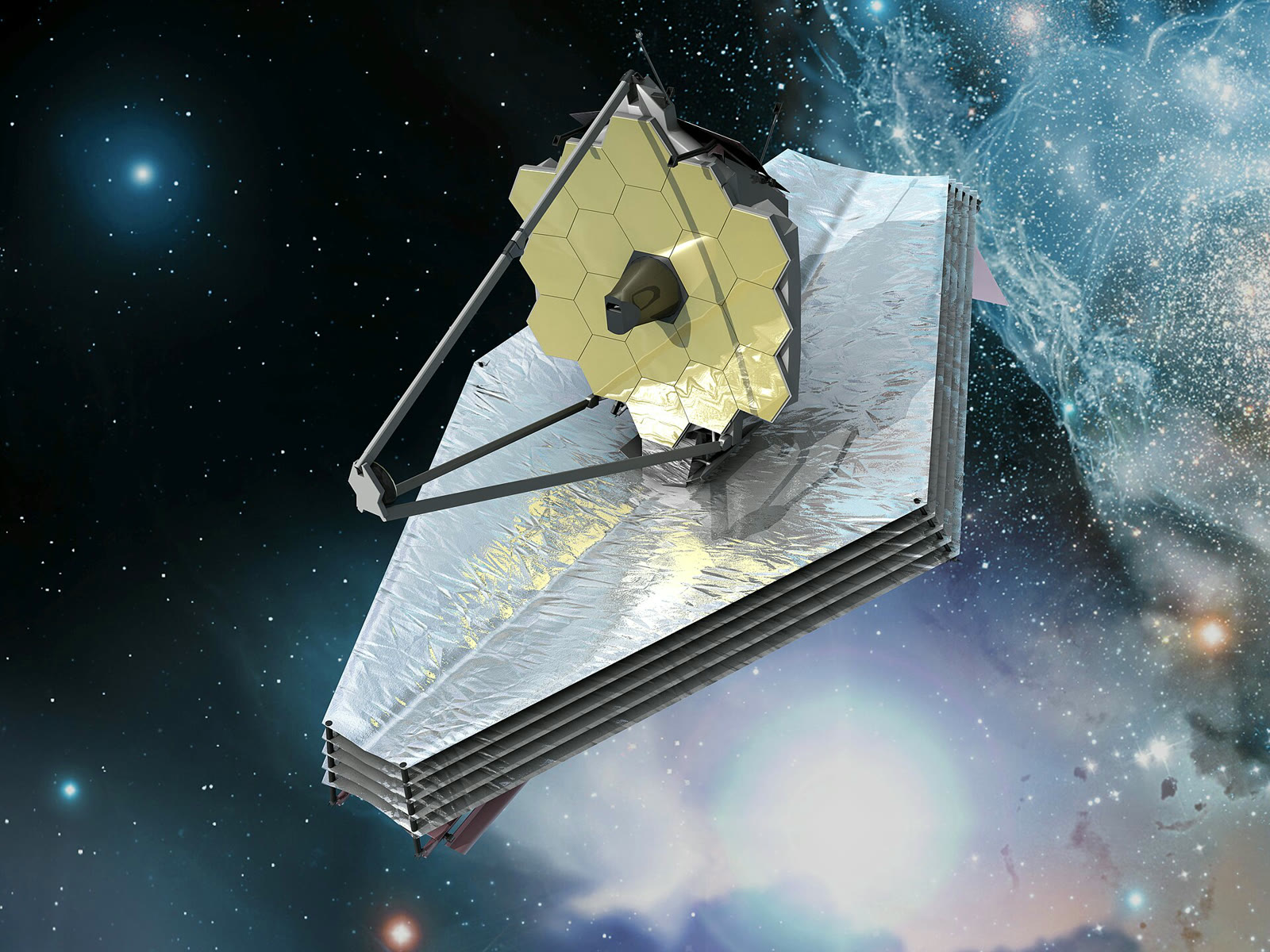
Mapping the invisible universe
Because the burst carries an imprint of everything it passes through, astronomers can use such signals to map otherwise invisible matter. Along its path the team found traces of a previously unknown galaxy cluster about 3.5 billion light-years away and the Virgo Cluster. "Our results further show the amazing capability of Webb where we can push boundaries beyond what was previously possible," said co-author Themiya Nanayakkara.
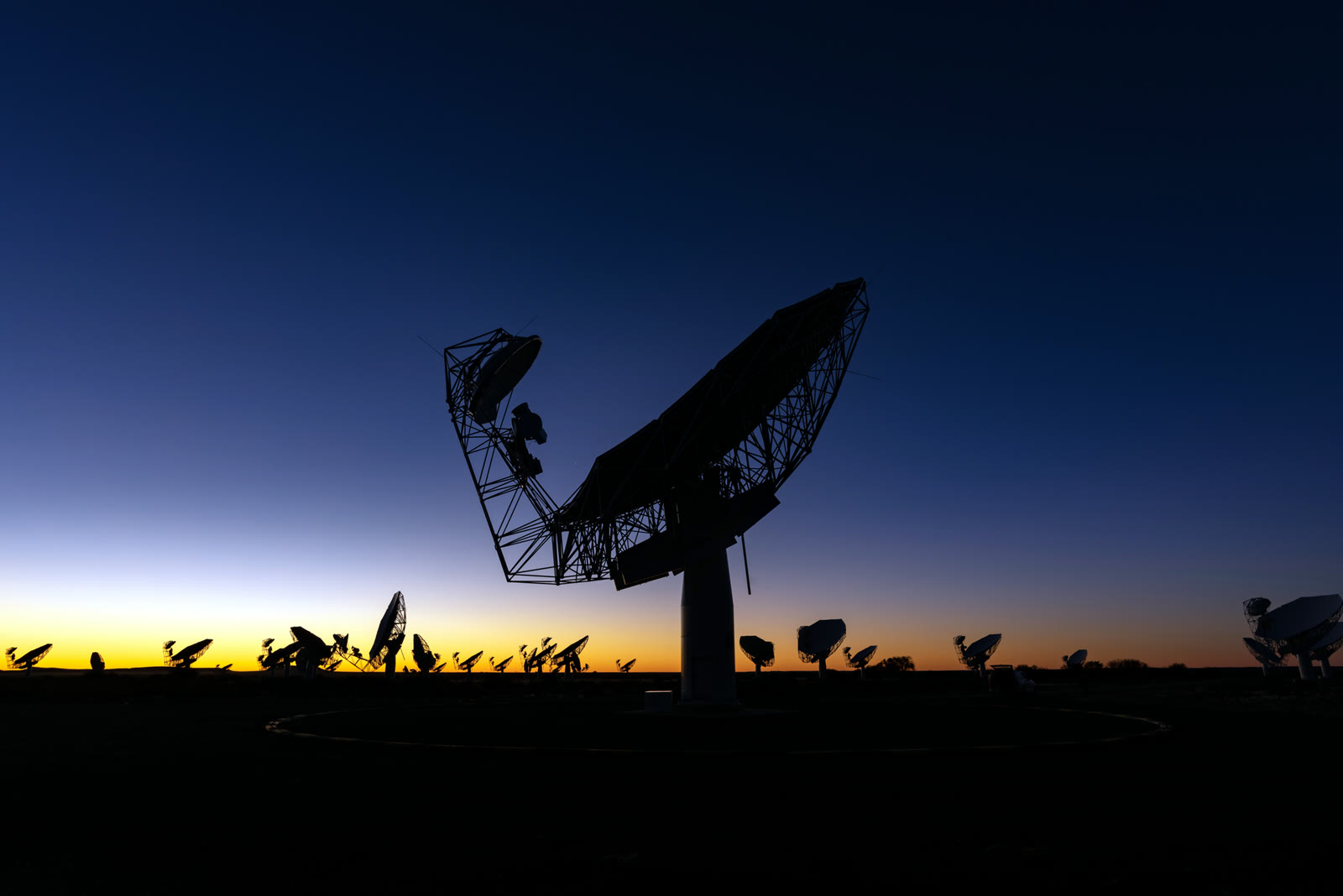
The team expects MeerKAT to localize several FRBs a year from more than halfway back to the big bang, with Webb essential for studying their host galaxies.
Stay Updated with Ally Daily
Subscribe to be informed about special news, developments and announcements. We will keep you informed.
By signing up, you agree to our Privacy Policy