Chinese Foreign Minister Wang Yi said military methods would not produce results in the conflict between Iran and the United States, adding that progress could be achieved through dialogue and negotiations.
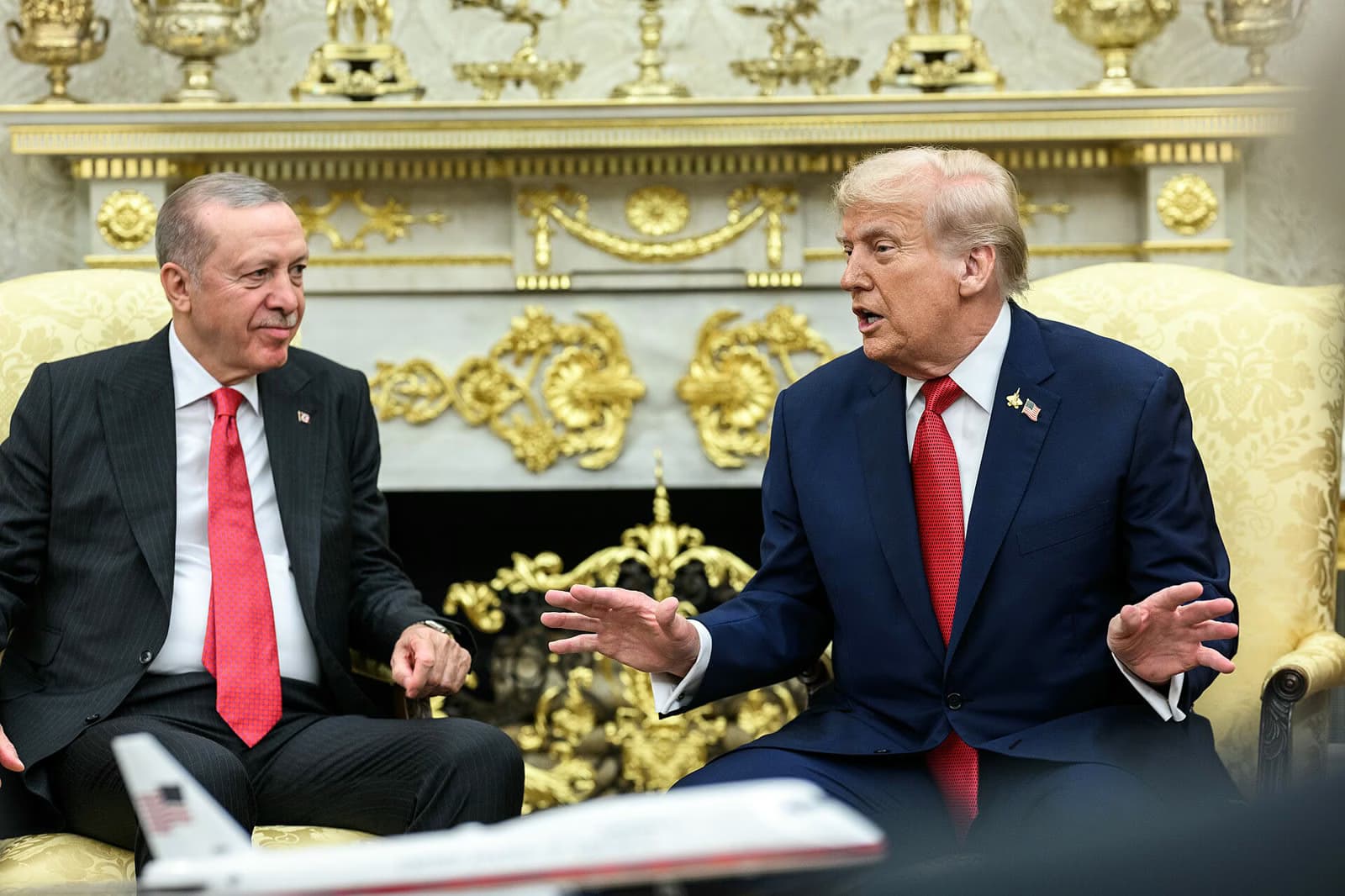
Wang met with Qatar's Prime Minister and Foreign Minister Mohammed bin Abdulrahman Al Thani in Beijing. China's Foreign Ministry said the meeting addressed developments in the Middle East and the Gulf region.
Wang said tensions in the region were having serious effects on security and continued to undermine stability in energy, maritime transport and supply chains.
China calls for respect for regional countries
The Chinese minister said the sovereignty and security of all regional countries must be fully respected. Wang called for the legitimate concerns of all sides to be addressed appropriately and urged the preservation of international law and the fundamental principles governing relations between states.
Wang said China was ready to strengthen communication and coordination with Qatar and other regional countries, adding that Beijing would support the countries in making decisions about their own future and destiny. He said China aimed to restore regional peace and stability as soon as possible and establish a new, fair and equitable regional security architecture.
Dispute over the Strait of Hormuz affected negotiations
The statement came as the United States and Iran were conducting reciprocal military strikes and negotiations between the two countries had stalled over disputes concerning navigation in the Strait of Hormuz. The strait, which is of strategic importance to global energy and commodity transport, lies at the center of the dispute.
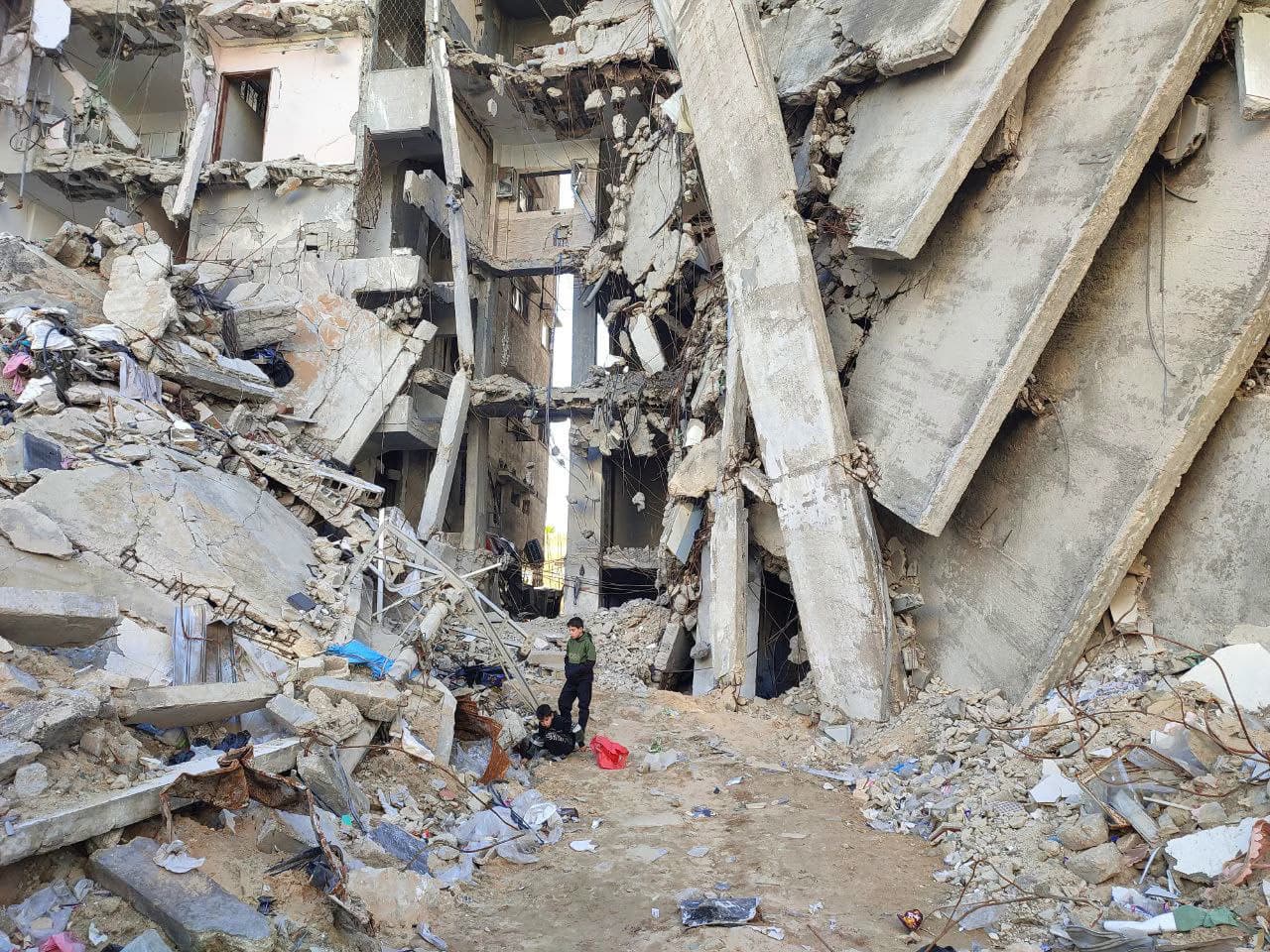
The Chinese Foreign Ministry's text also included an assessment that the United States and Israel had launched a war against Iran on February 28. According to Iran's statement, more than 3,000 people were killed in the attacks, while Iran responded with strikes targeting U.S. assets in the region.
With mediation by Pakistan and Qatar, Washington and Tehran signed a memorandum of understanding in June on halting military operations and reopening the Strait of Hormuz to maritime traffic. However, implementation of the agreement later stalled because of disputes over mutual obligations and passage through the strait, and the fighting resumed in July.