Cuban Foreign Minister Bruno Rodriguez sharply criticized the US embargo at the United Nations General Assembly. In his speech on Tuesday, Rodriguez stated that the Washington administration is waging a "multidimensional, unconventional war" against Cuba that has lasted nearly seventy years and intensified over the past seven months, describing the policy as a "ruthless crime" and "collective punishment" against the people.
Highlighting the scale of the economic damage suffered by Cuba, Rodriguez announced that the embargo caused $8 billion in losses in the March 2025–February 2026 period, a 7 percent increase compared to the same period the previous year. He added that this record figure does not yet include the "extreme impact" of the fuel blockade imposed by the US in February.
US Ambassador to the UN Mike Waltz responded from the podium, claiming "There is no American embargo." Waltz said, "The only embargo in Cuba is the guillotine the regime holds over its own people's heads."
In a vote at the UN General Assembly on Tuesday to determine whether the embargo debate would proceed, 136 countries voted in favor, 9 against, and 30 abstained. Traditional supporters such as Germany and Canada were among those abstaining this time. Since 1992, the UN has annually adopted non-binding resolutions with overwhelming majorities calling for the lifting of the US blockade.
EU Ambassador to the UN Stavros Lambrinidis also said in his speech, "The dire situation of the Cuban people is not solely due to the embargo." Lambrinidis stressed that Cuban authorities must carry out "meaningful political and economic reforms," including respect for human rights, and condemned Havana's alignment with Moscow in Russia's war in Ukraine.
Rodriguez also addressed recent diplomatic contacts between Havana and Washington, saying that as long as US officials view Cuba as "a defeated or conquered enemy, a colonial possession," "no progress has been made and likely never will be."
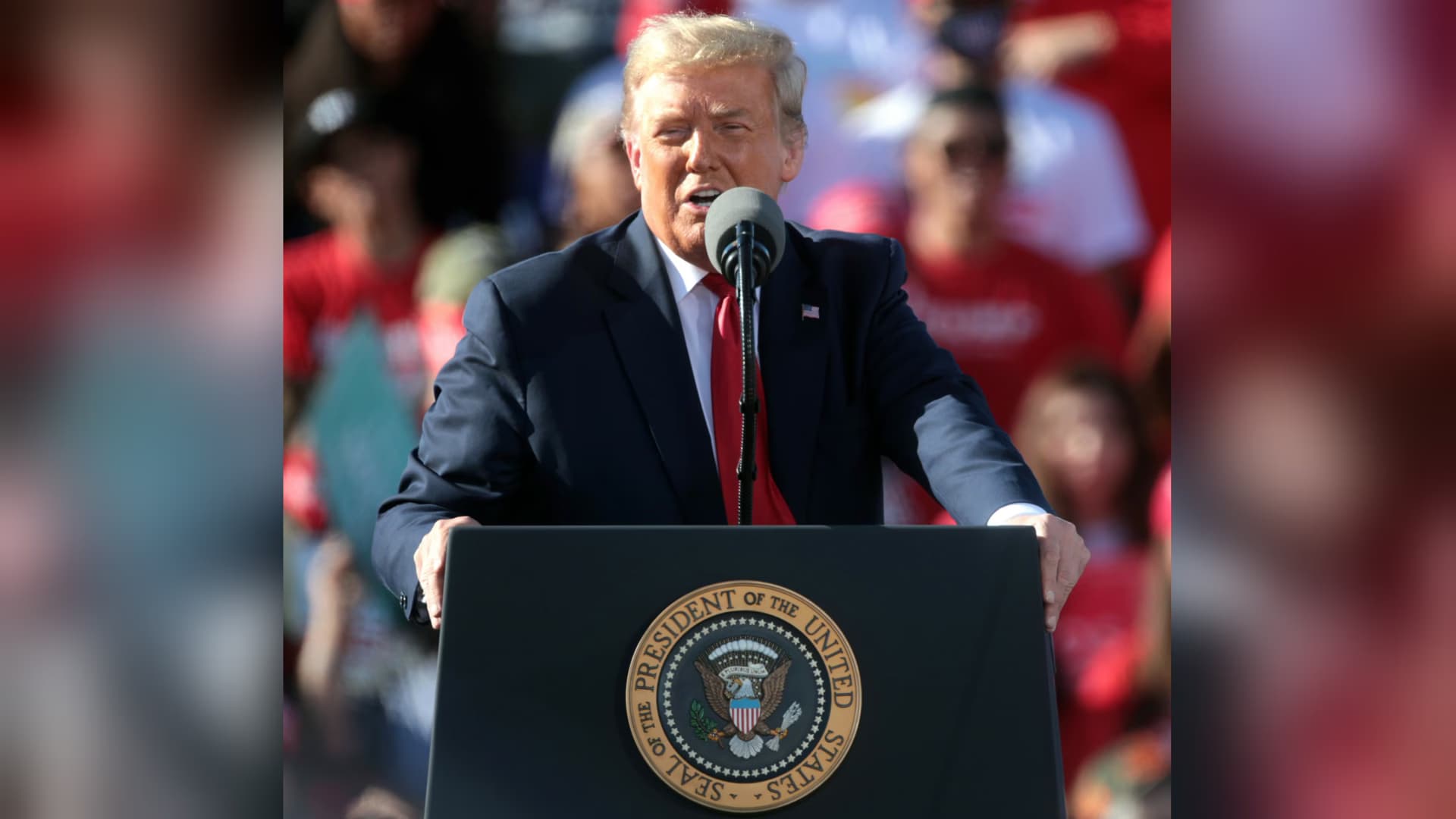
The fuel blockade imposed by US President Donald Trump's January executive order has caused a severe energy crisis in Cuba. Power outages are increasing nationwide, while food, drinking water, and medicine stocks are dwindling. The United Nations has issued a humanitarian emergency warning over the situation.
Ridvan Sezer | Editor-in-Chief