- BIST10011,722-2.89%
- USD49.45+0.05%
- EUR55.62+0.37%
- GOLD4,181.10+0.26%
- INTEREST37.00%-1.00
- BITCOIN81,434-0.08%
- October 17, 202614°
- BIST10011,722-2.89%
- USD49.45+0.05%
- EUR55.62+0.37%
- GOLD4,181.10+0.26%
- INTEREST37.00%-1.00
- BITCOIN81,434-0.08%
- October 17, 202614°
Hochul declares state disaster emergency as measles cases climb in New York
Gov. Kathy Hochul signed an executive order expanding who can vaccinate and test for measles after the state confirmed 108 cases this year, most of them outside New York City.
Ally Daily Editorial DeskUpdated:


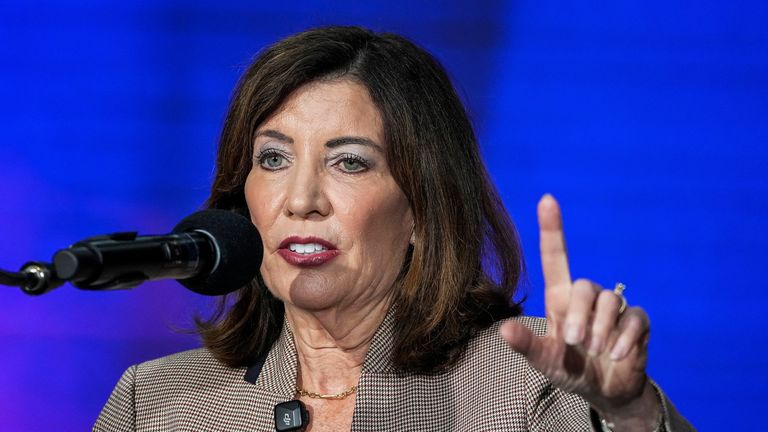
Gov. Kathy Hochul declared a State Disaster Emergency over measles on Monday, Oct. 5, signing an executive order aimed at speeding up vaccination and testing as cases keep rising across New York.
“After reviewing the latest data on measles cases in New York state, I am declaring a State Disaster Emergency to strengthen our ongoing efforts to confront this disease,” Hochul said.
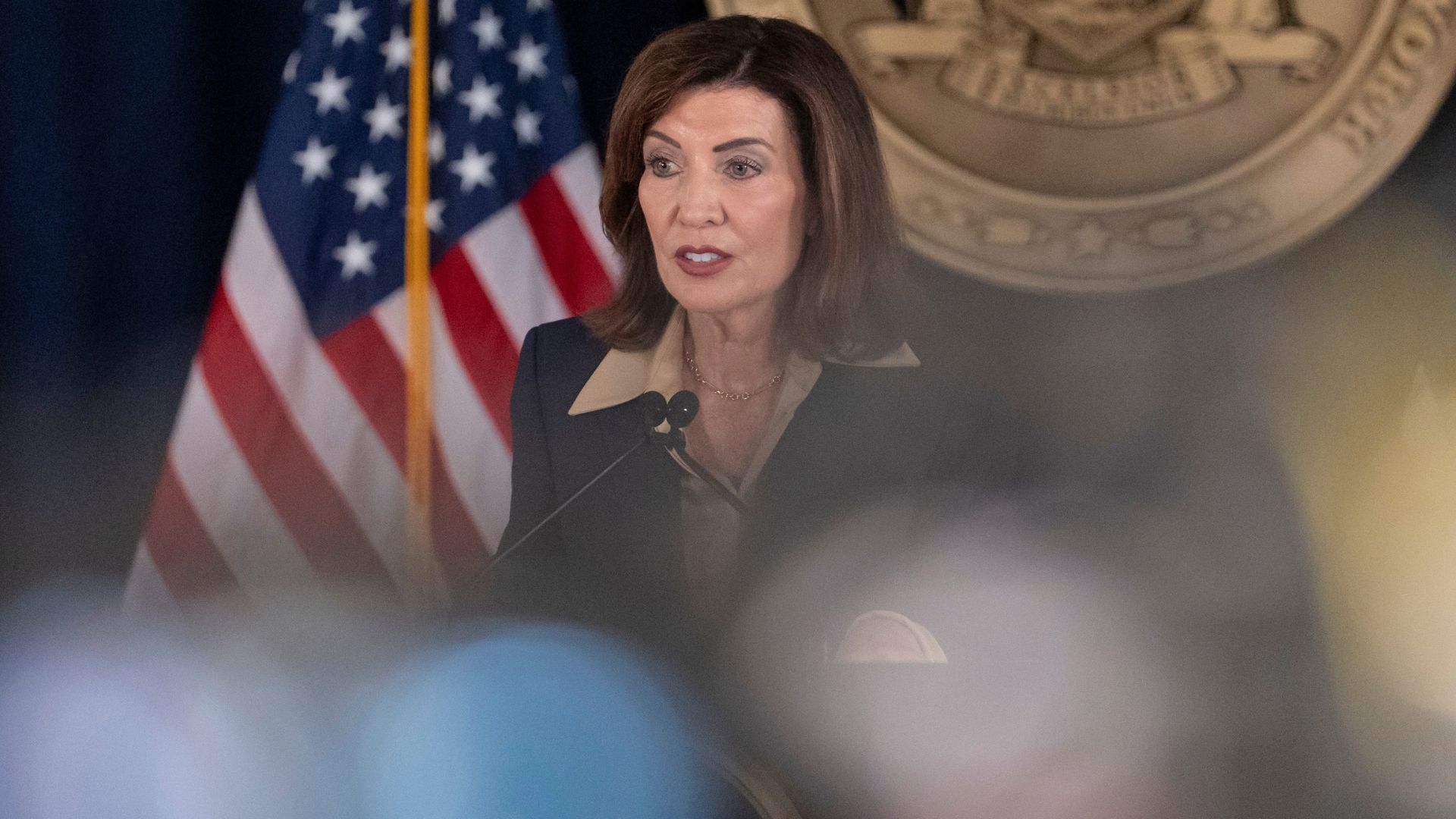
The state Department of Health has confirmed 108 measles cases so far this year, seven of them in New York City and 101 in the rest of the state. Since July 15, 92 cases have been reported among under-immunized rural communities in 18 counties.
More health workers can give the shot
Under the order, paramedics, advanced emergency medical services providers, pharmacists, midwives and other health professionals are allowed to administer the measles vaccine, and nurses, not only physicians, can order measles tests.
“No one should get seriously ill or die from a vaccine-preventable disease,” Hochul said, adding that the emergency measures were meant to protect New Yorkers and support the state’s community partners.
State Health Commissioner Dr. James McDonald called the measles, mumps and rubella (MMR) vaccine the best protection against the disease and urged residents to check their vaccination status. The state launched a public measles dashboard in September to track cases by county.
A record year nationwide
The outbreak in New York is part of a wider surge. The Centers for Disease Control and Prevention has counted 3,887 measles cases across the U.S. so far in 2026, compared with 2,289 in all of 2025. About 95% of patients were unvaccinated or had an unknown vaccination status.
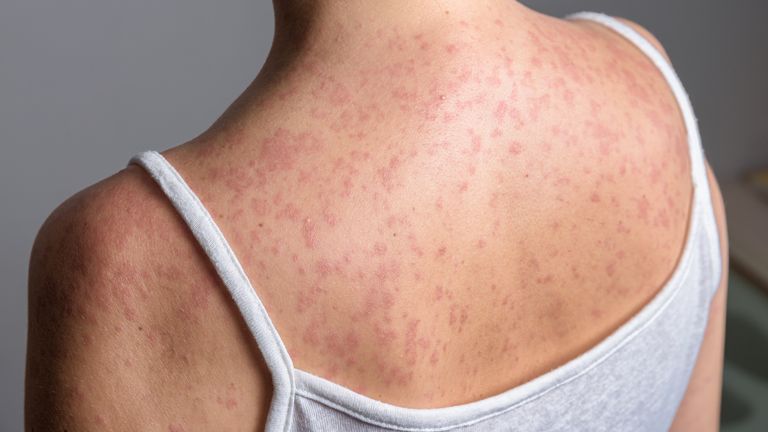
Symptoms usually appear seven to 14 days after exposure, though it can take up to 21 days. The illness typically begins with a high fever, cough, runny nose and red, watery eyes, followed by a rash.
Stay Updated with Ally Daily
Subscribe to be informed about special news, developments and announcements. We will keep you informed.
By signing up, you agree to our Privacy Policy