- BIST10011,722-2.89%
- USD49.45+0.05%
- EUR55.62+0.37%
- GOLD4,181.10+0.26%
- INTEREST37.00%-1.00
- BITCOIN81,509+0.01%
- October 17, 202613°
- BIST10011,722-2.89%
- USD49.45+0.05%
- EUR55.62+0.37%
- GOLD4,181.10+0.26%
- INTEREST37.00%-1.00
- BITCOIN81,509+0.01%
- October 17, 202613°
IMF says US interest-rate expectations have become more sensitive to public debt
The IMF said in its assessment of the Fiscal Monitor that US data show long-term interest-rate expectations have become more sensitive to public debt. Global public debt is expected to exceed 100% of world GDP by 2030, while governments’ average borrowing cost is projected to rise to 3.7% by 2031.


The IMF warned that the link between high debt levels and rising interest rates has strengthened, potentially increasing budget deficits and debt stocks, particularly in highly indebted economies.
In a blog post on the IMF’s Fiscal Monitor, the fund said high debt has intensified the interaction between fiscal policy and interest rates. As debt rises, market interest rates become more sensitive to fiscal developments, while increases in policy rates can add to pressure on public finances.
US data show rising debt sensitivity
US data indicate that expectations for long-term interest rates have become more sensitive in recent years to projected public debt.
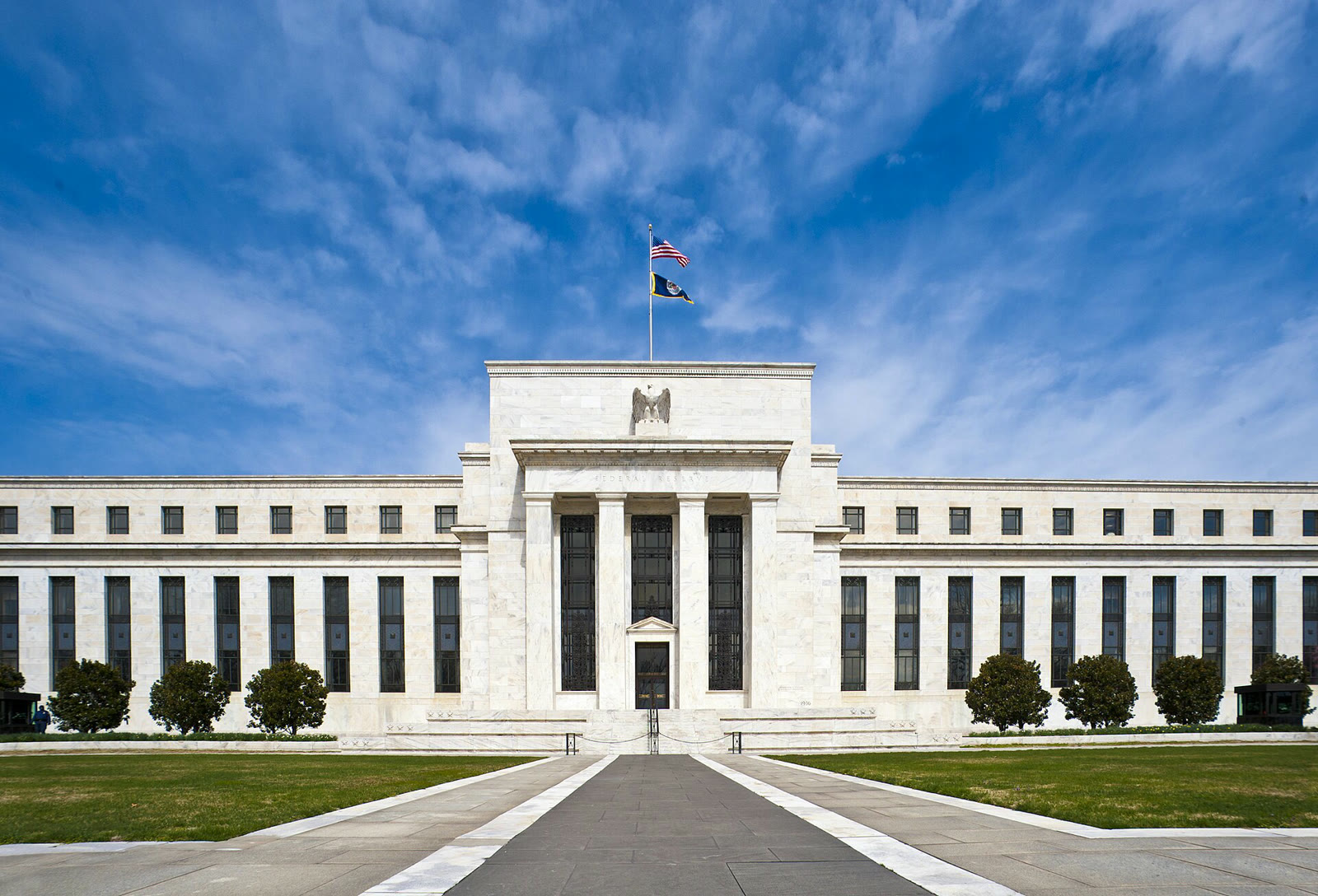
Long-term government bond yields also rose sharply in major advanced economies. The average 10-year government bond yield in G7 countries increased by more than 1 percentage point between February and September, reaching its highest level in nearly 20 years.
Global public debt is expected to exceed 100% of global GDP by 2030. The last time it reached this level was immediately after World War II.
Pressures driving bond yields higher
An oil-price shock, persistent inflation, strong investment demand and higher growth expectations linked to artificial intelligence investment were among the factors driving bond yields higher in advanced economies.
High debt levels, mounting spending pressures and expectations of large-scale bond issuance in the coming years are also raising long-term borrowing costs. Rising bond yields in major economies could spill over into other countries and adversely affect their debt dynamics.

Interest payments squeeze public resources
Governments’ average borrowing cost is expected to rise from 2.3% in 2021 to 3.7% by 2031. Higher interest payments could reduce the resources available for public investment and social spending.
In some advanced economies, refinancing debt at shorter maturities could cause increases in policy rates to pass through more quickly to public borrowing costs. The need for central banks to keep interest rates high for longer could also worsen debt dynamics.
IMF calls for medium-term plans
High debt levels and short-term borrowing could make it more difficult to restore price stability, while fiscal concerns could push market interest rates even higher.
The IMF said highly indebted advanced economies should adopt concrete measures based on credible medium-term plans and realistic assumptions. These steps are expected to place debt on a sustainable path, limit borrowing costs and reduce adverse effects on other countries.

Emerging economies need to reduce their fiscal vulnerabilities and strengthen debt management. In low-income countries with limited access to external financing, tax systems should be strengthened and public spending made more efficient to protect priority expenditures.
Delaying fiscal adjustment could further narrow policy options by increasing the interest burden and fiscal vulnerabilities. Such delays could make the measures needed to stabilize debt more extensive and costly.
Stay Updated with Ally Daily
Subscribe to be informed about special news, developments and announcements. We will keep you informed.
By signing up, you agree to our Privacy Policy