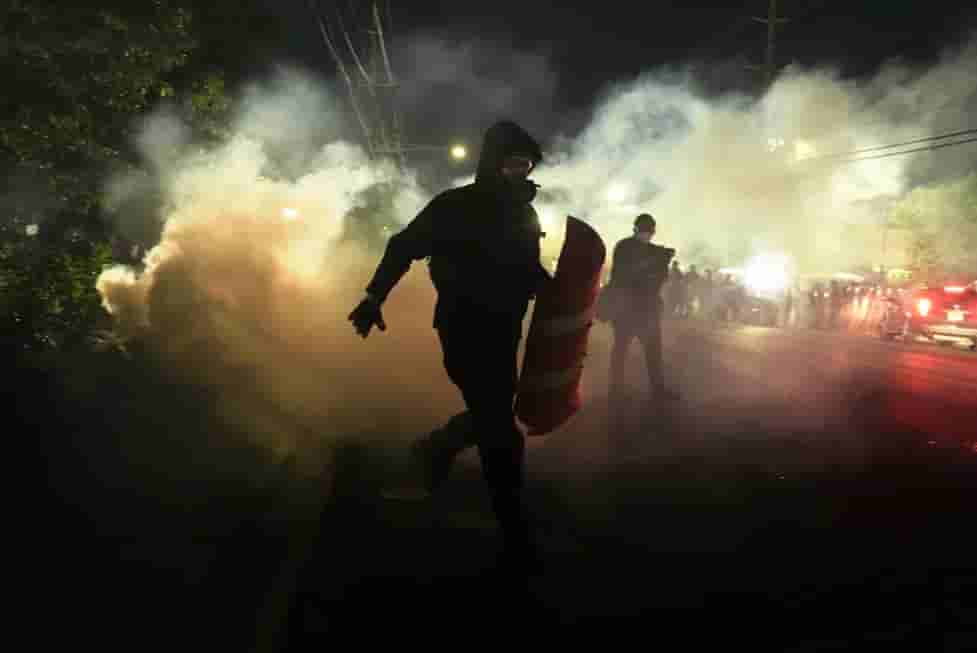
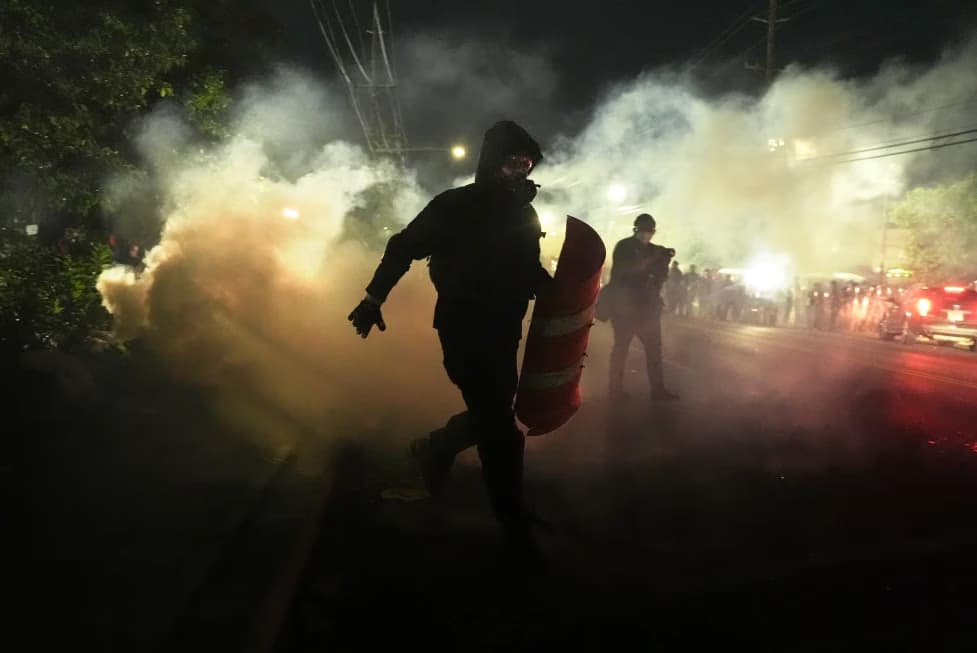
The mass crossing attempt around the Spanish-administered Ceuta between July 29 and 31 once again highlighted the scale of irregular migration between Morocco and Europe. Those who headed toward the border area included Moroccan nationals as well as people from other countries.
Authorities give different figures
After the crossing attempt, Moroccan authorities put the number of participants at approximately 40,000. Spanish authorities, however, said the figure exceeded 70,000.
Ceuta authorities said more than 69,000 people had returned to Morocco and that between 3,000 and 5,000 migrants remained in the city. Most of the people were sent back to Fnideq in northern Morocco.
The Moroccan administration claims sovereignty over Ceuta, located on Morocco’s northern coast and administered by Spain.
Economic and social factors behind migration decisions
Moroccan migration expert Khalid Menna said unemployment, limited opportunities for social participation and expectations about the future were among the factors that drove some young people to join the crossing attempt.
Menna said that, alongside unemployment and weak social integration opportunities, a narrowing outlook for the future could again strengthen the desire to migrate. He said that reducing irregular migration required awareness campaigns as well as measures supporting youth employment and social integration.
The Moroccan National Human Rights Council said the mass crossing attempts by young people and children toward Ceuta could not be explained solely by poverty and vulnerability. The council said changes in expectations and the impact of digital communities on mobility and perceptions of borders also needed to be examined.
Digital groups and movement toward the border
The council said it had monitored images, testimonies and digital content related to the events. The council found that 23 Facebook groups had more than 1.086 million members in total and that more than 1,400 posts were shared in those groups each day.
The council said five major groups were deleted on July 30. Menna said social media posts suggesting that crossing into Ceuta was possible encouraged large numbers of people to head toward the border area.
Menna said the impact of these messages was connected to a pre-existing desire to migrate among some people. He assessed that information about the possibility of crossing supported their decision to take action.
Debate over border policies in Europe
Menna said the scale of the wave of crossings increased its repercussions across Europe. He said that, in Europe, where border management and policies toward migrants are being debated, the rise of far-right parties in some countries had hardened political rhetoric on migration.
Menna said the events in Ceuta were part of a broader process in which border controls and deterrent measures against irregular migration had gained importance in Europe. He added that similar developments were influencing these debates.
Injuries and detentions
The Moroccan National Human Rights Council also shared its observations on the level of assistance provided to irregular migrants in Ceuta. The council said the city administration had ordered restaurants, cafes and large stores to close during the events, affecting access to water and food.
The council also said it had identified attacks against migrants involving xenophobia and racism. In the incidents, 136 civilians sustained minor injuries; 13 people were taken to hospital, particularly because of fractures and the need for medical examinations.
Eighty-seven personnel from Morocco’s public security forces received medical consultations and treatment. No data were released on injuries among Spanish security forces.
Approximately 100 people were detained in connection with the events. Eleven of those detained were children.
Social policies needed for a lasting solution
Menna said border management needed to be pursued alongside policies that expand employment, education and social integration opportunities in order to prevent similar waves of crossings.
Menna said security-focused measures and awareness campaigns could temporarily reduce crossing attempts, but added that a lasting solution required addressing the economic and social causes of irregular migration together.