- BIST10011,722-2.89%
- USD49.45+0.05%
- EUR55.62+0.37%
- GOLD4,181.10+0.26%
- INTEREST37.00%-1.00
- BITCOIN81,580+0.10%
- October 17, 202611°
- BIST10011,722-2.89%
- USD49.45+0.05%
- EUR55.62+0.37%
- GOLD4,181.10+0.26%
- INTEREST37.00%-1.00
- BITCOIN81,580+0.10%
- October 17, 202611°
Nepal PM Balendra Shah at UN: “Flawless Logistics for War, Broken Logistics for Food”
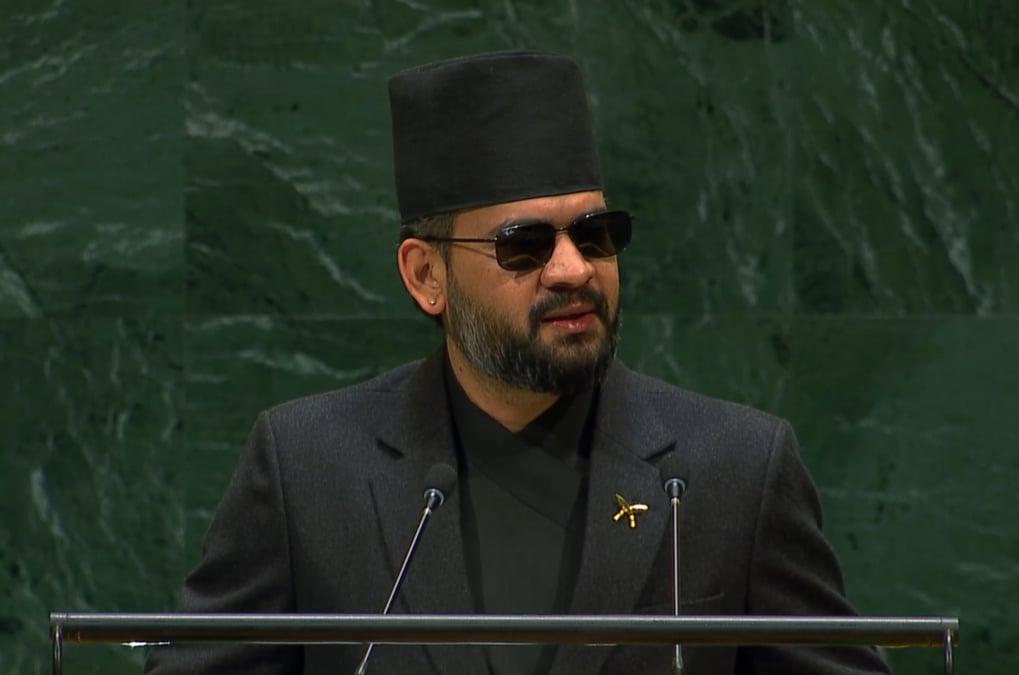
Nepalese Prime Minister Balendra Shah delivered a sharp critique of the global system at the UN General Assembly, saying weapons move across borders efficiently while countries struggle to secure food, fuel and fertilizer. He also warned that South Asia is paying the price for climate change and wars it did not create.


Nepalese Prime Minister Balendra Shah criticized global inequalities in supply chains, climate responsibility and access to essential resources during his address to the 81st United Nations General Assembly in New York.
Shah contrasted the speed at which weapons can move around the world with the difficulties faced by farmers and ordinary people trying to obtain essential supplies such as fertilizer, fuel and food.
“We have built a world with flawless logistics for war and broken logistics for food,” Shah told the General Assembly.
He said Nepal’s experience was not unique, pointing to Bangladesh, Bhutan, India, the Maldives, Pakistan and Sri Lanka as countries facing similar pressures.
Shah argued that countries across South Asia are being hit by the consequences of climate change despite contributing comparatively little to the problem, while also suffering from disruptions caused by wars they did not start.
The Nepalese prime minister used his speech to call for climate justice, stronger international cooperation and faster access to climate finance for vulnerable countries.
He also proposed a Himalayan Climate Resilience Mechanism involving Nepal, India and China, aimed at strengthening regional cooperation on glacier monitoring, data sharing and early-warning systems.
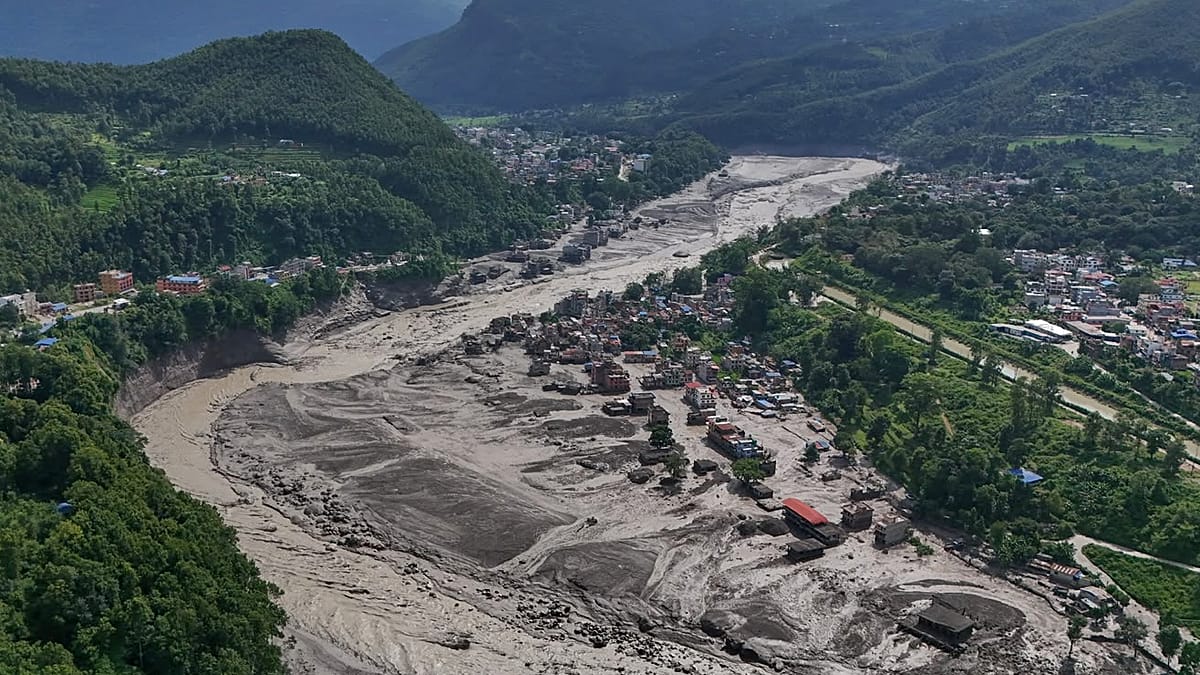
Shah said Nepal’s recent devastating floods demonstrated the growing risks facing Himalayan communities and warned that the disaster should be viewed as a warning to the wider world.
Stay Updated with Ally Daily
Subscribe to be informed about special news, developments and announcements. We will keep you informed.
By signing up, you agree to our Privacy Policy