- BIST10011,722-2.89%
- USD49.45+0.05%
- EUR55.62+0.37%
- GOLD4,181.10+0.26%
- INTEREST37.00%-1.00
- BITCOIN81,434-0.08%
- October 17, 202614°
- BIST10011,722-2.89%
- USD49.45+0.05%
- EUR55.62+0.37%
- GOLD4,181.10+0.26%
- INTEREST37.00%-1.00
- BITCOIN81,434-0.08%
- October 17, 202614°
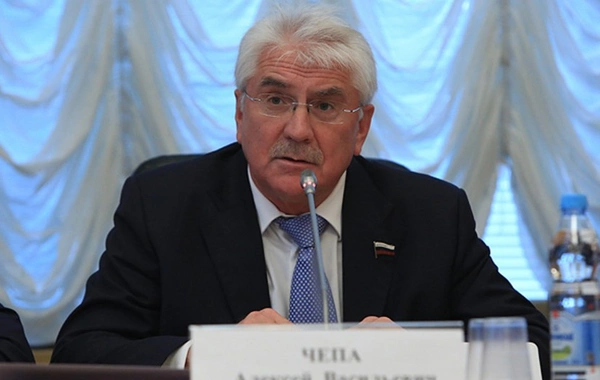
Russian MP Chepa says U.S. and China have reached limits of mutual pressure
Aleksey Chepa said Chinese President Xi Jinping’s state visit to the United States on Sept. 23-25 showed that Washington and Beijing had reached the limits of their ability to exert mutual pressure. Chepa said the two countries were moving toward stable relations and coexistence among major powers.


Aleksey Chepa, first deputy chairman of the Russian State Duma Committee on International Affairs, viewed Chinese President Xi Jinping’s contacts in the United States as a sign that Washington and Beijing had reached the limits of their ability to exert pressure on each other.
Xi made a state visit to the United States on Sept. 23-25 at the invitation of U.S. President Donald Trump. Chepa said it was significant that the visit in Washington concluded without any new developments that would cause a major stir.
Chepa argued that the United States could no longer impose terms unilaterally by relying on its economic, technological and military superiority. He said Beijing was also not interested in a destructive conflict.
According to the Russian lawmaker, Washington and Beijing are increasingly being forced to negotiate. Chepa said the two countries had affirmed a path toward stable relations and coexistence among major powers.
Chepa said Donald Trump had placed pragmatism and transactional diplomacy at the forefront. He assessed that this approach strengthened the search for mutual agreements rather than direct conflict in U.S.-China relations.
Chepa identified Taiwan and the Strait of Hormuz as particularly important issues and said the United States was not interested in a direct war with China. He said Beijing was interested in stable energy supplies from the Middle East.
Chepa said a tangible basis had emerged for reaching pragmatic agreements in these areas. He said that if the current trend continued, the process could move beyond a temporary pause and develop into broader multilateral de-escalation.
The Russian lawmaker said the view that major powers must reach agreement on the rules of coexistence rather than dictate terms was once again becoming prominent in global politics.
Stay Updated with Ally Daily
Subscribe to be informed about special news, developments and announcements. We will keep you informed.
By signing up, you agree to our Privacy Policy