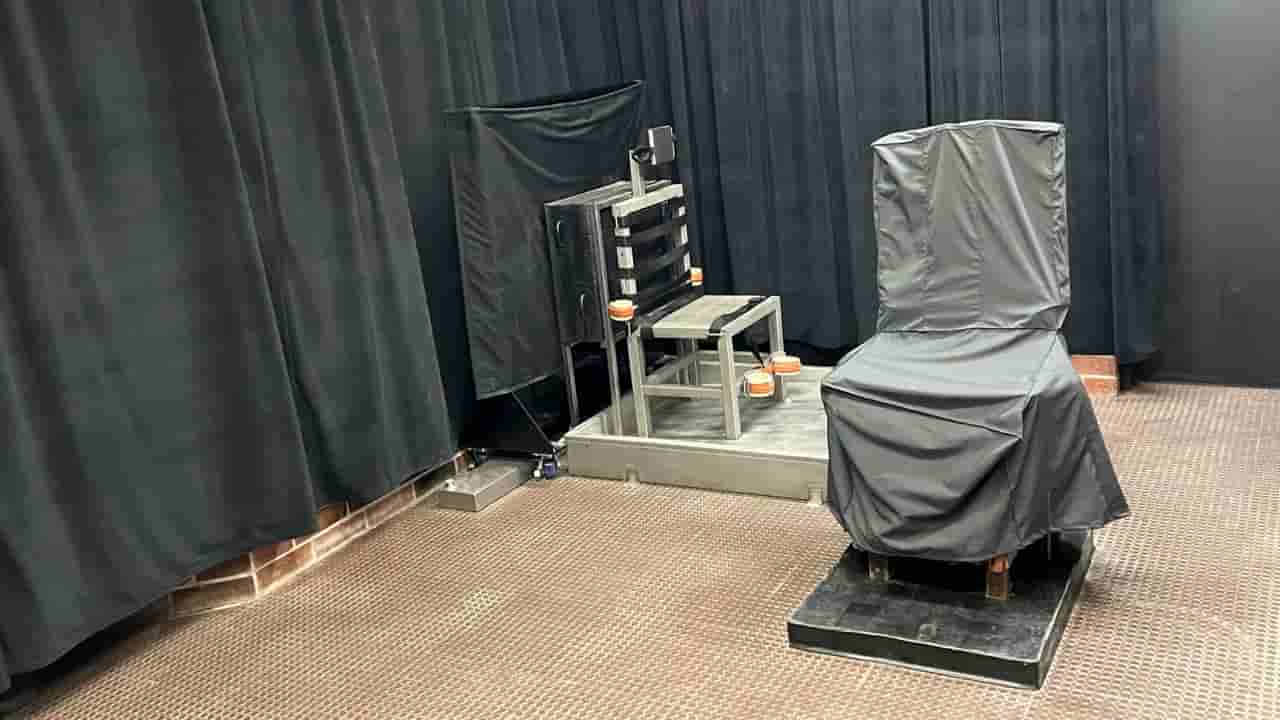
President Donald Trump has approved the execution by firing squad of Nidal Hasan, the former U.S. Army psychiatrist who killed 13 people in a 2009 shooting rampage at Fort Hood, Texas. It would be the first U.S. military execution in more than six decades and the first carried out by firing squad since World War II.
Pentagon spokesperson Sean Parnell announced the decision on X, writing: "Judgement day for Hasan has finally come." Army Secretary Adam Telle said in an order that the execution will take place at Fort Hood on Dec. 3. Parnell said Trump acted on the recommendation of Defense Secretary Pete Hegseth, who last year vowed to ensure the death penalty was carried out.
The 2009 attack
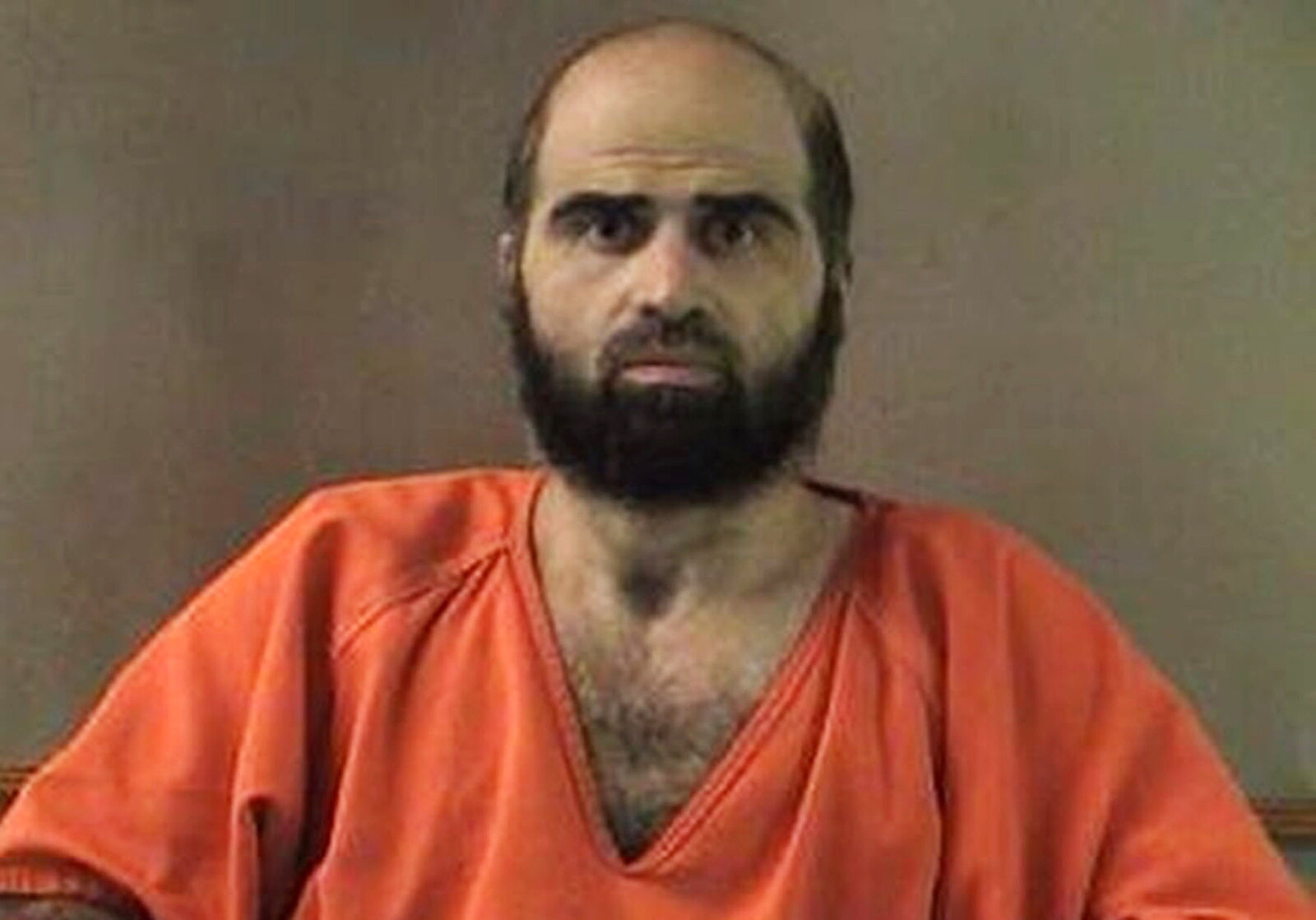
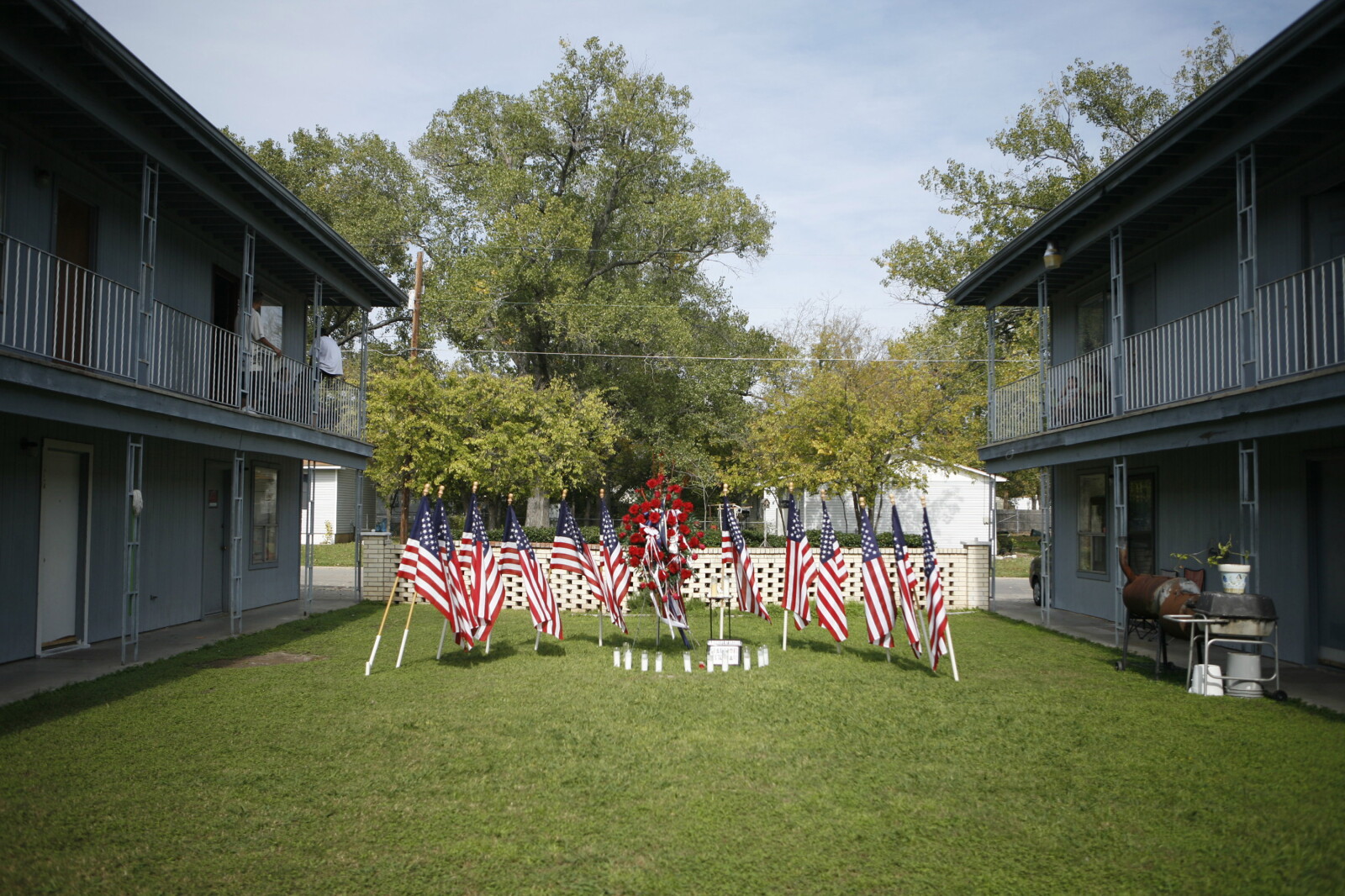
In November 2009, Hasan, then an Army major and psychiatrist, opened fire at a Fort Hood processing center where troops were preparing to deploy to Afghanistan, killing 13 people and wounding 32. He was shot and paralyzed from the waist down by civilian security officers. Representing himself at his 2013 court-martial, he admitted to the shooting and said he had turned against the United States over its military actions in the Middle East. He was sentenced to death; his appeals ended when the Supreme Court denied his final petition in spring 2025.
Hasan is one of four people on military death row, all held at the U.S. Disciplinary Barracks at Fort Leavenworth, Kansas.
Execution not necessarily imminent
Robin Maher, executive director of the Death Penalty Information Center, said Hasan could still delay the process by filing a habeas corpus petition in federal court. "That does not mean that his execution will be imminent," she said, pointing to Ronald Gray, whose death sentence was approved in 2008 and who remains on military death row.
A rare method with a long history
The U.S. military last used a firing squad in 1945, when Private Eddie Slovik was executed in France for desertion. Its last execution of any kind came in 1961, when Private John Bennett was hanged. Army regulations changed in 2023 to leave the method of execution to the president’s discretion; once approved, the Army secretary sets the time and place within 60 to 150 days.
The decision comes amid renewed debate over execution methods following a botched lethal injection in Tennessee. The Justice Department made firing squads available for federal executions earlier this year, and seven states now list them as a method.