US President Donald Trump rejected Saudi Arabia’s request for direct air operations against the Houthis. The decision came as the Houthis captured Yemen’s strategic coastal city of Mokha and advanced toward the Bab el-Mandeb Strait.
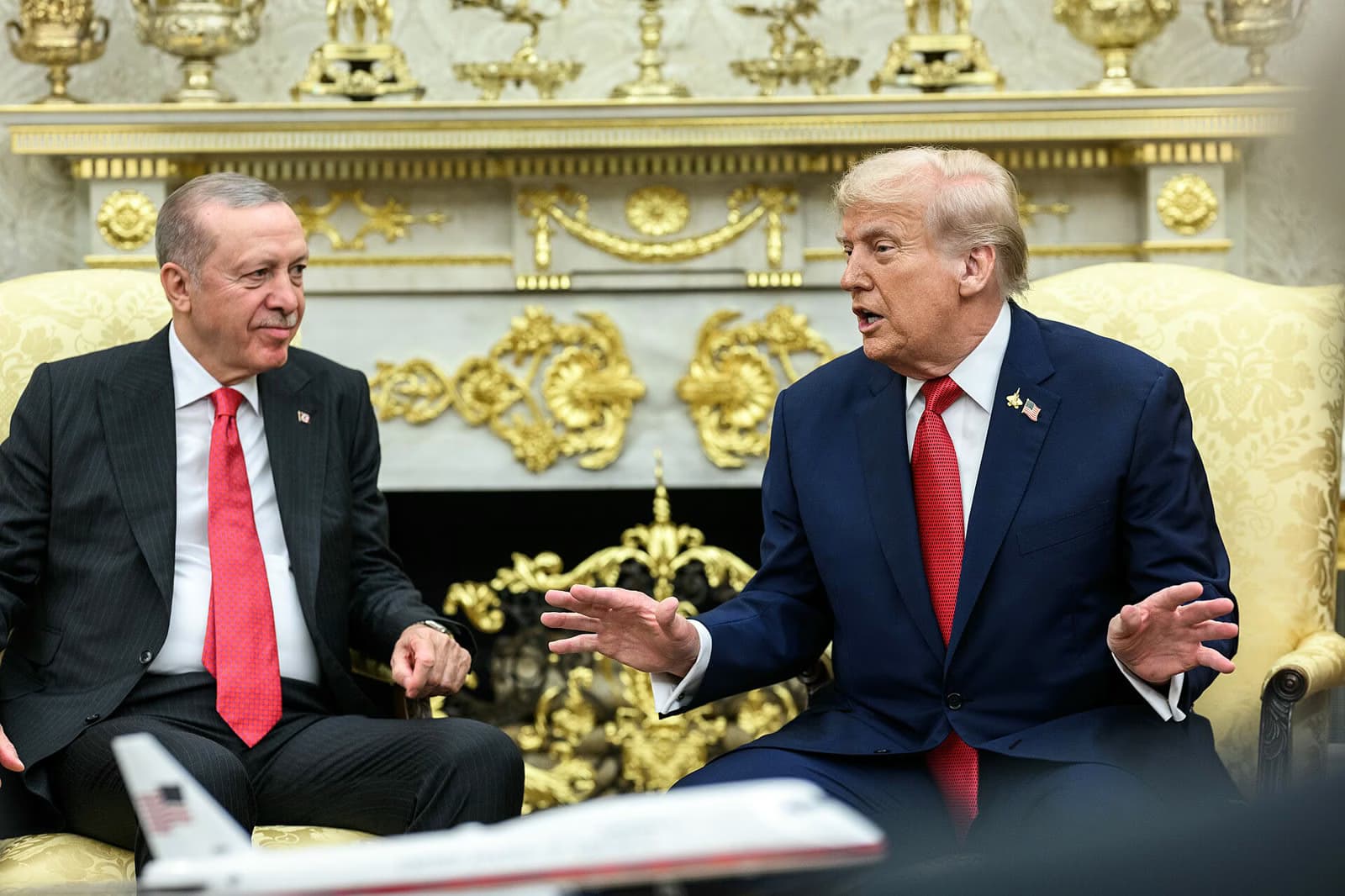
Saudi Crown Prince Mohammed bin Salman spoke with Trump twice within a short period. During the first conversation, they discussed the withdrawal of allied Yemeni forces. Hours later, bin Salman requested direct US military intervention during a second conversation.
Trump rejected the request in order to maintain his strategic focus on Iran and the Strait of Hormuz and avoid opening a new theater of conflict.
Washington to provide intelligence support
Instead of conducting airstrikes, the United States agreed to provide Saudi forces with intelligence and targeting information for use in operations. This support will continue alongside the work of around 200 US military personnel carrying out advisory and coordination duties in Saudi Arabia.
Admiral Brad Cooper, commander of US Central Command, was also sent to Saudi Arabia on Thursday to meet with senior Saudi defense officials.
Riyadh vows to take “all necessary measures”
Tensions escalated as clashes between Riyadh and the Houthis in Yemen intensified again. Speaking at the United Nations Security Council, Saudi Arabia’s Permanent Representative Abdulaziz Al-Wasil said that “all necessary measures” would be taken after attacks the Houthis carried out earlier in the week against civilian areas in the country’s south, in which 73 people were reportedly injured.
The coastline around Mokha is strategically important for international maritime shipping because of its location near the Bab el-Mandeb Strait, which connects the Red Sea with the Gulf of Aden.
Fighting intensifies again in Yemen
Military tensions between the Yemeni government and the Houthis began rising again in early July, after years of relative calm following the ceasefire that began in April 2022.
The Houthis have controlled the capital, Sana’a, as well as large areas in northern and western Yemen since September 2014. The government and allied forces hold areas in the south and east.
Saudi Arabia has led the coalition supporting the Yemeni government since March 2015. The Houthis have been accused of receiving support from Iran.