For a growing number of Americans, a Turkish passport has become part of a long-term plan — whether for business across Europe, the Middle East and Asia, a second home on the coast, or a backup option for the whole family. The good news is that Washington and Ankara both recognize dual nationality, so a U.S. citizen can, in most cases, become Turkish without giving up American citizenship. Here is a practical 2026 guide to the routes, the paperwork and the fine print.
First things first: you can keep your U.S. passport
Turkey permits dual citizenship, and so does the United States. That means an American who qualifies can hold both passports at the same time. U.S. citizens should still weigh the tax and reporting consequences (more on that below), but renouncing American nationality is not a requirement on the Turkish side.
The main routes to Turkish citizenship
1. Citizenship by investment — the fast track
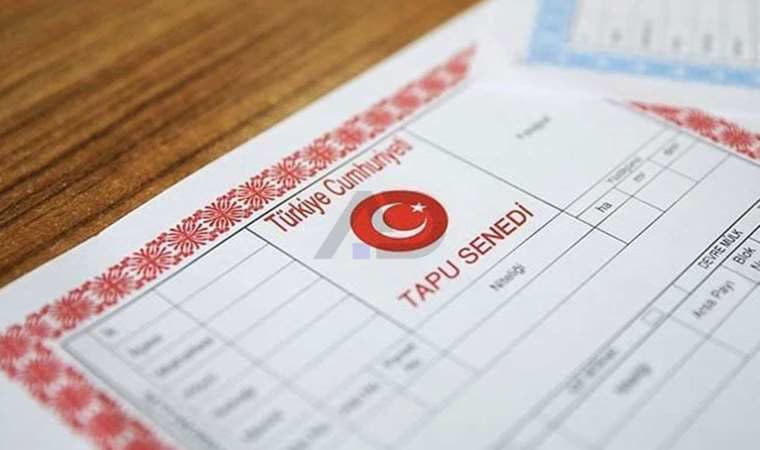
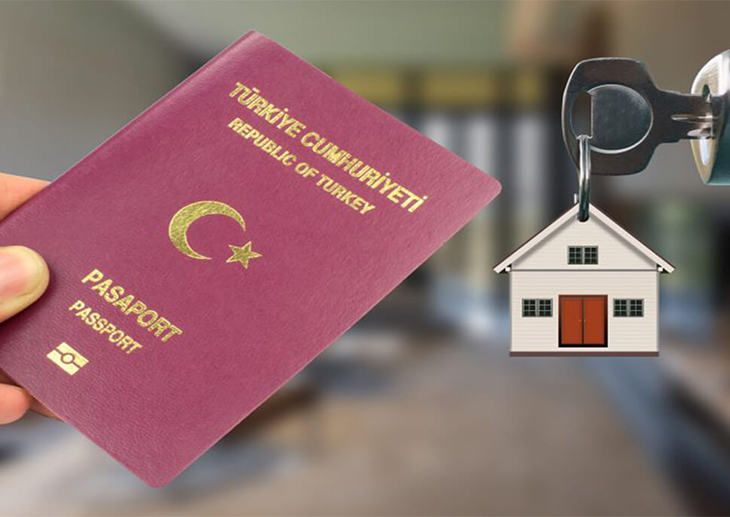
This is the route most Americans use because it is the quickest and does not require living in Turkey or speaking Turkish. It is governed by Article 12 of the Turkish Citizenship Law (No. 5901). The most popular option is buying real estate worth at least USD 400,000, confirmed by an official appraisal from an SPK-licensed valuation firm. A “no-sale” annotation is then registered on the title deed (tapu), locking the property for three years; after that, it can be sold freely and citizenship remains permanent.
Key features of the investment route: a spouse and children under 18 are included in the same file at no extra investment; there is no minimum-stay or language requirement; and processing is fast, typically three to six months for a clean, well-prepared application (self-managed files often run longer). Note that as of 2026 the main applicant and spouse must appear in Turkey in person to complete biometric verification and fingerprinting.
 2. 2. Citizenship by marriage
An American married to a Turkish citizen can apply after three years of marriage, provided the couple genuinely lives together as a family. The union is checked for authenticity, usually through interviews, and the foreign spouse typically holds a family residence permit during this period. Approval does not automatically change the citizenship status of the couple’s children, which may need separate processing.
3. Citizenship by naturalization (residence)
Americans who simply build a life in Turkey can naturalize after five years of continuous legal residence on a qualifying permit (work, family or long-term — tourist stays and visa-free days do not count, and student time counts only partially). Extended time abroad, generally beyond six months in total during the five years, can break the continuity and reset the clock. Beyond the residence period, applicants must show a genuine intent to settle, basic Turkish language ability, a stable income, good moral character with a clean criminal record, and no disease posing a public-health risk. This route is slower — overall timelines commonly run from several months up to two years.
4. Exceptional and descent-based citizenship
Turkey can grant citizenship by exception for people who make an extraordinary contribution (in science, culture, sport, business or similar) at the government’s discretion. Separately, a child with at least one Turkish parent is generally Turkish by descent regardless of where they were born — relevant for Americans with a Turkish parent.
Investment thresholds at a glance
|
Real estate purchase | USD 400,000 | 3 years (no-sale annotation on tapu) |
Bank deposit in a Turkish bank | USD 500,000 | 3 years |
Government bonds | USD 500,000 | 3 years |
Fixed capital investment | USD 500,000 | — |
SPK-approved investment fund shares | USD 500,000 | 3 years |
Job creation | Employ 50 Turkish citizens | — |
One common point of confusion: the property threshold for a residence permit (USD 200,000, in place since October 2023) is much lower than the USD 400,000 needed for citizenship. They are two different programs.
Documents you will need
Exact requirements vary by route, but a U.S. applicant should expect to prepare:
- - Valid U.S. passport and copies
- - Birth certificate
- - Criminal-record clearance from the United States (e.g. FBI or state-level), plus a Turkish record where applicable
- - Health report confirming no disease that threatens public health
- - Recent biometric photographs
- - Marriage certificate — for the marriage route
- - Copies of all residence permits held — for naturalization
- - Proof of investment — the conformity/eligibility certificate, title deed (tapu), SPK appraisal report and international bank-transfer records — for the investment route
Because the United States is part of the Hague Apostille Convention, foreign documents are certified with an apostille (not embassy legalization), then translated into Turkish by a sworn translator (yeminli tercüman) and notarized. Name spellings must match consistently across every document, a frequent source of delays.
 Where and how to apply
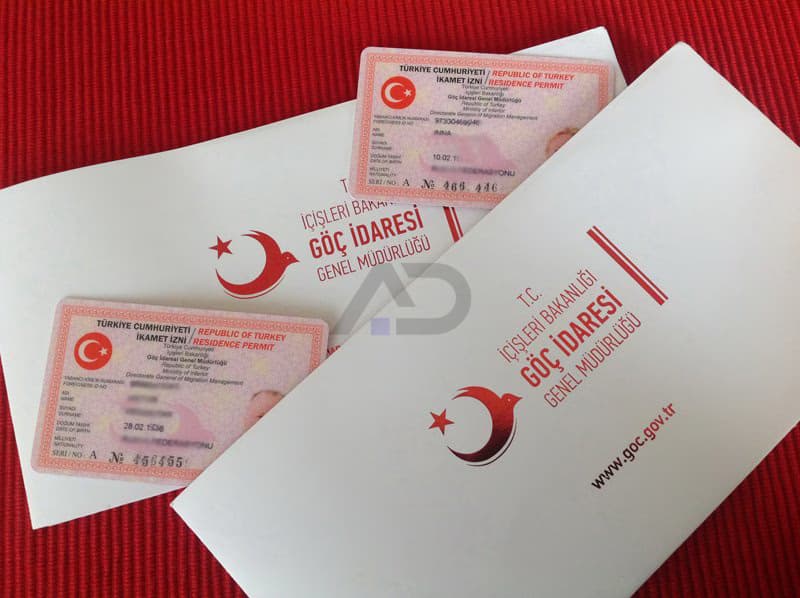
Citizenship applications are handled by the General Directorate of Population and Citizenship Affairs (Nüfus ve Vatandašlık İšleri) through the provincial civil-registration and nationality directorate where the applicant lives. Investment files begin with preliminary steps and a conformity certificate issued by the relevant ministry before the citizenship file is opened. Residence permits, which underpin the marriage and naturalization routes, are managed by the Presidency of Migration Management (Göç İdaresi) via the e-ikamet system. After the file is submitted, an archive and background investigation is carried out; a positive review is required before the decision stage.
Timeline and costs
The investment route is the fastest at roughly three to six months; marriage typically takes six months to a year after eligibility; naturalization is the longest. Beyond the qualifying investment itself, applicants should budget for appraisal, translation, notary, apostille and government fees, plus legal support — commonly tens of thousands of dollars on top of the investment for a family file. Property buyers should also expect transaction taxes and annual property tax.
What American applicants should keep in mind
- U.S. taxes follow you. The United States taxes its citizens on worldwide income regardless of where they live, and FATCA requires reporting of foreign accounts. Turkey taxes residents (183+ days per year) on worldwide income. A U.S.–Turkey double-taxation treaty exists, but professional tax advice is essential before committing funds.
- Do property due diligence. Ownership transfers only on registration at the land registry; preliminary contracts do not. Check for mortgages, liens and encumbrances, and confirm the property is actually eligible for citizenship. Foreigners cannot buy in military or security zones.
- Thresholds can change. The real-estate floor rose from USD 250,000 to USD 400,000 in 2022, and some analysts expect a further increase. Confirm current figures before applying.
- What you gain. Turkish citizens enjoy visa-free or visa-on-arrival access to well over 100 countries, the right to live, work, own property and vote in Turkey, access to public healthcare and education, and the ability to pass citizenship to their children.
Bottom line
For U.S. citizens, Turkey offers one of the more accessible paths to a second passport — fast if you invest, slower but cheaper if you settle or marry — all while keeping your American citizenship. This article is general information, not legal or tax advice, and rules and amounts can change. Before starting, verify the current requirements through official sources such as the Republic of Türkiye Investment Office and the Directorate of Population and Citizenship Affairs, and consult a licensed Turkish immigration lawyer for your specific situation.