Israel’s attack on the Abu al-Duhur Air Base in northern Syria was described by Thomas Barak, the US special envoy for Syria and Iraq, as a dangerous development that could draw Israel, Syria and Türkiye into direct military conflict.
Speaking to the Jerusalem Post, Barak described the attacks as “dangerous and concerning.” He said he was relieved that there had been no casualties and that the escalation had not gone further, warning that the absence of open communication channels between the parties could lead to far more serious consequences.
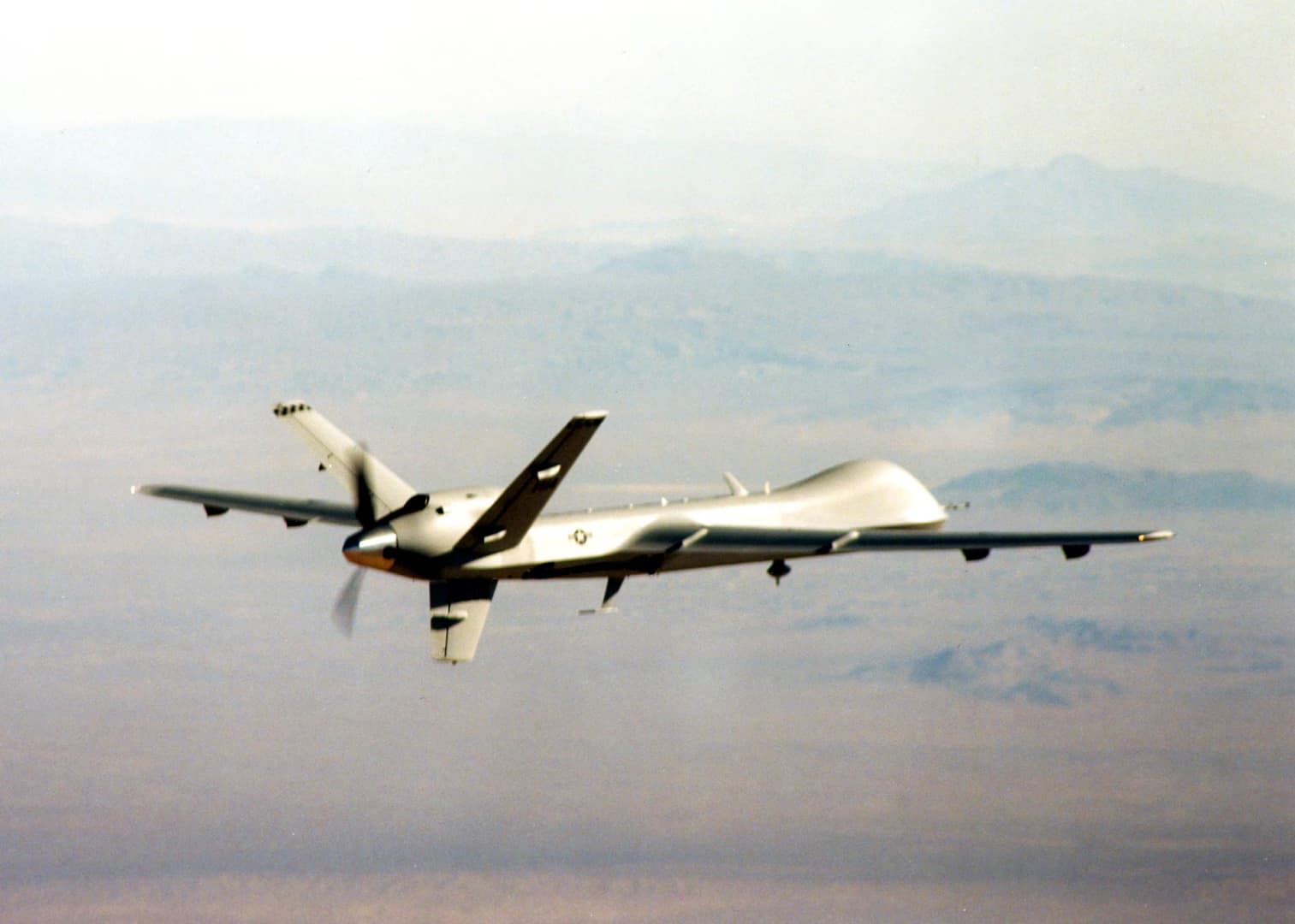
The office of Israeli Prime Minister Benjamin Netanyahu acknowledged in a statement issued Tuesday evening that eight airstrikes had been carried out against the Abu al-Duhur Air Base in Idlib province on Tuesday morning. The strikes caused material damage to the air base’s infrastructure.
Türkiye’s Directorate of Communications said the claims made by Netanyahu’s office against Türkiye sought to legitimize attacks targeting Syria’s sovereignty and territorial integrity.
De-escalation mechanism back on the agenda
Barak said there was a real risk of a rapid escalation toward direct military conflict between Israel, Türkiye and Syria. He said calm talks were being held with the parties to reactivate the de-escalation mechanism and that Türkiye could be involved in the process either directly or indirectly.
Barak said diplomatic dialogue was the best way to prevent armed conflict and that there was no fundamental obstacle to the parties keeping their communication channels open.
Barak said the US priority should be to help reduce tensions between Türkiye and Israel and prevent an unintended escalation that would be difficult to control. He called on all parties to act patiently in order to find a lasting solution to the complex situation.
Talks between Syria and Israel
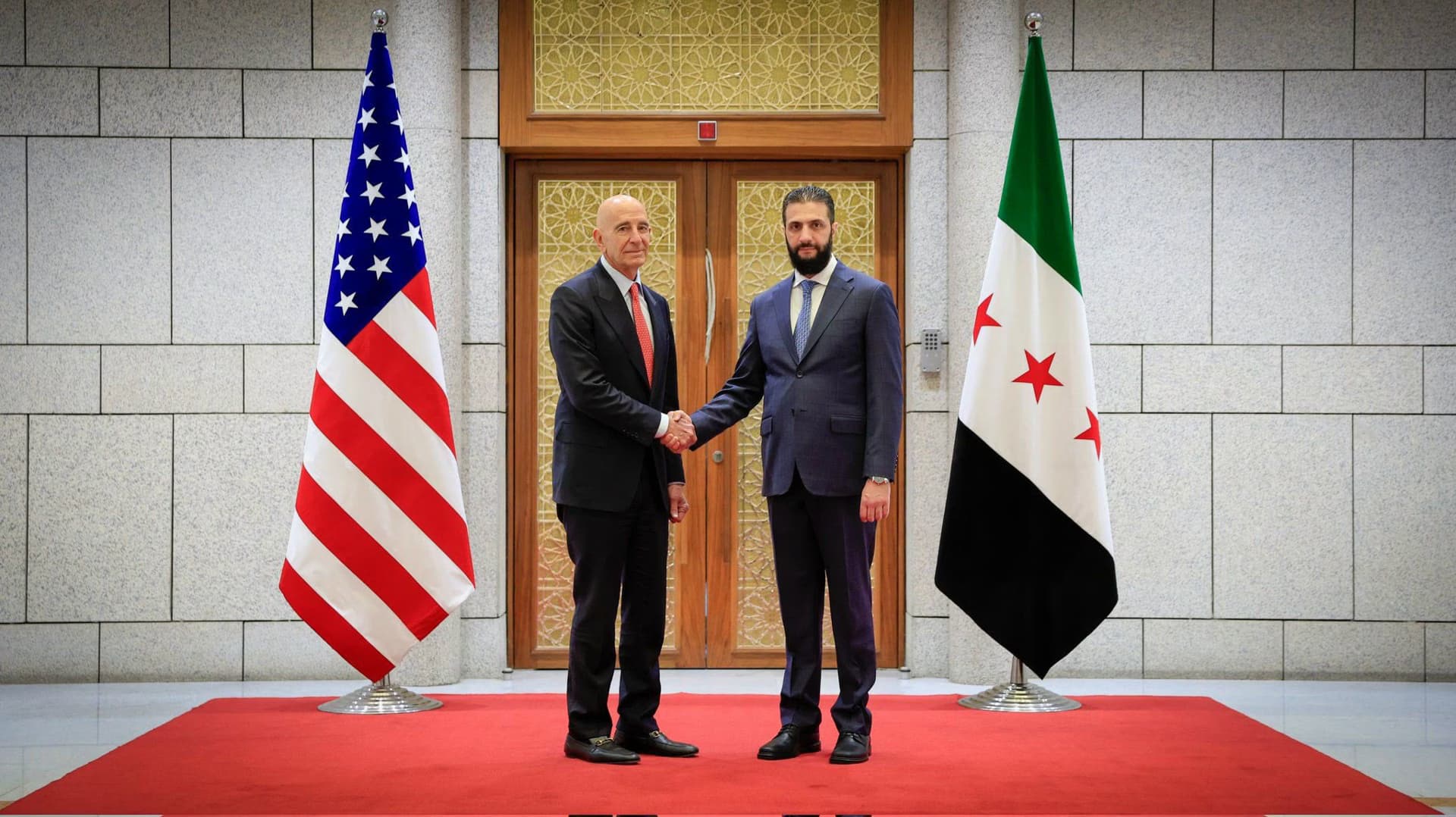
In recent years, Barak hosted several meetings between the government of Syrian President Ahmad al-Sharaa and senior Israeli officials. The talks sought to resolve the border dispute between the two countries, advance normalization and reduce tensions.
In the latest round of talks, the parties agreed to advance joint economic projects and establish a dispute-resolution mechanism based in Jordan.
Barak said concrete progress had been made in clarifying the parties’ concerns and that, following the latest developments, it had become important to resume the talks as soon as possible.
Barak said the Syrian government had declared that it had no aggressive intentions toward Israel and was only seeking to protect its sovereignty. He described Syria as a sovereign, responsible and stable neighbor.
Barak said carefully prepared de-escalation arrangements could strengthen regional calm and stability. He said civilian infrastructure did not pose a security threat to Israel, according to the US assessment, and that Syria should be able to maintain safe and reliable domestic flights with an effective civilian radar system.
Barak said they believed this technical requirement did not necessarily create security concerns and that further talks could help clarify the issue in a way that satisfied all parties.
Communication mechanism agreed at Paris talks
On January 6, 2026, Syria and Israel agreed at US-mediated talks in Paris to establish a joint communication mechanism for information-sharing and coordination aimed at reducing military tensions. The parties also decided to maintain diplomatic contacts and explore opportunities for commercial cooperation.