With traffic through the Strait of Hormuz and the conflict between the United States and Iran high on the agenda, China called on the parties to return to the negotiating table. Chinese Foreign Minister Wang Yi told Iranian Foreign Minister Abbas Araghchi, whom he met in Beijing, that Iran and the United States should return to the Islamabad Agreement.
Wang said that prolonging the conflict between the United States and Iran served neither side nor the common interests of the international community. Saying that China had urged the parties to exercise restraint, Wang called for the negotiating mechanism to be re-established on the basis of the understandings reached so far and for the parties' concerns to be addressed through substantive talks.
Call to resume negotiations on the Islamabad Agreement
Calling for a return to the Islamabad Agreement, signed in June through the mediation of Pakistan and Qatar, Wang said they supported dialogue between Iran and the Gulf countries. The Chinese minister said the territorial integrity and national security of the countries in the region must be mutually respected.
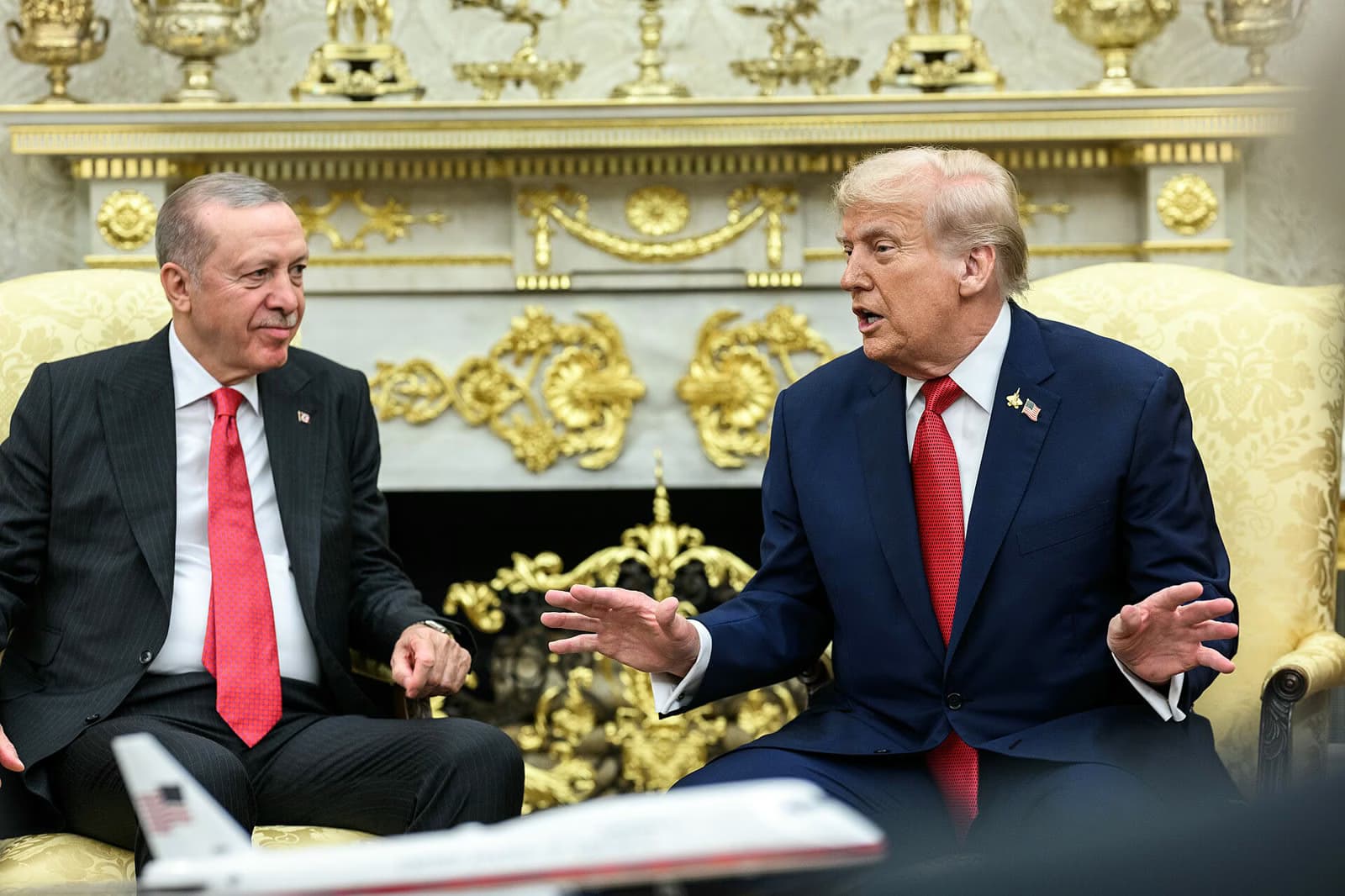
Wang stressed that the region's common interests should be protected through a constructive approach. His remarks came ahead of an expected meeting next week in Washington between Chinese President Xi Jinping and US President Donald Trump.
Warning over tensions in the Strait of Hormuz and the Red Sea
The Chinese minister called on all parties to take effective steps to reopen the Strait of Hormuz as soon as possible. He also called for safe and uninterrupted movement on international sea routes and for the stability of global energy transport and supply chains to be maintained.
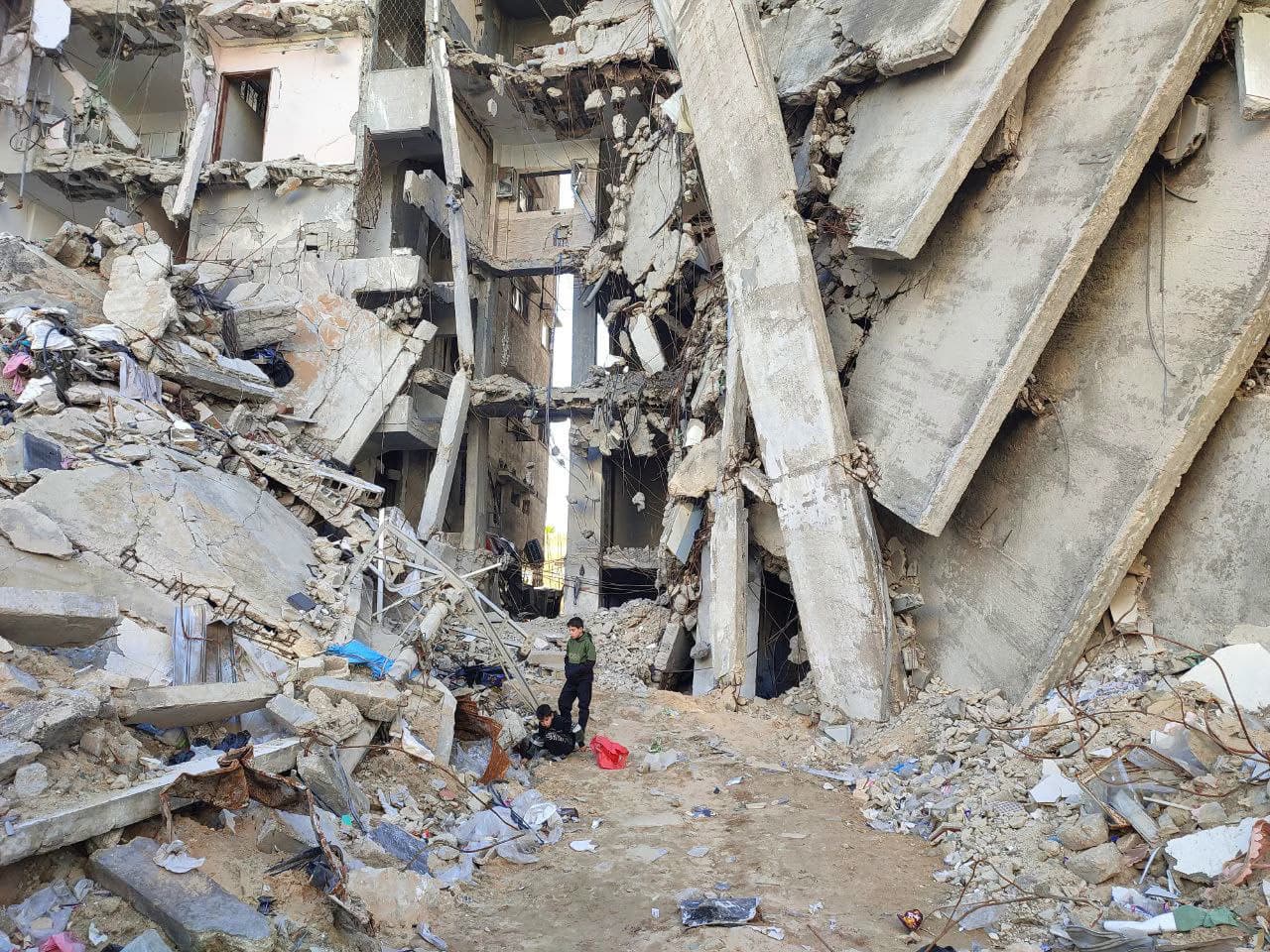
After the conflict began with US and Israeli attacks on Iran in February, Iran effectively closed traffic through the Strait of Hormuz, while the Pentagon has imposed a blockade on Iranian ports since April. The attacks targeted Iranian government buildings, military facilities, missile infrastructure and air-defense systems, while Iran retaliated with missile and drone attacks on Israel and US bases in the region.
Wang said that during the conflict, as diplomatic efforts continued, they did not want tensions to spread further to Yemen and the Red Sea. As airstrikes took place between Yemen's Houthis and Saudi Arabia, China called on all parties to refrain from steps that could complicate the situation and to resolve problems through dialogue.
China signals cooperation with Iran
Wang said that China, one of the permanent members of the United Nations Security Council, was ready to play a constructive role in resolving international disputes, and described China and Iran as comprehensive strategic partners. He said Beijing was ready to strengthen dialogue and cooperation with Iran and contribute to protecting Iran's legitimate rights and interests.
Wang had also hosted Araghchi in Beijing in May. The latest meeting between the two ministers was their second face-to-face meeting in the Chinese capital since the US and Israel launched attacks on Iran on February 28.
Economic ties and discounted energy imports are among the main elements of the comprehensive strategic partnership between China and Iran. The trade volume between the two countries exceeded $41 billion last year.