Pat Griffiths, a representative of the International Committee of the Red Cross who spent a week in Gaza City, said Palestinians had been unable to return to normal life despite more aid reaching the area after the ceasefire. Griffiths said thousands of people remained in tents and continued to face serious difficulties accessing basic necessities.
Griffiths described the entry of more trucks carrying food and commercial goods into Gaza after the ceasefire as a positive development, but said humanitarian needs remained enormous. Access to shelter, medical assistance, clean water, electricity and livelihoods remains inadequate in the area.
Daily life has not been restored in Gaza
Griffiths said a Palestinian journalist he met had read him a poem he had written about a bird spreading its wings and flying. Griffiths said the journalist wanted to be free, make choices and determine his own future, adding that many people in Gaza shared the same hopes and concerns about the future.
Griffiths said the ceasefire had not ended the suffering of the people and noted that children were unable to attend school while people with chronic illnesses could not access the health care they needed. Griffiths said families had lost their homes and livelihoods, adding that some families still did not know the fate of relatives who had been detained or killed.
Griffiths said the International Committee of the Red Cross was adapting its aid efforts to changing needs and that more action was needed to provide food, water, shelter and health care and to preserve family ties. Griffiths said Palestinians in Gaza had the right to access the conditions necessary for health, family life and a dignified existence, pointing to the principles of international humanitarian law in protecting that right.
A choice between tents and damaged buildings
Griffiths said thousands of people in Gaza were living in tents after being displaced or losing their homes, adding that most people had been displaced more than once over the past three years. Griffiths said large families had very little private space, or none at all, in the tents and that the structures were extremely hot in summer and cold and damp in winter.
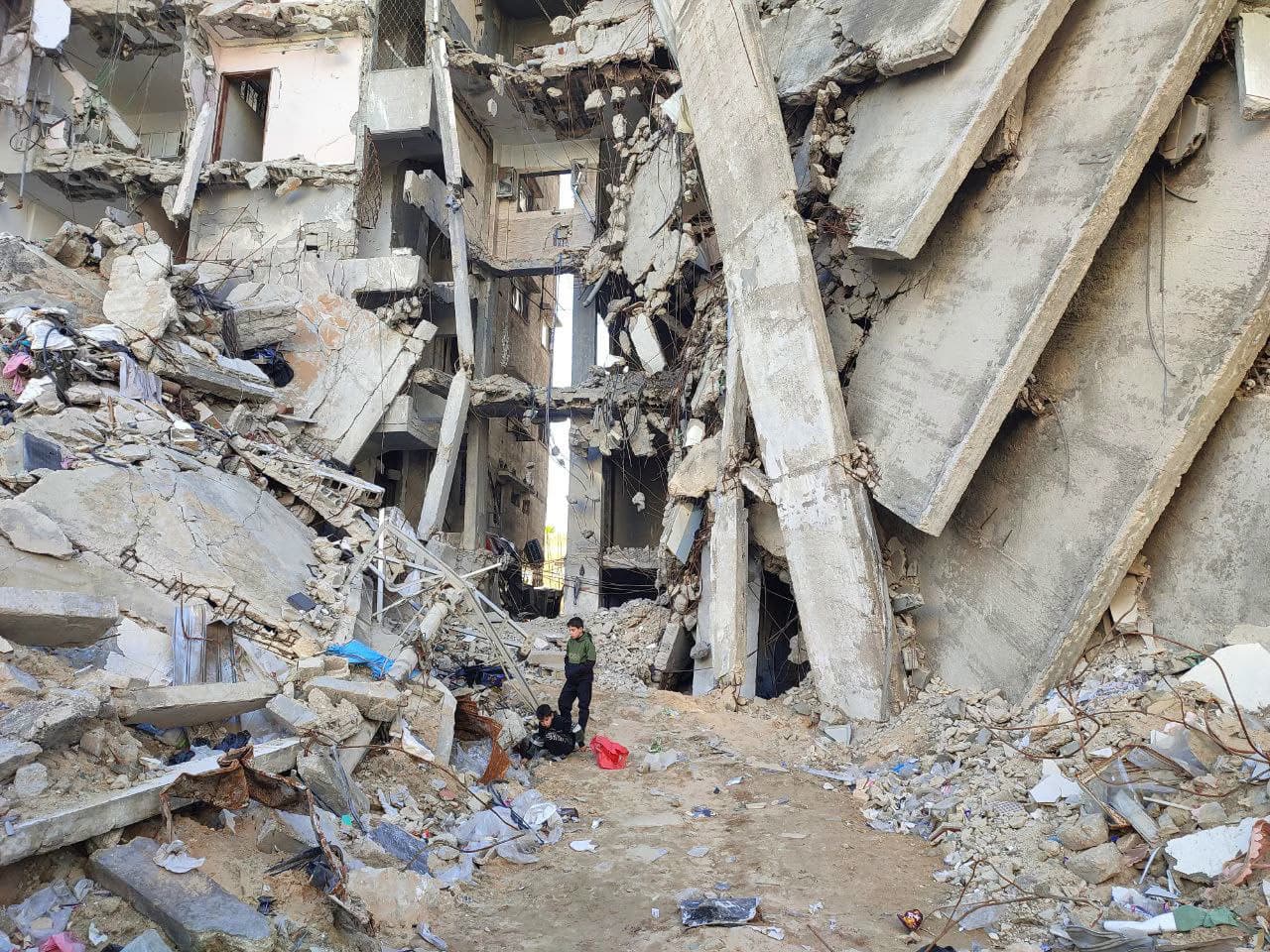
These conditions are forcing some families to return to buildings that were previously abandoned but may not be safe or structurally sound. Griffiths said a damaged building housing more than 100 people collapsed on the day he arrived in Gaza. He said local search-and-rescue teams pulled many people from the rubble and that many people, including children, were killed.
Griffiths said families were forced to choose between staying in tents with limited privacy despite severe weather conditions and seeking shelter in damaged structures at risk of collapse. He said the risk of these structures collapsing would increase as heavy rain and strong winds approached. Griffiths called for more heavy machinery to be brought into Gaza to clear rubble and provide long-term shelter solutions.
Access to aid and essential services continues to be difficult
Griffiths said one of the biggest challenges faced by Red Cross teams in Gaza was reaching people in need. He said security conditions meant teams could not always access certain areas or reach people in need, including those held in detention centers.
Griffiths said ensuring access to humanitarian aid was an obligation of the parties to the armed conflict and the occupying powers, adding that discussions with the relevant actors were continuing. He said progress was also needed to allow the entry of equipment required not only for food, medicine and basic necessities, but also for the safe removal of rubble, the search for human remains, and the repair of damaged water and sewage systems.
Hospitals and primary health care centers in Gaza are facing shortages of medicines and medical supplies, while residents are struggling to obtain more nutritious, higher-quality food. Shortages of fuel and motor oil are disrupting essential services that depend on generators. People who have lost their homes and livelihoods are also finding it increasingly difficult to access cash.
Palestinians want to return home and to normal life
Griffiths said Palestinians in Gaza wanted to go to school, meet their friends, work and live in their own homes with their families. He said that despite the war and destruction, people continued to help one another, their families, their communities and people they did not know. Griffiths added that solidarity and hospitality continued.
Griffiths said Palestinians’ desire to live with dignity was linked to the fundamental principles of international humanitarian law. He said the international community needed to assume responsibility for protecting civilians from the effects of the conflict and ensuring that they could access the essential services they needed.