- BIST10011,722-2.89%
- USD49.45+0.05%
- EUR55.62+0.37%
- GOLD4,181.10+0.26%
- INTEREST37.00%-1.00
- BITCOIN81,450-0.06%
- October 17, 202614°
- BIST10011,722-2.89%
- USD49.45+0.05%
- EUR55.62+0.37%
- GOLD4,181.10+0.26%
- INTEREST37.00%-1.00
- BITCOIN81,450-0.06%
- October 17, 202614°
Kagan and Soai win Nobel Prize in Chemistry for work on mirror-image molecules
French chemist Henri B. Kagan and his Japanese colleague Kenso Soai won the 2026 Nobel Prize in Chemistry for their work on obtaining just one of the mirror-image forms of molecules.
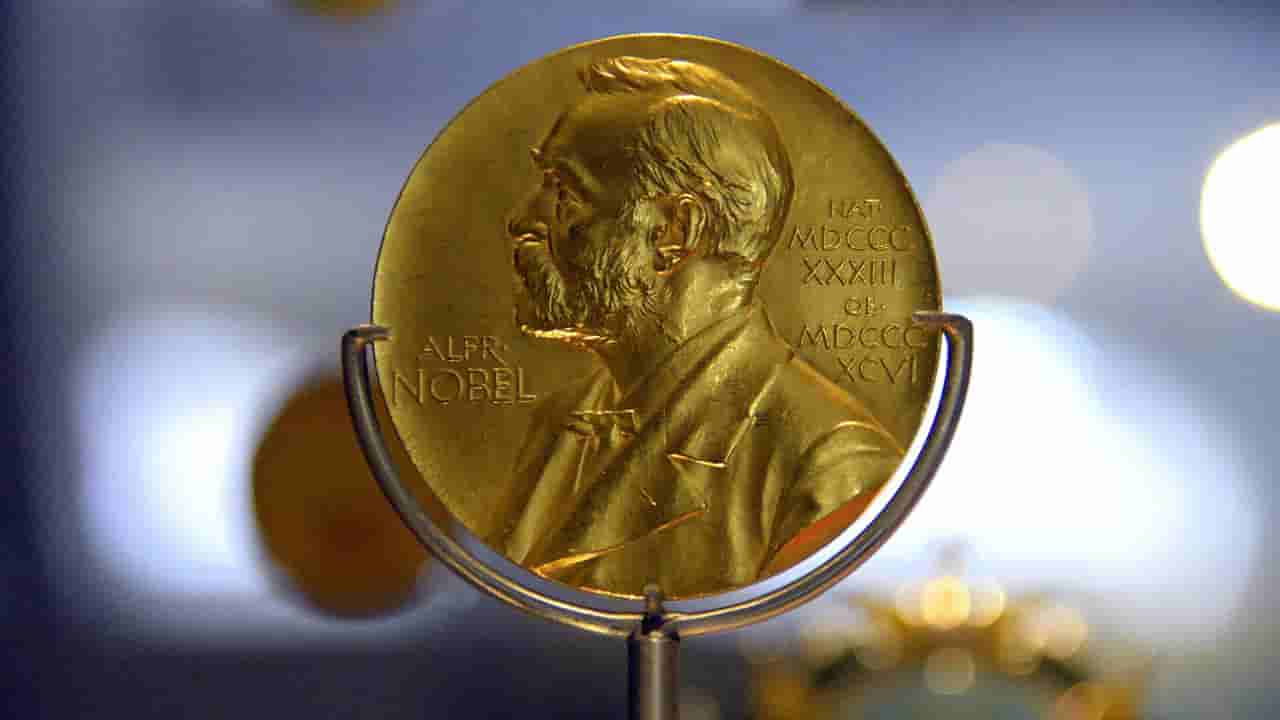
The Royal Swedish Academy of Sciences awarded the 2026 Nobel Prize in Chemistry to French chemist Henri B. Kagan and Japanese chemist Kenso Soai. The academy recognized the two scientists for their pioneering work on nonlinear effects and autocatalysis in asymmetric organic synthesis.
Left hand, right hand: chemistry's mirror-image problem
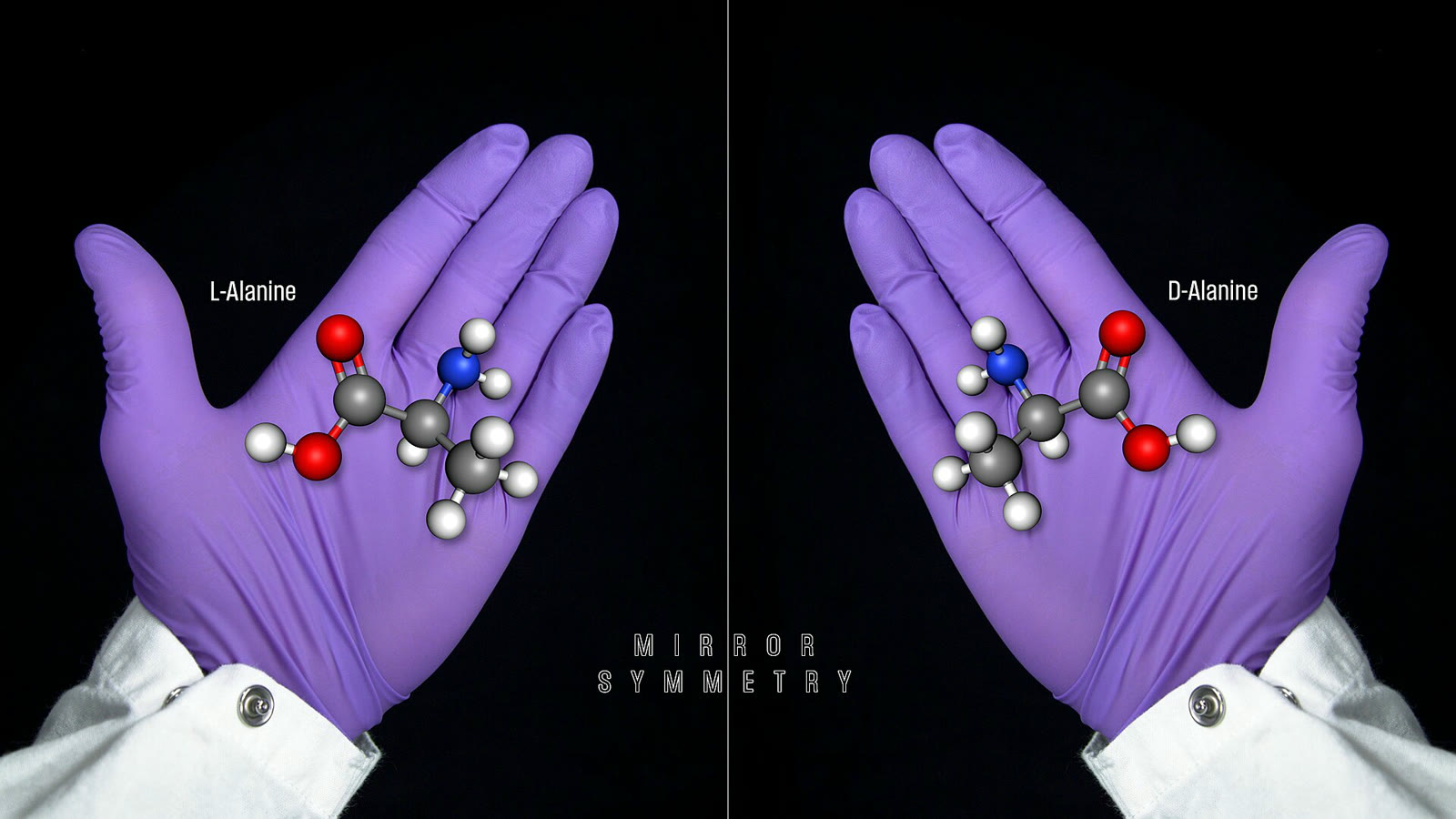
Many molecules, particularly amino acids, can exist in two forms that are mirror images of each other, much like a person's left and right hands. Although the two forms consist of the same atoms, they cannot be superimposed. In living organisms, only one of the two forms is present.
This is both a scientific puzzle and a practical issue for chemists. During production, which "hand" of a molecule is obtained can directly affect the properties of the resulting substance.
Two discoveries behind the prize
Kagan showed that his method for directing chemical reactions could produce one of the mirror-image pairs in a proportion far higher than expected. Soai designed the first reaction in which only a single mirror-image form was produced. The reaction, which bears his name, is described by the academy as one of the most striking chemistry experiments ever conducted.
According to the prize citation, the findings of the two scientists have made an important contribution to developing reactions used to produce medicines, as well as flavors, fragrances and new materials.
Two careers from Paris to Hiroshima
Born in France in 1930, Kagan studied at the Sorbonne and completed his doctorate at the Collège de France in 1960. He is known for his work in organic and organometallic chemistry and asymmetric catalysis. Soai was born in Hiroshima in 1950, graduated from the University of Tokyo and received his doctorate in 1979.
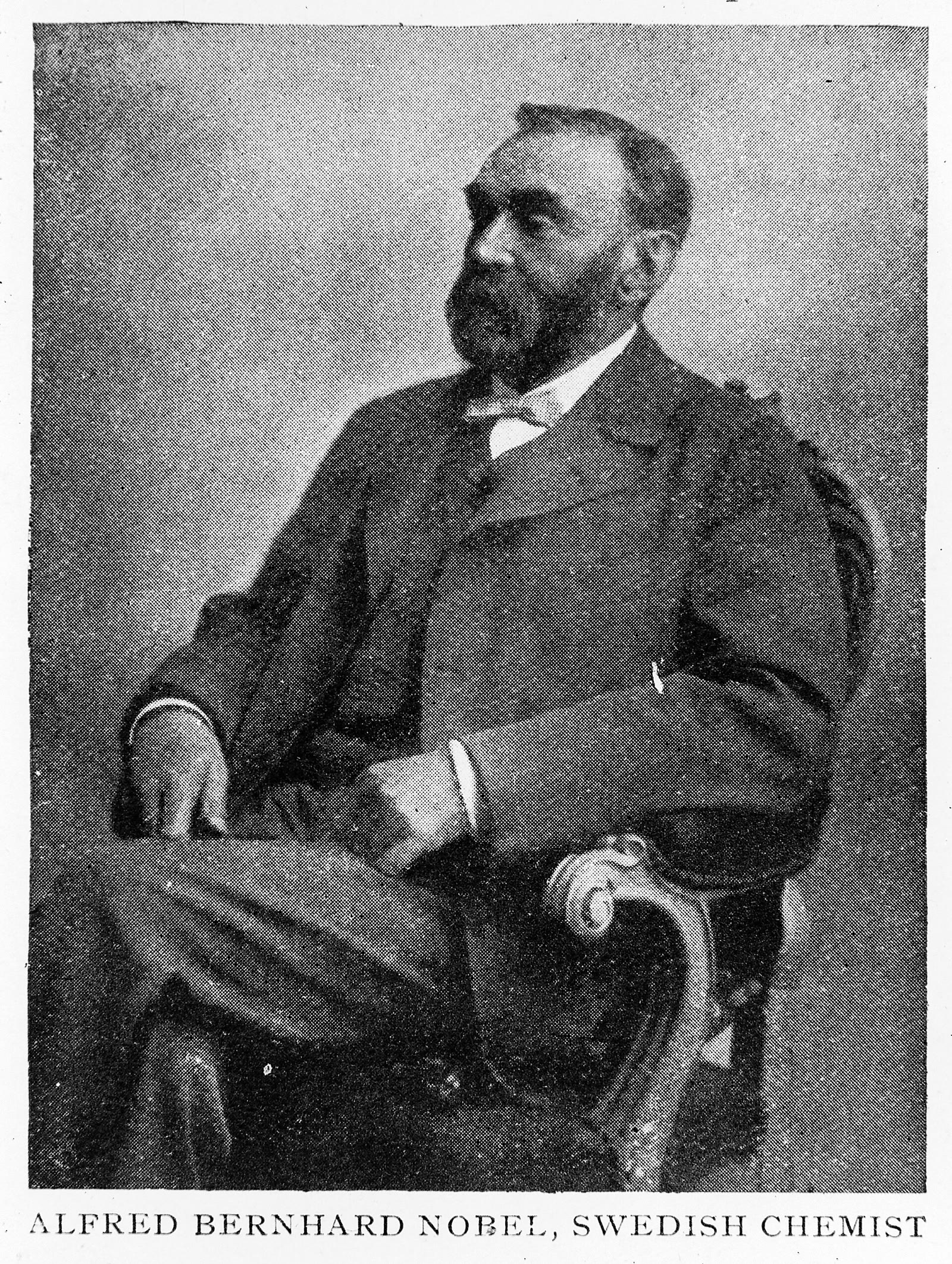
The award will be presented to the laureates at a ceremony in Stockholm on Dec. 10, the anniversary of Alfred Nobel's death.
Stay Updated with Ally Daily
Subscribe to be informed about special news, developments and announcements. We will keep you informed.
By signing up, you agree to our Privacy Policy