A memorandum of understanding ending the possibility of war between Iran and the United States was signed as a result of Qatar's intensive diplomatic efforts. The process gained momentum after Qatar stepped in, following stalled mediation attempts initially launched by Pakistan.
Qatar's decisive intervention
US officials described Qatar as the 'decisive mediator' that brought the two sides together at the most critical and complex moment. On the eve of the announcement of the memorandum, the Qatari delegation conducted 17 hours of uninterrupted negotiations in Tehran to finalize the text.
US Vice President JD Vance praised Qatar's mediation role during a press conference held as part of the Tehran-Washington talks. Vance said Qatari Prime Minister Sheikh Mohammed bin Abdulrahman Al Thani played a 'critical' role in reaching this point.
A strategic diplomatic move
Qatar's intervention in the crisis was not random but occurred with a strategic approach. In the initial phase, Qatar chose to remain neutral as its territory was exposed to Iranian attacks and did not want to be a mediator under pressure.
However, a significant turning point occurred in mid-May. US President Donald Trump announced he was abandoning the military strike option in response to initiatives carried out by the Qatari Emir in cooperation with regional leaders. This decision paved the way for Qatari diplomacy to operate in a more secure space.
Intense contacts and summit visits
Qatar's role gained further importance with two visits to Washington by Prime Minister and Foreign Minister Sheikh Mohammed bin Abdulrahman Al Thani between March and May. These visits addressed the effects of the war in the region and ways to reach an agreement with Iran.
In late May, a high-level Iranian delegation, including the Parliament Speaker, chief negotiator, Foreign Minister, and Central Bank Governor, arrived in Doha. The delegation discussed various issues with Washington, including confidence-building measures.
Pakistan's failed attempt and Qatar's ultimate success
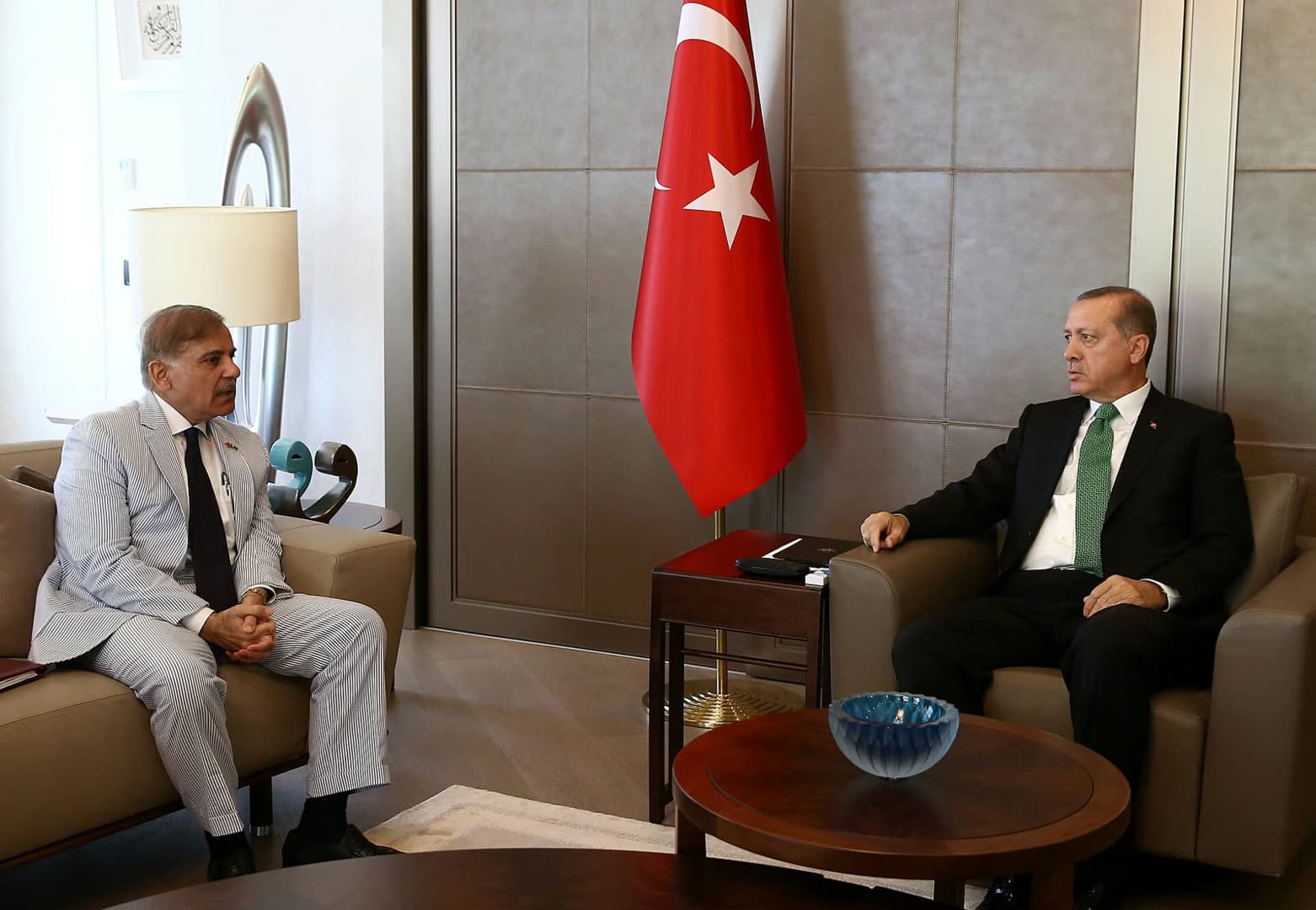
Prior to Qatar's mediation, the highest-level direct talks between Washington and Tehran since 1979 were held under Pakistan's auspices. However, these negotiations, held in Islamabad on April 11-12 and lasting over 20 hours, did not result in an agreement.
In the final stage, between June 10-14, the Qatari delegation in Tehran took on the task of shaping the details of the agreement. Intensive negotiations focused on the main files blocking the final memorandum, such as frozen Iranian funds, regional security arrangements, and the future of navigation in the Strait of Hormuz. Thanks to this diplomatic weight, sharp disagreements were transformed into a memorandum of understanding that ended one of the most dangerous escalation episodes in the region.