The framework agreement signed in Washington on June 26 provides for the gradual withdrawal of Israeli forces from Lebanese territory and the deployment of the Lebanese army in the areas vacated. The agreement was signed between Beirut and Tel Aviv with U.S. support.
Speaking during a parliamentary session on government policy, Lebanon's Prime Minister Nawaf Salam said the country's need for reconstruction and recovery had followed devastation beyond the state's resources.
Salam said public resources alone would not be sufficient and called for support from Arab states, the international community and substantial foreign financing.
Salam links financing to reform and trust
Salam said access to foreign financing depended on restoring trust and implementing reforms, adding that financing was necessary for sustainable reconstruction. In the prime minister's view, trust must underpin financing, while a capable state must underpin trust.
Salam also said reforms were necessary to establish such a state.
War costs cited by Salam exceed $18 billion
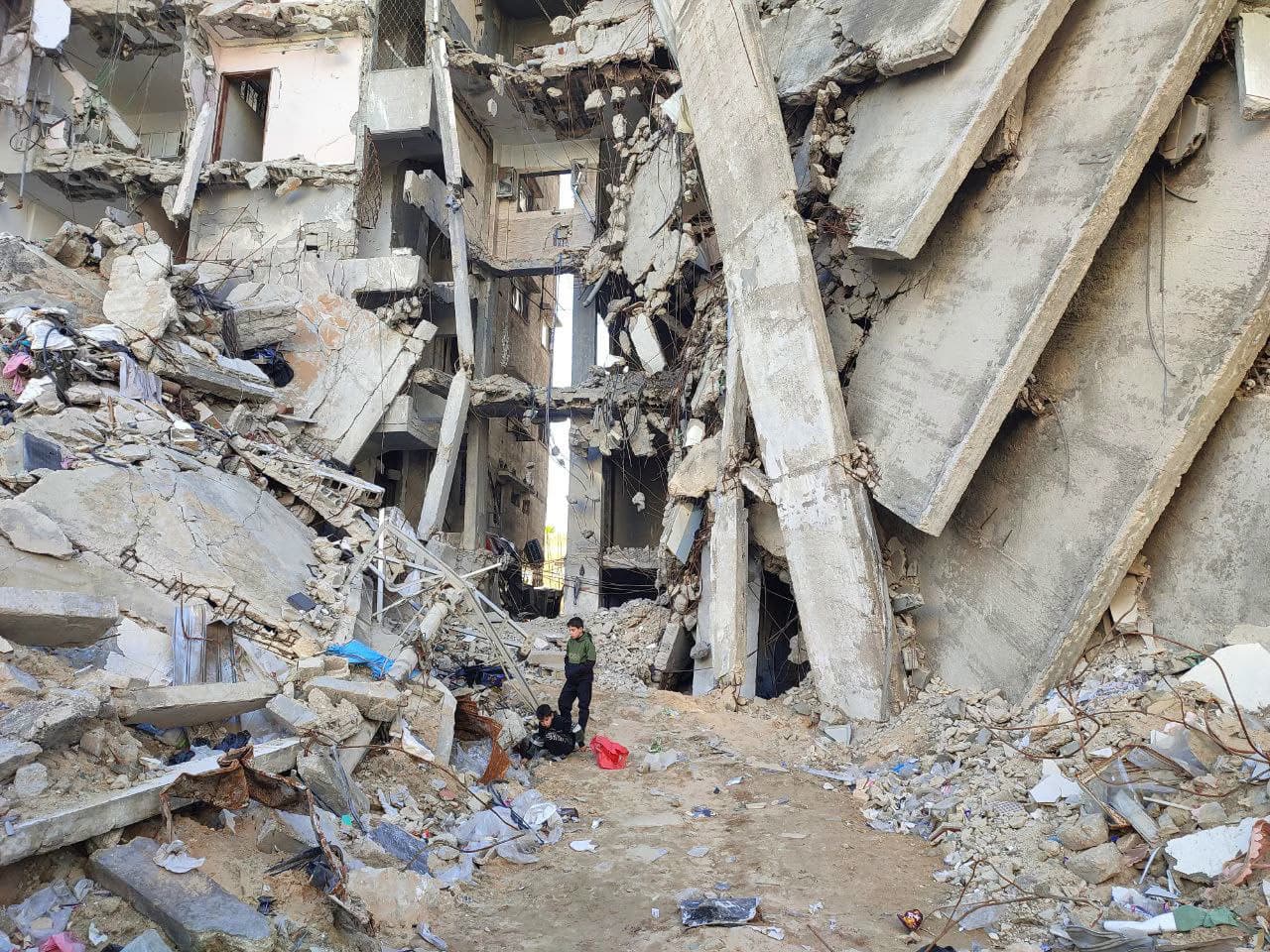
Salam said the World Bank had calculated the total cost of the first war, which began on October 8, 2023, at about $14 billion. About $7.2 billion of that amount consisted of physical damage, while $6.8 billion represented economic losses caused by disruptions to activity and declines in production and income.
The prime minister said the direct cost of the latest Israeli offensive, which began last March, had so far been estimated at between $3 billion and $4 billion. He added that the broader economic cost beyond direct physical destruction was estimated at between $4 billion and $5 billion in initial assessments.
Lebanon did not choose the war
Referring to Israel's attacks on Lebanon, Salam said his country had not chosen the war that engulfed Lebanon last March. He said the war had been imposed on Lebanon before the wounds inflicted by the 2023-2024 conflicts had healed.
Lebanon has faced two severe offensives since October 2023. The period brought extensive damage to infrastructure and housing, while the country's economic losses also increased.
Salam said that, despite the agreement signed in Washington, attacks on southern Lebanon were continuing and Israeli forces were maintaining their presence in parts of the area.